Attending a celebration of life can be emotionally complex. Unlike a traditional funeral, which often has strict rules and somber tones, a celebration of life is designed to honor and remember the deceased in a more personal, uplifting way. Because of this unique tone, what you wear can be confusing for many attendees. You want to show respect while also fitting the event’s celebratory atmosphere. This guide will help you navigate dress codes, offer outfit suggestions, and provide tips for appropriate attire.
Understanding a Celebration of Life
A celebration of life is a gathering intended to celebrate the life and achievements of someone who has passed away. These events often feature:
-
Personal stories and memories
-
Music and entertainment the deceased loved
-
Photo displays or video tributes
-
A more relaxed, sometimes even festive atmosphere
Because celebrations of life are typically less formal than traditional funerals, the attire can vary widely depending on the host’s wishes, location, and cultural norms.
The Key Principles of Dressing for a Celebration of Life

When deciding what to wear, keep the following principles in mind:
1. Respect
Even if the event is informal, your attire should show respect for the deceased and their family. Avoid overly casual or revealing clothing.
2. Tone Appropriateness
Consider the event’s tone and setting. A backyard gathering will have different expectations than a banquet hall celebration.
3. Comfort
Celebrations of life can last several hours and may involve standing, walking, or sitting outdoors. Choose clothing that is comfortable and functional.
4. Subtlety
Even in a cheerful celebration, it’s best to avoid flashy or attention-grabbing outfits. Focus on honoring the individual rather than standing out.
Typical Attire Guidelines

Although there is no universal rule, here are general attire guidelines based on formality level:
1. Casual Celebrations
-
Women: Dresses, skirts, or dressy pants with blouses. Avoid jeans, shorts, or casual t-shirts unless explicitly stated by the host.
-
Men: Dress pants or chinos with a collared shirt or polo. A casual blazer can be added but is optional.
-
Shoes: Closed-toe shoes, flats, or clean casual shoes are recommended.
2. Semi-Formal Celebrations
-
Women: Knee-length dresses, midi skirts, tailored pantsuits, or elegant blouses with slacks. Subtle patterns or muted colors work best.
-
Men: Dress pants with a button-down shirt, optional tie, and blazer. Darker or neutral colors are preferred.
-
Shoes: Dress shoes or modest heels.
3. Formal Celebrations
-
Women: Long dresses, elegant skirts with tops, or formal pantsuits. Keep colors subdued unless the invitation specifies a theme.
-
Men: Full suit and tie or dress slacks with a formal shirt and jacket.
-
Shoes: Dress shoes or closed-toe heels.
Color Considerations
Colors play a significant role in setting the tone and showing respect:
Neutral and Muted Colors
-
Black, navy, gray, beige, or cream are always safe choices.
-
Pastels may work well for a light, celebratory tone.
Bright or Bold Colors
-
Acceptable if the deceased or family requested a cheerful, colorful theme.
-
Avoid neon or overly flashy patterns unless explicitly invited to celebrate in that style.
Patterns
-
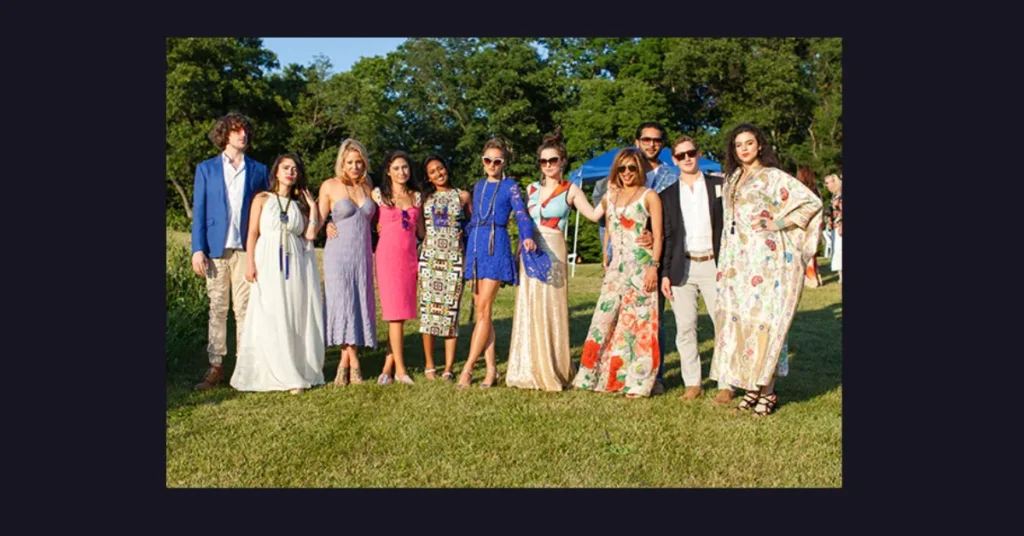
Subtle patterns like florals, stripes, or polka dots are generally fine.
-
Avoid overly loud, busy prints that can distract from the event’s purpose.
Accessories and Styling
Accessories can enhance your outfit while keeping it appropriate and respectful:
-
Jewelry: Keep it minimal and tasteful. Avoid excessive sparkle or large statement pieces.
-
Bags: Small to medium-sized handbags or clutches are ideal.
-
Scarves or shawls: Can add a layer of elegance, especially for outdoor or cooler events.
-
Hats: Consider cultural norms. Avoid wearing large or attention-grabbing hats unless traditional.
Footwear Tips
The type of footwear depends on the venue:
-
Indoor events: Closed-toe shoes, loafers, flats, or modest heels.
-
Outdoor events: Comfortable shoes like wedges, low heels, or dressy flats. Avoid stilettos in grass or sand.
Comfort is crucial, especially if there will be standing or walking during the event. Explore related etiquette attire in What to Wear to a Wake and cultural customs explained in What Language Do the Amish Speak.
Seasonal Considerations
Dress should also align with the season and weather:
-
Spring/Summer: Lightweight fabrics like cotton, chiffon, or linen. Light layers for outdoor comfort.
-
Fall/Winter: Wool, cashmere, or heavier fabrics. Layer with blazers, cardigans, or wraps.
-
Outdoor venues: Bring a jacket or sweater, especially for early mornings or evenings.
Cultural and Religious Considerations
Be aware of cultural or religious norms that may influence attire:
-
Some cultures prefer all-black clothing as a sign of mourning.
-
Others may encourage bright, celebratory colors to honor life.
-
If unsure, ask the family or event host for guidance.
Respecting these traditions shows thoughtfulness and consideration.
What Not to Wear
Certain clothing choices should generally be avoided:
-
Casual or sloppy attire: Jeans, t-shirts, ripped clothing, or sneakers (unless specified).
-
Overly revealing outfits: Short skirts, low-cut tops, or sheer fabrics.
-
Flashy or attention-seeking colors: Neon or glittery clothing may detract from the event’s tone.
-
Offensive graphics or slogans: Clothing with controversial messages is inappropriate.
Dressing for Children and Teens
Children should also be dressed appropriately but comfortably:
-
Boys: Dress pants with collared shirts or simple sweaters.
-
Girls: Dresses, skirts, or dressy pantsuits. Avoid overly casual or playful outfits unless the event is informal.
Encourage kids to wear comfortable shoes suitable for walking or standing.
Examples of Appropriate Outfits
Here are some sample outfit ideas based on formality:
Casual Celebration
-
Women: A knee-length floral dress with flats
-
Men: Chinos with a button-down shirt and loafers
Semi-Formal Celebration
-
Women: Midi dress or tailored pants with a blouse and a cardigan
-
Men: Dress slacks, collared shirt, optional tie, and blazer
Formal Celebration
-
Women: Elegant long dress or a pantsuit in neutral tones
-
Men: Full suit with a tie and dress shoes
Adding a subtle accessory like a bracelet, watch, or scarf can enhance your look without being flashy.
Tips for Feeling Confident and Comfortable
-
Ask the host or family: If unsure about the dress code, it’s perfectly acceptable to ask.
-
Err on the side of modesty: When in doubt, choose more conservative attire.
-
Plan ahead: Check the venue, weather, and expected activities to choose functional clothing.
-
Layer if needed: Outdoor celebrations may require jackets, shawls, or wraps.
-
Comfortable footwear: Prioritize shoes that are both stylish and practical.
The Importance of Respectful Attire
Dressing appropriately for a celebration of life honors both the deceased and the family. Your attire communicates thoughtfulness and empathy. Even in a casual or festive environment, respectful clothing helps maintain a balance between celebration and solemnity.
Remember, the focus of the event is celebrating the life and memory of the individual, not showcasing your wardrobe.
Final Thoughts
Choosing what to wear to a celebration of life can be confusing, but the principles are simple: respect, tone-appropriateness, comfort, and subtlety. By following these guidelines, you can honor the deceased while feeling confident and comfortable at the event.
From casual backyard gatherings to formal banquets, dressing thoughtfully demonstrates your empathy and support for the family. Keep your focus on celebrating the life of your loved one while making choices that respect both the event’s tone and the wishes of those closest to the deceased.
By understanding these guidelines and considering venue, season, and cultural norms, you can navigate attire decisions with confidence, ensuring your presence is both respectful and appropriate.