
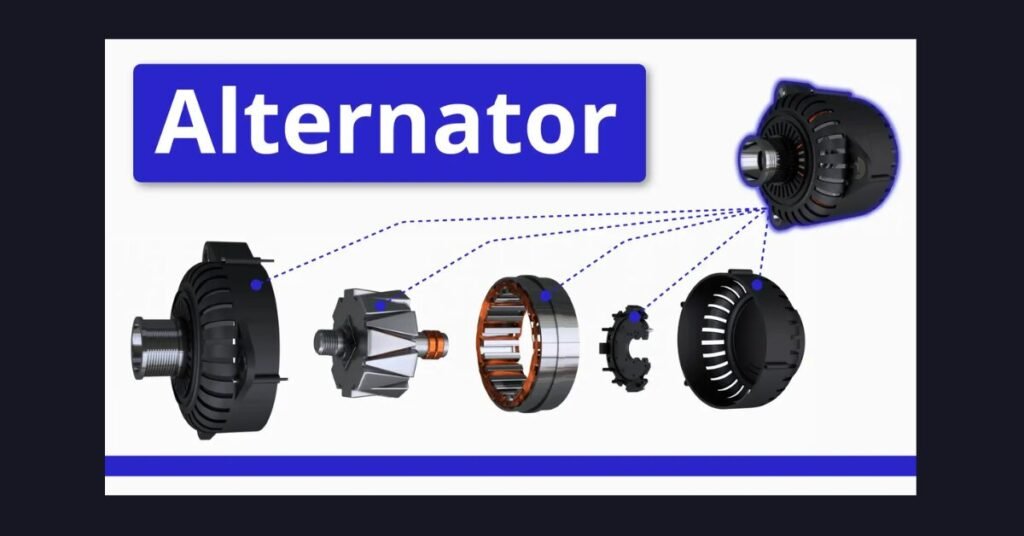
The alternator is one of the most crucial components of a modern vehicle, yet many drivers don’t fully understand what it does. It’s easy to overlook because it quietly works behind the scenes while your car runs. But without a functioning alternator, your vehicle’s electrical system and battery would fail, leaving you stranded. In this comprehensive guide, we’ll explain what an alternator does, how it works, common symptoms of failure, and tips for maintenance.
What Is an Alternator?
An alternator is a type of electric generator that converts mechanical energy from the engine into electrical energy. It’s responsible for supplying power to your car’s electrical systems and keeping the battery charged while the engine is running. Essentially, it acts as the heartbeat of the car’s electrical system.
Primary Functions of an Alternator
1. Charging the Battery
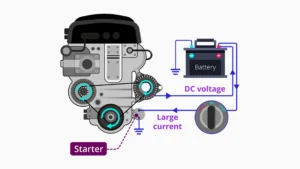
The alternator’s main role is to recharge the battery once the engine has started. The car’s battery provides the initial electricity needed to start the engine via the starter motor. Once the engine is running, the alternator takes over:
-
Maintains battery charge for consistent performance.
-
Ensures there’s enough power for starting the car the next time.
Without a working alternator, the battery would drain quickly, and your vehicle would eventually fail to start.
2. Powering Electrical Components
While driving, the alternator powers all of your car’s electrical components, including:
-
Headlights and interior lights
-
Fuel injectors and spark plugs
-
Radio, infotainment system, and dashboard displays
-
Power windows, seats, and other accessories
This means the alternator isn’t just charging the battery—it’s actively supplying electricity to keep the car running smoothly.
How Does an Alternator Work?
1. Mechanical to Electrical Energy Conversion
The alternator is mechanically linked to the engine via a drive belt connected to the crankshaft. As the engine runs, it spins the alternator’s rotor, which generates electricity through electromagnetic induction.
2. Voltage Regulation
A crucial component called the voltage regulator ensures that the alternator produces a consistent voltage output, usually between 13.5 to 14.5 volts. This prevents overcharging the battery while supplying stable power to all electrical systems.
3. AC to DC Conversion
Alternators produce alternating current (AC), but car batteries require direct current (DC). The alternator contains diodes that convert AC to DC, making the electricity usable for your car’s systems.
Symptoms of a Bad Alternator
Recognizing alternator problems early can prevent getting stranded or damaging your battery. Common signs include:
1. Battery Issues
-
Difficulty starting the car
-
Car dies while driving due to drained battery
-
Battery warning light illuminated on the dashboard
2. Electrical Problems
-
Dimming headlights or interior lights
-
Malfunctioning radio or infotainment system
-
Slower operation of power windows and other electrically powered features
3. Strange Noises or Smells
-
Whining or grinding noises from the alternator belt
-
Burning rubber or electrical smells
Testing an Alternator
1. Multimeter Test
-
Use a multimeter set to DC voltage.
-
Check the battery voltage with the engine off (should be ~12.6 volts).
-
Start the engine and check again; a good alternator should read 13.5–14.5 volts.
2. Load Test
-
Turn on all electrical components (headlights, AC, radio).
-
Voltage should remain above 13 volts; anything lower may indicate a weak alternator.
Driving with a Bad Alternator
While it’s possible to drive on the battery alone for a short distance, it’s not recommended. Key tips if you must:
-
Minimize electrical load: Turn off non-essential components like AC, radio, and lights.
-
Drive short distances: Batteries can only supply temporary power.
-
Monitor warning lights: If the battery light comes on, it’s time to stop and address the issue.
Safety Precautions
-
Never disconnect the battery while the engine is running. Doing so can damage the alternator’s diodes and other electronics.
-
Avoid DIY repairs if you’re not experienced; alternators involve high currents that can cause shocks or further damage.
Causes of Alternator Failure
Several factors can lead to alternator problems, including:
-
Worn-out bearings or brushes inside the alternator
-
Damaged or loose drive belt
-
Corroded electrical connections
-
Overheating due to poor ventilation
-
Excessive electrical load from aftermarket accessories
Regular maintenance and inspection can prevent most alternator failures.
Alternator in Modern and Hybrid Vehicles

While traditional alternators are common in gasoline cars, hybrids and electric vehicles use different systems:
-
Regenerative braking: Converts kinetic energy into electrical energy to charge the battery.
-
Auxiliary alternators: Some hybrid systems use smaller alternators for specific electrical needs.
Despite differences, the principle remains the same: converting mechanical energy into usable electrical energy.
Alternator Maintenance Tips

-
Check Drive Belts: Ensure belts are tight and free from cracks.
-
Inspect Electrical Connections: Keep terminals clean and corrosion-free.
-
Monitor Battery Health: A failing battery can strain the alternator.
-
Listen for Unusual Noises: Early detection of bearing or belt issues prevents major failure.
-
Professional Inspection: Have your alternator checked during routine vehicle maintenance.
Alternator Replacement: Cost and Considerations
-
Cost: Alternator replacement can range from $300 to $700, depending on make and model.
-
Labor: Most vehicles require 1–3 hours of labor.
-
OEM vs Aftermarket: Original Equipment Manufacturer (OEM) alternators ensure compatibility and reliability, while aftermarket options may be cheaper but vary in quality.
Replacing a failing alternator promptly avoids battery damage and unexpected vehicle breakdowns.
Fun Facts About Alternators
-
Alternators are more efficient than older generators, producing more power while using less engine energy.
-
The average alternator can consume 400 watts to 2 kilowatts of engine power depending on load.
-
High-performance vehicles may use dual alternators to handle additional electrical demands.
Summary
The alternator is the unsung hero of your car’s electrical system. Its main roles include:
-
Charging the battery
-
Supplying electricity to all electrical components
-
Converting mechanical energy into usable electrical energy
-
Maintaining a stable voltage output
Recognizing signs of alternator failure such as dim lights, slow power windows, or dashboard warnings can prevent inconvenient breakdowns. Regular maintenance, timely replacement, and understanding how it works will keep your car running efficiently and reliably.
Whether you’re a new driver or a car enthusiast, knowing what an alternator does and how it functions ensures that you can take better care of your vehicle and avoid common electrical problems.