
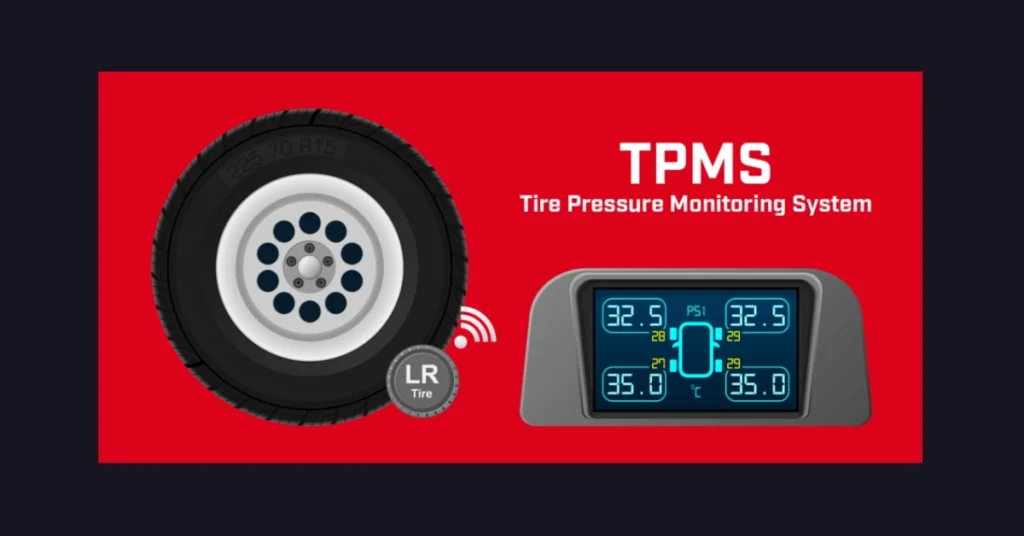
Modern vehicles are packed with technology designed to make driving safer and more efficient. One such feature that often confuses drivers is TPMS, a critical system for tire health and road safety. If you’ve ever seen the TPMS light on your dashboard and wondered, “What does TPMS mean on a car?”, this guide will explain everything you need to know—from its meaning and function to common warning signs, troubleshooting, and maintenance tips.
What Does TPMS Mean on a Car?
TPMS stands for Tire Pressure Monitoring System.
This system is designed to monitor the air pressure in your tires and alert you if one or more tires are underinflated. Maintaining the correct tire pressure is crucial for:
-
Vehicle safety
-
Optimal fuel efficiency
-
Tire longevity
-
Handling and braking performance
The TPMS dashboard warning light acts as an early alert to prevent accidents and tire damage.
How TPMS Works
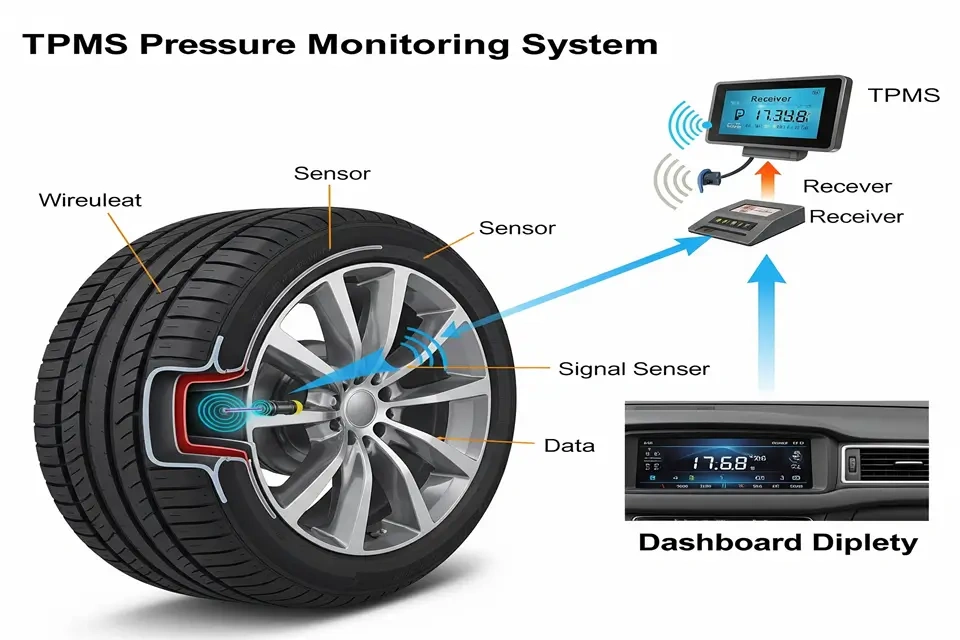
There are two main types of TPMS systems:
Direct TPMS
-
Uses sensors installed inside each tire (usually on the valve stem).
-
Measures tire pressure in real time.
-
Sends data to the vehicle’s onboard computer.
-
Triggers the dashboard warning light if tire pressure drops below the manufacturer’s recommended level.
Indirect TPMS
-
Does not use sensors inside tires.
-
Relies on the anti-lock braking system (ABS) and wheel speed sensors to detect changes in tire rotation.
-
Underinflated tires rotate faster, prompting a TPMS alert.
Most modern vehicles, including Honda, Toyota, Ford, and BMW, use one of these systems.
What Does TPMS on a Car Dashboard Mean?
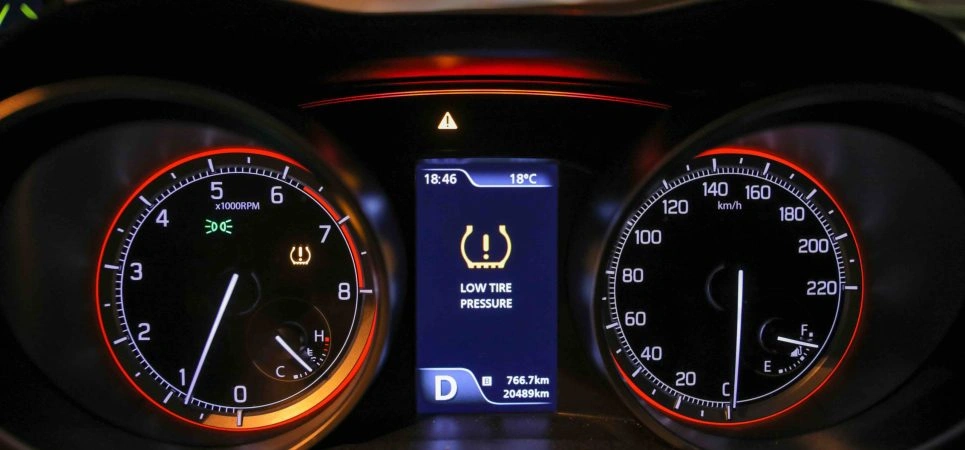
When your TPMS light comes on, it typically indicates:
-
Low tire pressure in one or more tires
-
TPMS sensor malfunction
-
Rapid temperature change affecting tire pressure
-
TPMS system initialization required (after tire rotation or replacement)
It is not a light to ignore. Driving with underinflated tires can cause:
-
Poor handling and braking
-
Reduced fuel efficiency
-
Premature tire wear
-
Tire blowouts
What Does Check TPMS Mean on a Car?
If you see “Check TPMS” on your dashboard:
-
The vehicle has detected a problem with the system itself, not just low tire pressure.
-
Common causes include:
-
Dead or weak TPMS sensor battery
-
Faulty TPMS sensor
-
Interference with the wireless signal from the sensor to the car
-
Aftermarket tires or rims without compatible sensors
-
It’s important to have a certified technician inspect the system to ensure accurate readings.
Why the TPMS Light Flashes
A flashing TPMS light usually indicates:
-
A system malfunction
-
Sensor communication failure
-
Sensor battery is depleted (most sensors last 5–10 years)
If the TPMS light flashes for about a minute and then stays on, it means the system is alerting you to low tire pressure. Always check your tires manually in such cases. Improve your vehicle knowledge by learning about mechanical components in What Does an Alternator Do and service procedures like What Is Tire Rotation.
TPMS in Different Car Models
Many drivers wonder what TPMS means specifically for certain brands:
TPMS on a Honda
-
Honda vehicles have a direct TPMS system.
-
The TPMS light illuminates if tire pressure drops 20% below the recommended level.
-
Resetting the TPMS after adjusting pressure is often required.
TPMS on Toyota
-
Toyota vehicles may use direct or indirect TPMS depending on the model.
-
The warning light appears as a yellow exclamation point inside a tire symbol.
TPMS on other vehicles
-
Ford, Nissan, BMW, and Mercedes-Benz all feature TPMS lights with brand-specific reset procedures.
Common Causes of TPMS Warnings
A TPMS light may illuminate for several reasons:
-
Low Tire Pressure: Most common cause; check and inflate tires to the recommended PSI.
-
Temperature Changes: Cold weather can reduce tire pressure, triggering the light.
-
Tire Damage or Puncture: Slow leaks may activate the warning.
-
Sensor Issues: Dead or malfunctioning sensors may cause false alerts.
-
Tire Rotation or Replacement: After tire maintenance, sensors may need recalibration.
How to Fix TPMS Issues
Check Tire Pressure
-
Use a reliable tire pressure gauge.
-
Inflate tires to the recommended PSI listed on your driver’s door or owner’s manual.
Reset TPMS
-
Some cars have a manual reset button.
-
Others reset automatically after driving for a few minutes at a constant speed.
Replace Sensors
-
Sensors have batteries that last 5–10 years.
-
If the sensor battery dies, the TPMS light will remain on.
Professional Diagnosis
-
A certified mechanic can scan the system for error codes.
-
TPMS replacement or recalibration may be required after tire changes.
Importance of Maintaining Proper Tire Pressure
Driving with correct tire pressure offers multiple benefits:
-
Safety: Reduces the risk of blowouts and improves braking.
-
Fuel Efficiency: Properly inflated tires improve gas mileage.
-
Tire Longevity: Prevents uneven wear and premature replacement.
-
Comfort: Ensures smooth handling and ride quality.
Ignoring the TPMS warning can compromise all these factors.
Myths About TPMS
Myth 1: TPMS replaces manual tire checks
Fact: TPMS helps, but manual checks are still recommended monthly.
Myth 2: Only underinflated tires trigger TPMS
Fact: Sensor malfunctions or temperature changes can also trigger the light.
Myth 3: TPMS lights are just suggestions
Fact: They indicate potential safety issues and should not be ignored.
Tips for Drivers When TPMS Light Appears
-
Pull over safely and inspect all tires visually
-
Check tire pressure manually
-
Look for signs of punctures or damage
-
Inflate tires to recommended PSI
-
Reset the system if necessary
-
Schedule service if the light persists
TPMS FAQs
What does TPMS error mean on a car?
-
Indicates a fault in the TPMS system or one of the sensors.
Does TPMS light come on in cold weather?
-
Yes, cold weather can reduce tire pressure and trigger the light.
How do I know if my TPMS sensor is bad?
-
The warning light stays on even after inflating tires.
-
Sensors older than 5–10 years often fail due to battery depletion.
Can I drive with TPMS light on?
-
Only for short distances if tire pressure is safe.
-
Avoid long drives or high speeds until issue is resolved.
Benefits of TPMS in Modern Cars
-
Real-time monitoring: Immediate alerts for tire pressure issues.
-
Increased safety: Reduces risk of accidents caused by underinflated tires.
-
Better fuel economy: Proper pressure improves efficiency.
-
Maintenance reminders: Helps prolong tire life.
TPMS has become standard in most modern vehicles and is even required by law in the U.S. and Europe for passenger cars.
Summary
TPMS (Tire Pressure Monitoring System) is a safety and efficiency tool built into modern cars. Whether your TPMS light is flashing, reading “Check TPMS,” or simply illuminated, understanding the system ensures:
-
Correct tire pressure
-
Safer driving
-
Optimal tire performance
-
Prevention of costly repairs
Remember, TPMS is not a replacement for manual tire checks, but it is a valuable ally in keeping your car running safely.