

Sandalwood has been cherished for centuries for its unique, warm, and soothing aroma. From ancient temples to modern perfumery, this wood-derived scent carries a sense of calm and luxury. But what does sandalwood actually smell like? And why is it so widely used in fragrances, oils, and incense? This guide explores everything you need to know about the scent of sandalwood, its variations, and how it combines with other fragrances.
The Basics of Sandalwood Scent
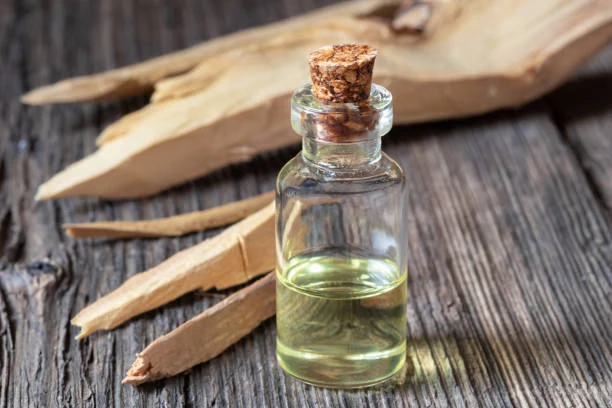
Sandalwood comes from the heartwood of trees in the Santalum genus, most notably Indian (Santalum album) and Australian sandalwood (Santalum spicatum). Its fragrance is rich, creamy, and woody, often described as smooth, warm, and slightly sweet. Unlike sharp or overpowering scents, sandalwood is subtle yet persistent, making it a versatile base note in perfumery.
Key Characteristics of Sandalwood Aroma:
-
Warm and woody
-
Softly sweet and creamy
-
Earthy and grounding
-
Long-lasting and mellow
This combination makes sandalwood both comforting and luxurious, which is why it’s frequently used in perfumes, candles, and incense.
Different Types of Sandalwood and Their Scents
Not all sandalwood smells the same. The scent can vary depending on the species, origin, and processing method.
Indian Sandalwood (Santalum album)
-
Scent profile: Rich, creamy, warm, slightly sweet, and earthy
-
Common uses: High-end perfumes, essential oils, meditation, and spiritual rituals
-
Notable feature: Considered the “classic” sandalwood fragrance, highly prized for its richness
Australian Sandalwood (Santalum spicatum)
-
Scent profile: Earthy, dry, with a soft woody undertone
-
Common uses: Perfumes, incense, soaps, and cosmetic products
-
Notable feature: Slightly less creamy than Indian sandalwood, more subtle and grounded
Hawaiian Sandalwood (Santalum paniculatum)
-
Scent profile: Sweet, soft, and slightly floral
-
Common uses: Specialty perfumes and luxury candles
-
Notable feature: Light and tropical, often blended with fruity or floral notes
Mysore Sandalwood
-
Derived from India’s Karnataka region, Mysore sandalwood is famous for its intense, creamy, and long-lasting aroma. It is often considered the gold standard in perfumery. Compare aromatic blends with What Does Vetiver Smell Like and musk characteristics described in What Does Musk Smell Like.
Sandalwood in Perfumery
Sandalwood is a favorite base note in many fragrances because it provides depth, longevity, and warmth. It pairs well with both floral and spicy notes. Here are some common blends:
-
Sandalwood and Jasmine: Adds a soft floral sweetness to the creamy woodiness
-
Sandalwood and Vanilla: Enhances warmth and adds a dessert-like, cozy scent
-
Sandalwood and Amber: Gives a rich, oriental fragrance profile
-
Sandalwood and Musk: Intensifies sensuality and depth
-
Sandalwood and Bergamot: Creates a refreshing yet woody fragrance
In perfumery, sandalwood’s versatility allows it to complement both masculine and feminine scents, making it universally appealing.
Sandalwood in Everyday Products
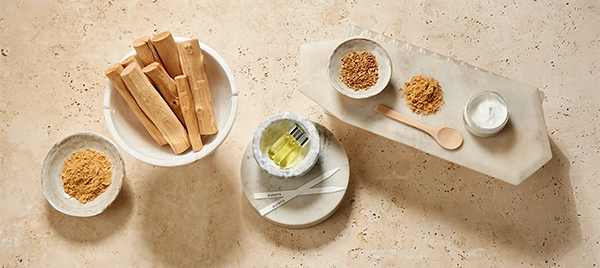
Sandalwood is not just for perfumes. Its distinct aroma is incorporated into various products:
-
Sandalwood Soap: Offers a calming, subtle fragrance
-
Sandalwood Incense: Used for meditation, relaxation, and spiritual rituals
-
Sandalwood Candles: Creates a cozy, warm atmosphere
-
Sandalwood Beard Oil: Adds a masculine, earthy aroma while conditioning hair
-
Sandalwood Essential Oil: Used in aromatherapy for relaxation and stress relief
Each product emphasizes different aspects of sandalwood’s scent, from sweet and creamy to earthy and grounding.
Scent Variations in Different Combinations
The smell of sandalwood can change dramatically depending on what it is blended with. Here’s a breakdown of common pairings:
-
Amber and Sandalwood: Deep, warm, slightly resinous
-
Bergamot and Sandalwood: Fresh top note with creamy woody base
-
Patchouli and Sandalwood: Earthy, deep, and grounding
-
Cinnamon and Sandalwood: Spicy warmth
-
Rose and Sandalwood: Soft floral sweetness with creamy woodiness
-
Vanilla and Sandalwood: Cozy, soft, and sweetly creamy
These combinations allow sandalwood to work in both casual and luxurious scents, suitable for personal care, home fragrance, or high-end perfumes.
The Emotional and Psychological Impact of Sandalwood
Sandalwood is more than a fragrance; it has aromatherapeutic properties:
-
Calming: Reduces stress and anxiety
-
Grounding: Encourages focus and mindfulness
-
Warmth: Creates a sense of comfort and luxury
-
Spiritual Use: Common in meditation and religious ceremonies due to its soothing aroma
Many users report feeling relaxed and centered in spaces where sandalwood is present.
How Sandalwood Smells Differ in Forms
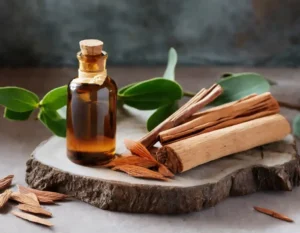
Sandalwood Oil
-
Concentrated, smooth, creamy
-
Stronger aroma than wood pieces
-
Used in essential oils, perfumes, and massage oils
Sandalwood Powder
-
Earthy, dry, slightly sweet
-
Often burned as incense or used in ceremonial powders
Sandalwood Candles
-
Warm, subtle, and ambient
-
Softens over time as it burns
Sandalwood in Perfumes
-
Long-lasting, creamy, slightly sweet
-
Serves as a base note to blend with other fragrance layers
Special Types of Sandalwood
-
Blue Sandalwood: Rarely found in high-end perfumes, described as cooler, more woody, and slightly minty
-
White Sandalwood: Soft, light, slightly floral
-
Red Sandalwood: Strong, earthy, with dry undertones
-
Black Sandalwood: Deep, smoky, and intense
-
Sacred Sandalwood: Traditionally used in spiritual rituals, deeply grounding aroma
Sandalwood in the Modern World
Despite the high demand, sandalwood is a rare and precious resource, especially Indian sandalwood. Modern perfumery often uses synthetic or blended sandalwood oils to capture the scent sustainably. Consumers are drawn to sandalwood not just for its aroma but also for its calming and luxurious qualities.
Summary: What Sandalwood Smells Like
-
Primary notes: Creamy, woody, warm, and slightly sweet
-
Variations: Indian, Australian, Hawaiian, Mysore, Red, White, Black
-
Blends: Works well with jasmine, vanilla, amber, musk, bergamot, and patchouli
-
Uses: Perfume, soap, incense, candles, oils, beard care
-
Effects: Calming, grounding, comforting, luxurious
Whether used in perfumes, home fragrances, or personal care products, sandalwood offers a timeless scent that evokes warmth, serenity, and sophistication.