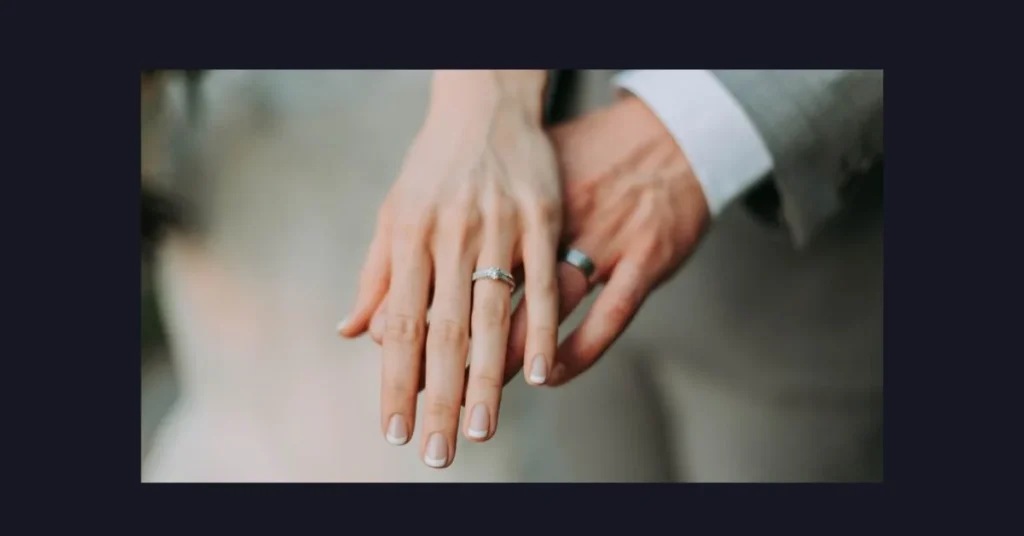
When it comes to engagement rings, one of the most common questions people ask is: What hand does an engagement ring go on?
The answer might surprise you, because it depends on culture, country, personal tradition, religion, and even gender. While many think there is only one correct way, engagement ring customs vary widely across the world. Some people wear them on the left hand, others choose the right, and modern couples often pick whatever feels right for them. This comprehensive guide breaks down exactly which hand and finger an engagement ring goes on, how traditions differ by country, the meaning behind these choices, and specific customs for men, women, and cultural preferences.
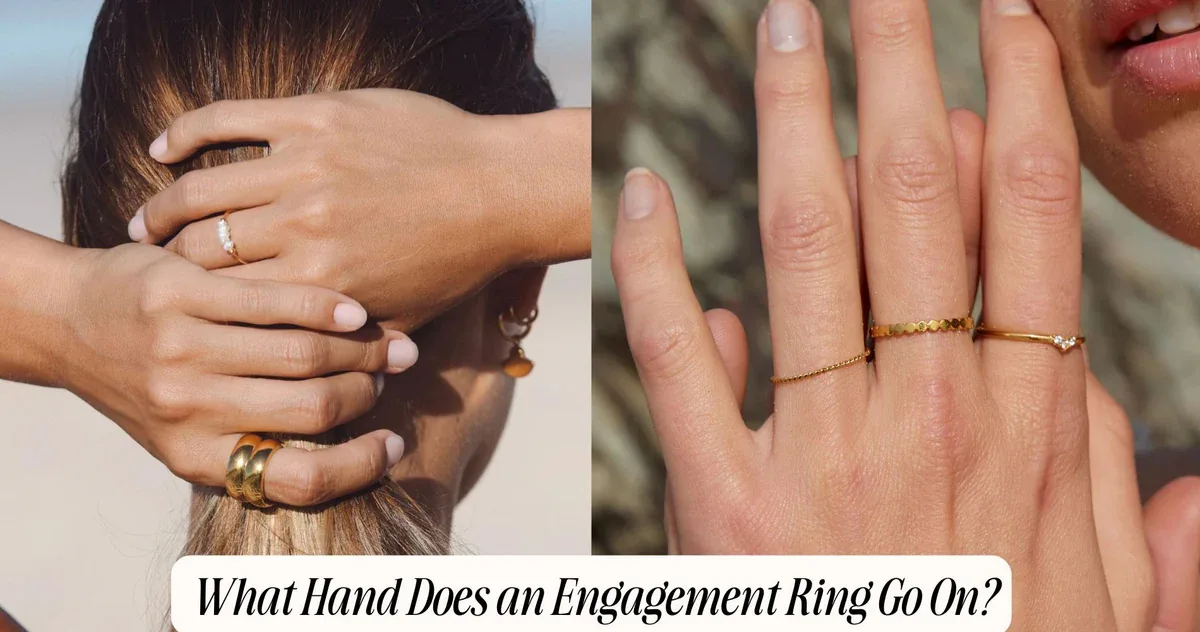
What Hand Does an Engagement Ring Go On?
Most common worldwide
Left hand, ring finger: This is the traditional choice for engagement rings.
In many European, Latin American & Asian countries
Right hand, ring finger: This includes Germany, Norway, India, Russia, and more.
For men
There is no universal rule.
Men may wear engagement rings on:
-
Left hand ring finger
-
Right hand ring finger
-
Or not wear one at all
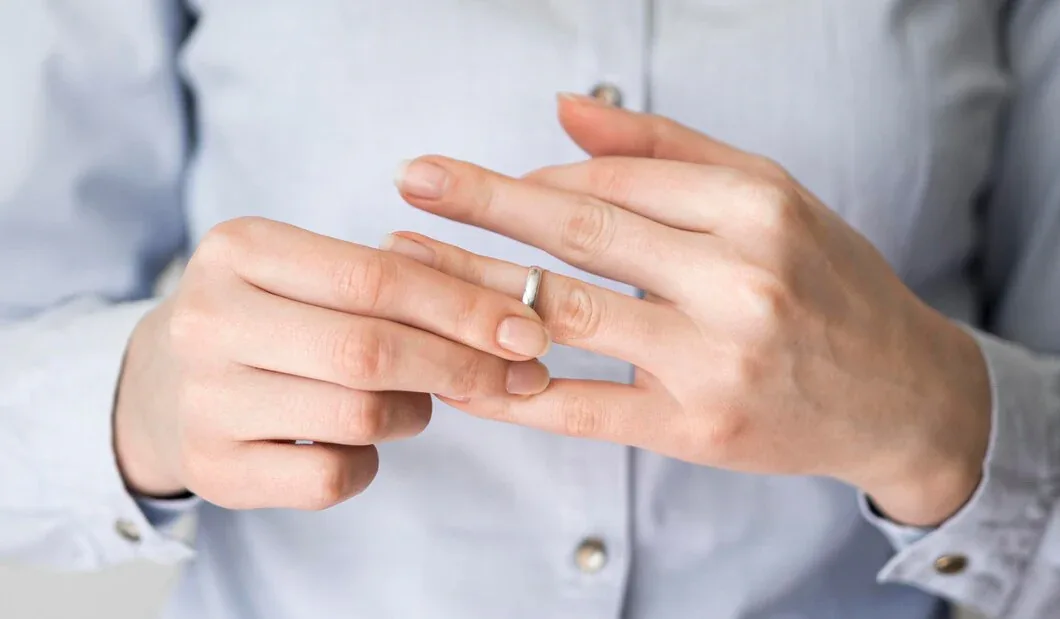
Why the Left Hand? The Historical Meaning Behind It
The tradition of wearing the engagement ring on the left hand started with an ancient belief.
The “Vena Amoris” – The Vein of Love
The Romans believed a special vein, called the vena amoris, connected the left ring finger straight to the heart.
While this isn’t anatomically accurate, the symbolism stuck, and has shaped Western engagement customs for centuries.
Symbolism of the left hand
-
Connected to romance
-
Associated with lifelong commitment
-
Seen as the hand closer to the heart
This is why many Western countries keep this tradition today.
The Right Hand Tradition: Why Some Cultures Choose the Right Side
Not every country follows the left-hand tradition. In many parts of the world, engagement rings go on the right hand instead.
Countries that wear engagement rings on the RIGHT hand:
-
Germany
-
Austria
-
Norway
-
Poland
-
Russia
-
India
-
Greece
-
Colombia
-
Venezuela
-
Spain (varies by region)
-
Some Middle Eastern countries
Why the right hand?
-
In many cultures, the right hand symbolizes honor, strength, and reliability.
-
Certain religious traditions consider the left hand “less pure.”
-
Eastern European countries reserve the left hand for mourning jewelry.
For these reasons, the right hand became the standard. Know ring etiquette through What Hand Does an Engagement Ring Go On and Promise Rings: What Finger Does It Go On.
What Hand Does an Engagement Ring Go On in the U.S.?
In the United States, the overwhelming majority wear engagement rings on the:
Left hand, ring finger
This is the Hollywood tradition, the bridal industry standard, and what most Americans expect.
Men and women can both wear engagement rings in the U.S., but women are more likely to have one.
What Hand Does an Engagement Ring Go On in the U.K.?
In the United Kingdom, the tradition mirrors the U.S.
Left hand, ring finger
This is consistent across England, Scotland, Wales, and Northern Ireland.
The left-hand tradition is very strong in British culture and rarely varies.
What Hand Does an Engagement Ring Go On in Japan?
In Japan, Western-style wedding customs became popular in the late 20th century. Today:
Left hand, ring finger
This applies to both:
-
Engagement rings
-
Wedding rings
However, a small number of traditional families may choose differently, especially in rural areas, but the left-hand Western style is now mainstream.
What Hand Does an Engagement Ring Go On for Women?
Traditionally, women wear the engagement ring on:
Left hand, ring finger (most countries)
But exceptions exist. Women in:
-
Russia
-
Greece
-
India
-
Poland
-
Colombia
Wear it on the right hand instead.
Why women often wear it on the left:
-
Symbolism of the “vein of love”
-
Bridal traditions
-
Cultural expectation
-
Comfort with Western jewelry styles
What Hand Does an Engagement Ring Go On for Men?
Men’s engagement rings are becoming more popular, but customs vary widely.
Common placements for men:
-
Left hand, ring finger
-
Right hand, ring finger
-
No engagement ring at all
Why men sometimes choose the right hand:
-
Professional comfort
-
Cultural tradition (especially in Europe)
-
Left-hand rings may interfere with tools or machinery
-
Masculinity preference
LGBTQ+ couples
Men in same-sex relationships frequently choose:
-
Matching rings
-
The ring finger on either hand
-
Personalized placement based on preference, not tradition
There are no strict rules, modern couples create their own.
Which Finger Does an Engagement Ring Go On?
Regardless of the hand, the engagement ring always goes on the ring finger, which is:
The 4th finger Counting from the thumb
This is universal across most cultures.
Why the ring finger?
-
It has become the worldwide symbol of love and commitment
-
Historically believed to connect to the heart
-
Worn on a finger not heavily used for manual work
What Happens to the Engagement Ring at the Wedding?
During the wedding ceremony, most people: Move the engagement ring temporarily to the right hand. The wedding band is placed on the left ring finger. Then the engagement ring is stacked back on top. This creates the popular “stacked rings” look.
Alternative approach:
Some people never move the engagement ring and simply add the wedding band next to it.
Non-traditional couples:
Many couples today rearrange rings based on comfort, job requirements, or personal preference.
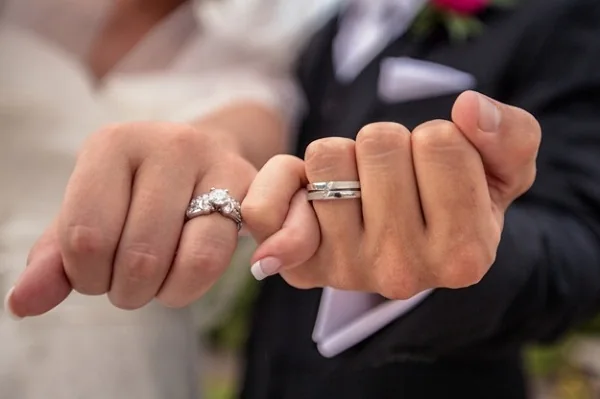
Engagement Ring Customs by Country
Here’s a simple breakdown:
| Country | Hand | Notes |
|---|---|---|
| USA | Left | Most common tradition |
| Canada | Left | Same as U.S. |
| UK | Left | Universal across the kingdom |
| Ireland | Left | Wedding transition follows Catholic tradition |
| Germany | Right | Wedding band moves to left or stays right |
| Austria | Right | Long-standing European custom |
| Russia | Right | Symbol of strength and honor |
| Poland | Right | Consistent tradition |
| India | Right (traditional) / Left (modern) | Depends on region and religion |
| Japan | Left | Western influence |
| Spain | Right (varies regionally) | Catalonia differs from Madrid |
| Brazil | Right then left | Engagement right → wedding left |
Understanding these cultural variations helps explain why answers differ depending on who you ask.
Why Engagement Ring Traditions Vary Across Cultures
These differences come from:
Symbolism in Religion
Christian, Orthodox, Hindu, and Jewish traditions influence ring placement.
Beliefs about hands
Some customs associate:
-
Left hand → romance
-
Right hand → strength or purity
Western influence
Movies, celebrities, and the global diamond industry have standardized some practices.
Personal Comfort
Many people simply choose what feels best or looks good.
Do You Have to Wear an Engagement Ring on a Certain Hand?
Absolutely not: Engagement ring customs are traditions, not rules. Modern couples often choose based on:
-
Comfort
-
Work environment
-
Aesthetic preference
-
Cultural blending
-
LGBTQ+ considerations
-
Personal symbolism
If the “traditional way” doesn’t fit your lifestyle, it’s totally acceptable to wear your ring differently.
Frequently Asked Questions
What hand does an engagement ring go on in America?
The left hand, ring finger.
What hand does an engagement ring go on for a woman?
Usually the left ring finger, unless her culture uses the right hand.
What hand does an engagement ring go on for a man?
Either left or right, there are no universal rules for men.
What hand does an engagement ring go on in the UK?
The left hand.
Why do some countries wear engagement rings on the right hand?
Cultural symbolism, religious tradition, and regional customs.
Can I wear my engagement ring on my right hand if I want?
Yes, personal preference is completely acceptable.
The “Right” Hand Is Whatever Feels Right to You
Although tradition plays a big role in engagement ring customs, there is no single correct hand.
The most important thing is the love and meaning behind the ring, not the finger it sits on.
- Most Western countries → Left hand
- Many European & Asian countries → Right hand
- Men → Either hand or none at all
- Modern couples → Choose based on comfort & symbolism
Whatever you choose becomes your tradition, and that’s what truly matters.