What Does Jasmine Smell Like? Jasmine is one of the most celebrated flowers in the world of perfumes, aromatherapy, and personal care products. Known for its intoxicating, floral aroma, jasmine has inspired fragrances, teas, and essential oils for centuries. But what does jasmine smell like, exactly? This guide explores the scent of jasmine, its variations, essential oil notes, and how it’s used in perfumes and lifestyle products.
Understanding Jasmine Aroma
Jasmine belongs to the genus Jasminum, which includes over 200 species. Its scent is sweet, rich, and complex, combining floral, fruity, and slightly musky undertones. Jasmine’s fragrance can evoke feelings of romance, relaxation, and luxury, making it a favorite for personal care and high-end perfumes.
Key Characteristics of Jasmine Scent:
-
Sweet and floral: The primary note is intensely floral and heady.
-
Fruity undertones: Some varieties have hints of tropical fruits like lychee or apricot.
-
Musky or animalic notes: Certain types carry a soft muskiness that adds depth.
-
Night-blooming intensity: Flowers like Night Blooming Jasmine release fragrance primarily at night, making them more potent.
Jasmine Varieties and Their Unique Scents
Different jasmine species produce slightly different scents. Knowing the type helps you understand Discover the scent of jasmine, from fresh and fruity to deep and exotic. Learn how this versatile floral enhances perfumes, oils, teas, and personal care products.
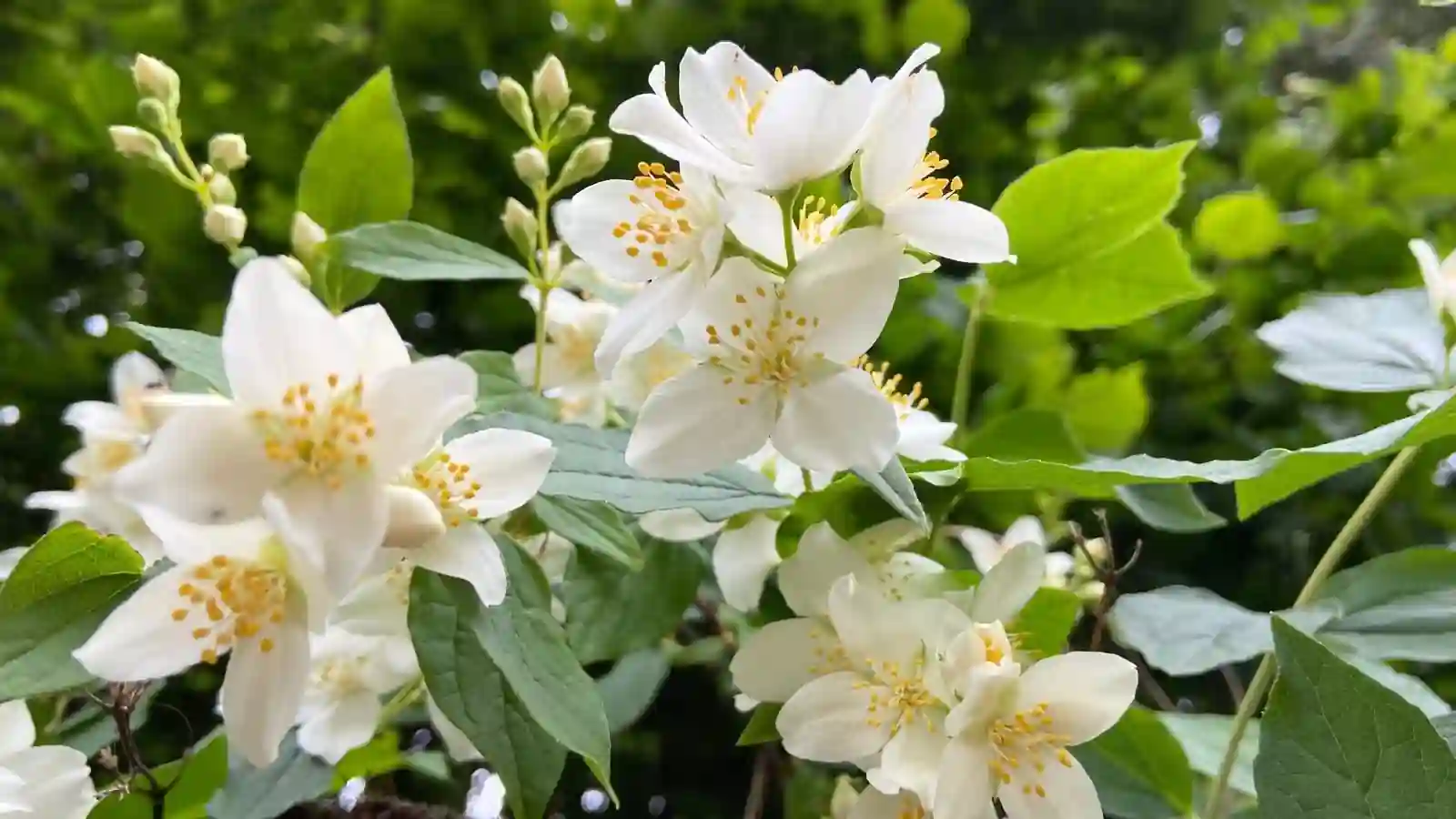
White Jasmine
-
Classic, clean, and intensely floral
-
Often used in white floral perfumes
-
Sweet, romantic aroma suitable for daytime and evening fragrances
Star Jasmine
-
Also known as Trachelospermum jasminoides
-
Subtle, creamy floral notes with hints of citrus
-
Popular in gardens and as a natural scent enhancer
Arabian Jasmine
-
Rich, exotic, and heady
-
Deeply sweet with musky undertones
-
Commonly used in Middle Eastern perfumes and attars
Egyptian Jasmine
-
Softer, lighter, and more elegant than Arabian Jasmine
-
Fragrance carries a delicate floral freshness with slight fruity hints
-
Widely used in luxury perfumery
Pink Jasmine
-
Soft floral aroma with a slightly fruity and rosy note
-
Gentle, uplifting, and perfect for fresh, casual perfumes
Night Blooming Jasmine
-
Strong, intense, and slightly sultry
-
Emitted primarily in the evening
-
Adds a romantic, nocturnal quality to fragrances
Sambac Jasmine
-
Intensely sweet and rich
-
Commonly used in essential oils and high-end perfumes
-
Known as Mogra in Indian traditions, used in teas, garlands, and rituals
Jasmine in Perfumes
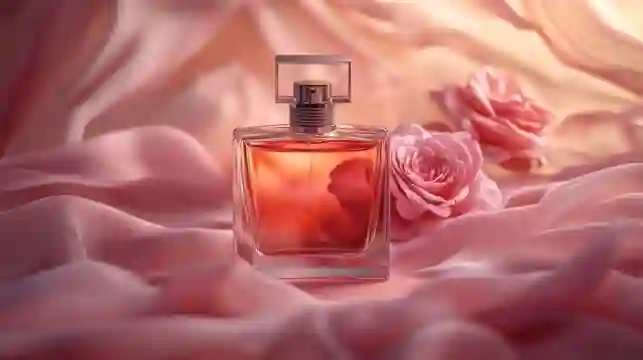
Jasmine is a key ingredient in perfumery due to its versatility and intensity. Depending on the formulation, jasmine can smell:
-
Fresh and airy: In light Eau de Toilettes
-
Deep and exotic: In oriental perfumes
-
Romantic and powdery: Mixed with rose, vanilla, or sandalwood
Popular Jasmine Perfumes:
-
Bvlgari Jasmin Noir: Exotic, deep jasmine with woody undertones
-
Gucci Flora Gorgeous Jasmine: Fruity, sweet, and playful
-
Michael Kors Glam Jasmine: Rich and soft with a floral bouquet
-
Tom Ford Jasmin Rouge: Deep, sensual, and warm
-
Body Shop Winter Jasmine: Soft floral scent with fresh, wintry notes
Jasmine in Fragrance Notes
-
Top note: Bright, fruity hints
-
Heart/middle note: Floral jasmine dominance
-
Base note: Musky or woody undertones, adding depth and longevity
Jasmine Essential Oil
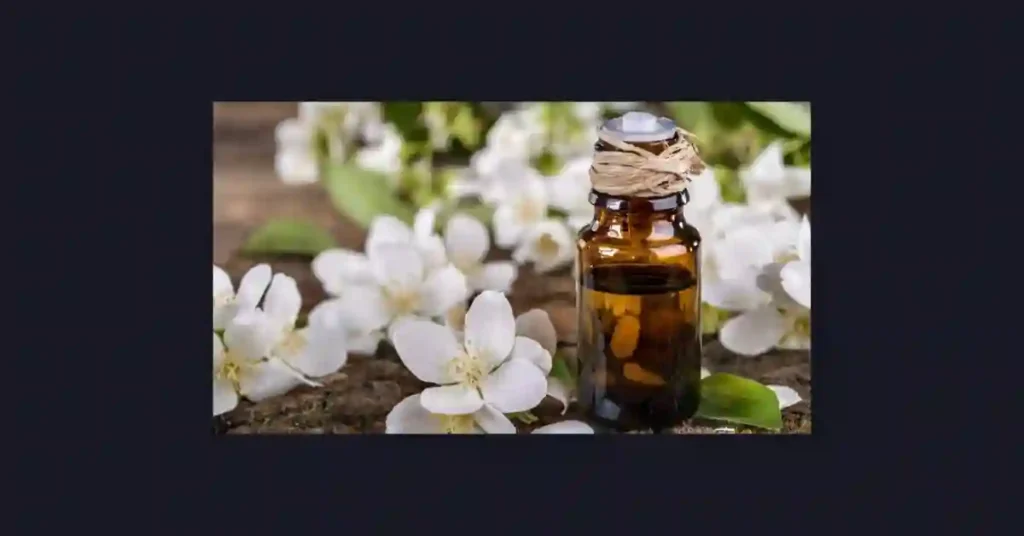
Jasmine essential oil captures the pure essence of the flower. It is extracted through steam distillation or solvent extraction of the blossoms.
Jasmine Essential Oil Aroma:
-
Sweet, heady, and floral
-
Exotic and rich
-
Often used for relaxation, aromatherapy, and stress relief
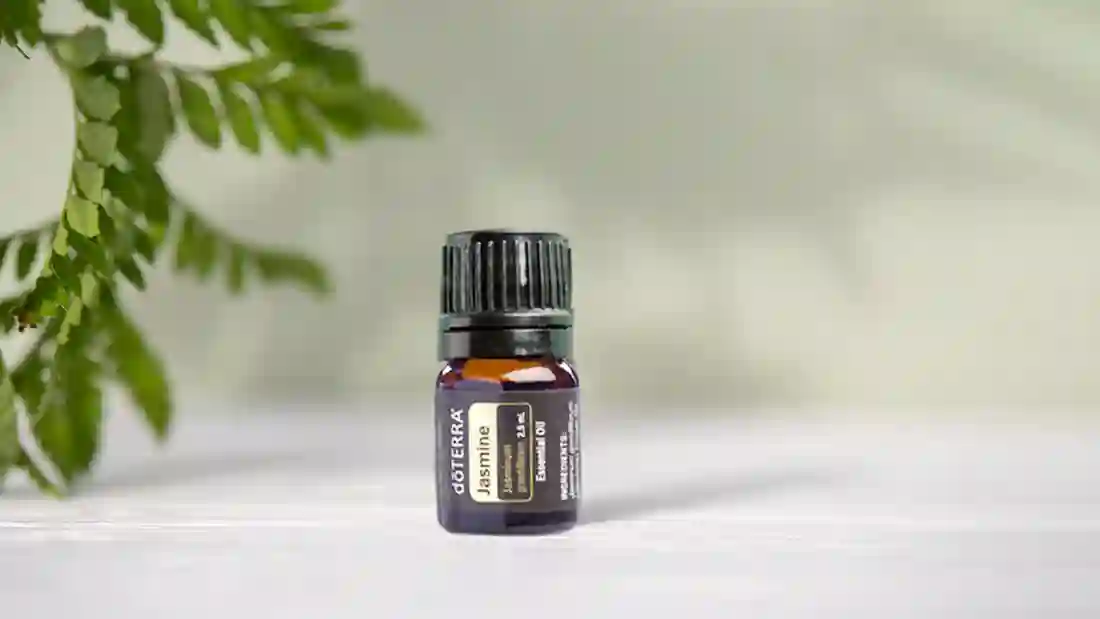
Uses:
-
Perfumery
-
Aromatherapy diffusers
-
Massage oils
-
Natural skincare and bath products
Jasmine in Teas
Jasmine tea offers another sensory experience. Green or white tea leaves are scented with jasmine blossoms, giving a delicate, sweet floral aroma.
-
Fragrance is lighter than essential oils or perfumes
-
Soft, relaxing, and soothing
-
Common in traditional Chinese teas
Jasmine Combinations in Fragrance
Jasmine pairs beautifully with various notes to create balanced fragrances:
-
Sandalwood and Jasmine: Warm, woody, and floral
-
Jasmine and Rose: Soft, romantic, and powdery
-
Jasmine Oud: Deep, exotic, and luxurious
-
Jasmine Vanilla: Sweet, comforting, and creamy
These combinations highlight the versatility of jasmine in both classic and contemporary perfumery. Learn about the scents of What Does Vetiver Smell Like and What To Wear to Pilates.
How to Identify Jasmine Scent
If you want to experience what jasmine smells like in nature or products:
-
Smell the flower directly: Fresh jasmine flowers release their strongest fragrance in the evening.
-
Use essential oils: Diffuse jasmine oil or apply a drop on a cotton swab.
-
Try perfumes or scented candles: High-quality fragrances often capture the true jasmine aroma.
-
Jasmine teas: Brew and inhale the aroma for a subtler scent experience.
Jasmine in Different Cultural Contexts
-
Middle East: Arabian jasmine used in attars and perfumes
-
India: Sambac jasmine in religious and ceremonial use
-
China: Jasmine tea and ornamental plants
-
Western countries: Garden cultivation and fragrance products
Jasmine often symbolizes love, purity, and beauty, which is why it is widely celebrated across cultures.
Jasmine Variants and Scent Descriptions
| Jasmine Type | Scent Profile |
|---|---|
| White Jasmine | Sweet, floral, classic |
| Star Jasmine | Creamy, citrusy, soft |
| Arabian Jasmine | Exotic, musky, deep |
| Egyptian Jasmine | Delicate, fresh, elegant |
| Pink Jasmine | Fruity, rosy, gentle |
| Night Blooming Jasmine | Strong, intense, sultry |
| Sambac Jasmine | Rich, heady, traditional |
FAQs About Jasmine Scent
What does jasmine smell like in perfume?
Jasmine in perfumes ranges from fresh and airy to deep and musky, often forming the heart note of floral or oriental fragrances.
What is the difference between jasmine essential oil and perfume?
Essential oil is pure plant extract; perfume is a blend of jasmine with other fragrance notes.
Does jasmine smell different at night?
Night-blooming jasmine releases a stronger, more intense fragrance in the evening.
Can jasmine scent be calming?
Yes, jasmine is widely used in aromatherapy for relaxation, stress relief, and emotional balance.
How do I use jasmine scent daily?
Wear jasmine perfume, diffuse essential oil, or enjoy jasmine tea to experience its aroma throughout the day.
Final Thoughts
Jasmine is a versatile, luxurious, and beloved floral scent that enhances perfumes, oils, teas, and personal care products. From white jasmine to night-blooming varieties, each type brings a unique aroma that ranges from fresh and fruity to deep and exotic. Understanding what jasmine smells like can help you choose the right product for fragrance layering, relaxation, or personal enjoyment. Whether in a luxury perfume, essential oil, or a blooming garden, jasmine continues to captivate and inspire with its unforgettable aroma.