
A promise ring is a beautiful symbol of love, commitment, or personal vows. But one of the most common questions people ask is: “What finger do you wear a promise ring on?” Understanding the traditional placements, modern alternatives, and the meanings behind each choice can help you wear your promise ring with purpose and style. In this guide, we’ll cover everything from finger selection and hand placement to etiquette, gender differences, and personalization ideas for your promise ring.
What Is a Promise Ring?
Before we dive into finger placement, it’s important to understand what a promise ring represents.
A promise ring is:
-
A symbol of love or commitment before an engagement
-
A personal vow or self-promise, such as sobriety or personal growth
-
A friendship token in some cases
-
Often given in a romantic relationship, but not limited to romantic intentions
Unlike engagement or wedding rings, promise rings can be more flexible in style, material, and placement, depending on personal preference.
Traditional Finger for a Promise Ring
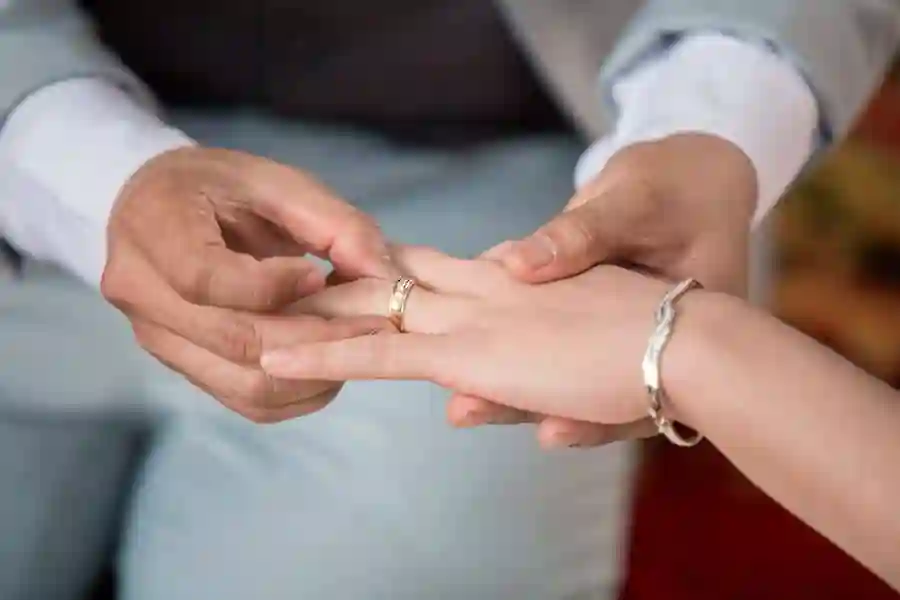
The most commonly suggested placement for a promise ring is the ring finger. This finger is typically the fourth finger on the left hand, the same finger traditionally used for engagement and wedding rings in many cultures.
Why the ring finger?
-
Historically, the left ring finger was believed to have a vein, called the vena amoris, that runs directly to the heart.
-
Placing a promise ring here symbolizes emotional connection and love.
Which Hand Should You Wear a Promise Ring On?
While the left hand is the most traditional choice, wearing a promise ring on the right hand is also acceptable.
Right Hand Placement
-
Often chosen if the left ring finger is already reserved for an engagement or wedding ring
-
Common in countries where engagement rings are traditionally worn on the right hand
-
Can symbolize friendship or personal promise rather than romantic commitment
Left Hand Placement
-
More traditional for romantic commitments
-
Keeps the ring closer to the placement of an engagement ring in the future
-
Shows continuity in the journey from promise to engagement
Finger Options for Promise Rings
While the ring finger is most common, promise rings can also be worn on:
Index Finger (Pointer Finger)
- Can symbolize leadership, ambition, or guidance
- Offers visibility for showcasing unique designs
Middle Finger
- Represents balance and responsibility
- Good for people who want their promise ring to stand out
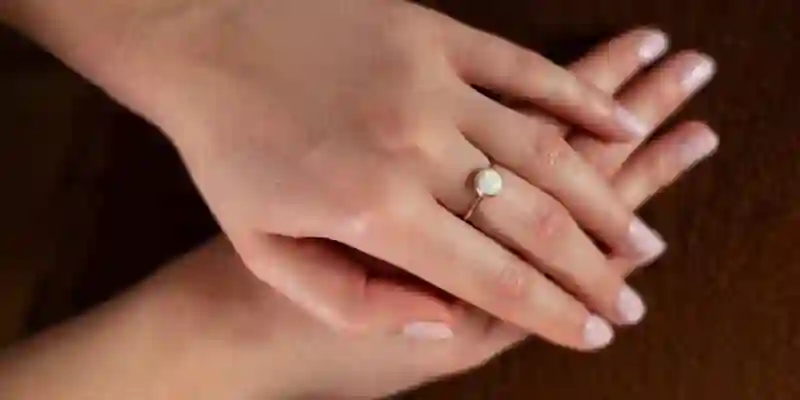
Thumb
- Less traditional but increasingly popular
- Symbolizes freedom, individuality, or self-love
Pinky Finger (Little Finger)
- Often used for friendship rings or family commitments
- Can show confidence and independence
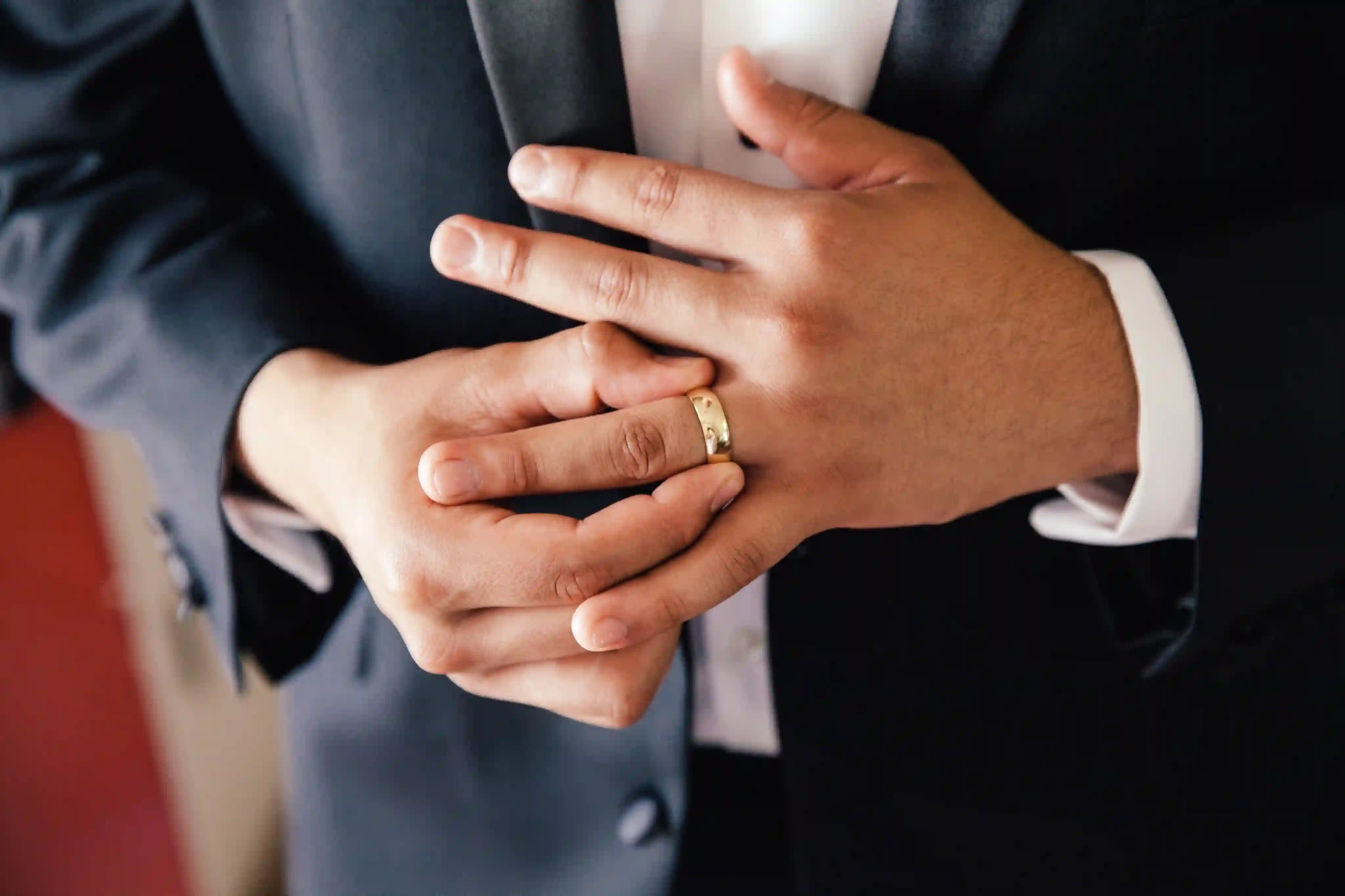
Promise Ring Placement for Men
Men also wear promise rings, but placement may differ slightly:
-
Ring Finger (Left Hand): Romantic commitment or engagement preparation
-
Right Hand: Personal promise, faith, or family commitment
-
Other Fingers: Less traditional but gaining popularity for style purposes
Men’s promise rings are often slightly wider or simpler than women’s rings, but the meaning remains strong.
Difference Between Promise Ring and Engagement Ring Placement
It’s important to distinguish between a promise ring and an engagement ring:
| Feature | Promise Ring | Engagement Ring |
|---|---|---|
| Purpose | Symbolic commitment or personal promise | Formal proposal of marriage |
| Finger Placement | Left or right ring finger, sometimes other fingers | Traditionally left ring finger |
| Style | Simple, modest, or personalized | Often diamond-focused and more elaborate |
| Meaning | Pre-engagement or personal vow | Public declaration of intent to marry |
Because of these differences, many people wear a promise ring on a different hand or finger to keep it distinct from an engagement ring. Those interested in jewelry etiquette may read What Color Shirt Goes With Grey Pants and What Is a Good Mile Time.
Meaning Behind Wearing a Promise Ring on the Right Hand
Wearing a promise ring on the right hand can convey:
-
Self-love and personal growth
-
Friendship or family promises
-
Non-romantic commitment
Right-hand placement is also practical if the left ring finger is reserved for engagement or wedding rings.
Can You Wear a Promise Ring on Any Finger?
Yes! While tradition guides you toward the left ring finger, promise rings are personal symbols, meaning you can choose the finger that resonates with your intention.
-
Consider symbolism, comfort, and aesthetics
-
Make sure it fits well and feels natural
-
Some people rotate their promise ring to different fingers for style
Tips for Choosing the Perfect Finger and Hand
Think About Future Rings
- If you plan to get engaged, consider keeping the left ring finger free or wearing the promise ring on another finger.
Consider Dominant Hand
- Wearing the ring on your non-dominant hand can protect it from wear and tear.
Personal Meaning
- Choose a finger or hand that has personal significance.
Comfort and Practicality
- Ensure the ring doesn’t interfere with daily tasks.
Try Before You Decide
- Experiment with different fingers and hands before making a final choice.
Promise Ring Styles and Finger Placement
The style of your promise ring can also influence placement:
-
Thin, delicate rings: Can be stacked or worn on any finger
-
Wider bands: Often look better on the middle or ring finger
-
Gemstone rings: Placing on the dominant or index finger can showcase the stone more prominently
Caring for Your Promise Ring
To keep your promise ring beautiful:
-
Remove during exercise or heavy chores
-
Clean with gentle jewelry cleaner or mild soap and water
-
Store in a soft-lined jewelry box
-
Avoid exposing to harsh chemicals or water for long periods
Conclusion
A promise ring is a meaningful symbol, and while the traditional finger is the left ring finger, modern interpretations allow for flexibility in finger and hand placement. Whether you choose the right hand, index finger, or thumb, the most important aspect is the intent and meaning behind the ring. Remember, a promise ring is your personal or shared commitment, so wear it in a way that feels authentic and comfortable.