
Betta fish, also known as Siamese fighting fish, are vibrant and captivating pets, famous for their flowing fins and bold colors. While many betta owners enjoy keeping them solo, you might wonder: “What fish can be with a betta?” Can you safely add other species to a betta tank without risking stress or aggression? This guide covers everything you need to know about betta fish tank mates, including compatible species, tank setup tips, behavior considerations, and safety precautions.
Understanding Betta Behavior
Before adding any tank mates, it’s essential to understand betta behavior:
-
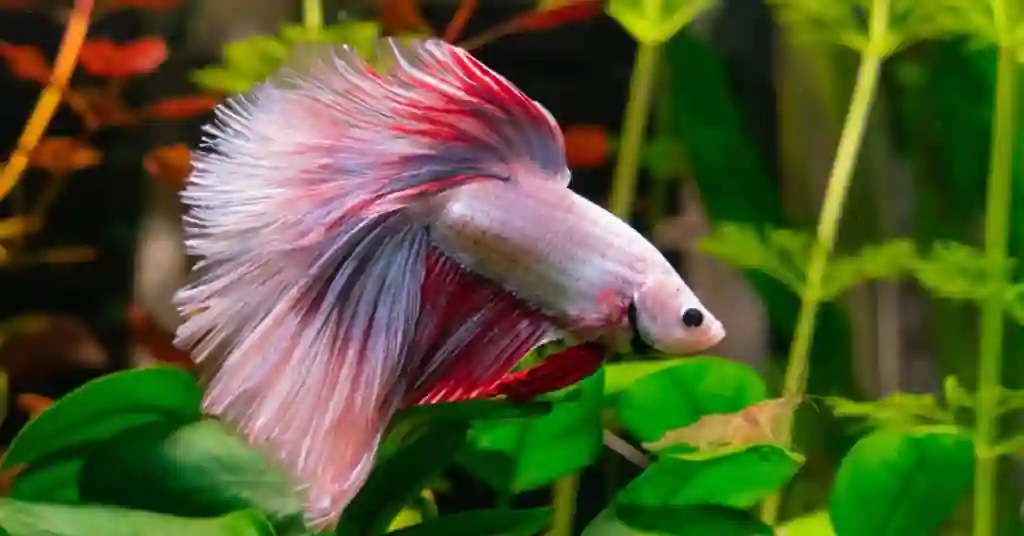
Aggression: Male bettas are territorial and may attack other male bettas or fish with long fins or bright colors.
-
Temperament: Female bettas are generally less aggressive but still require monitoring.
-
Activity Level: Bettas are curious swimmers but prefer peaceful tankmates that won’t harass or nip at their fins.
-
Tank Space: Bettas need adequate swimming space, hiding spots, and proper water conditions to reduce stress.
Because of these behaviors, choosing the right fish for a betta tank requires careful planning.
Best Fish to Keep with a Betta
Corydoras Catfish (Cory Cats)
-
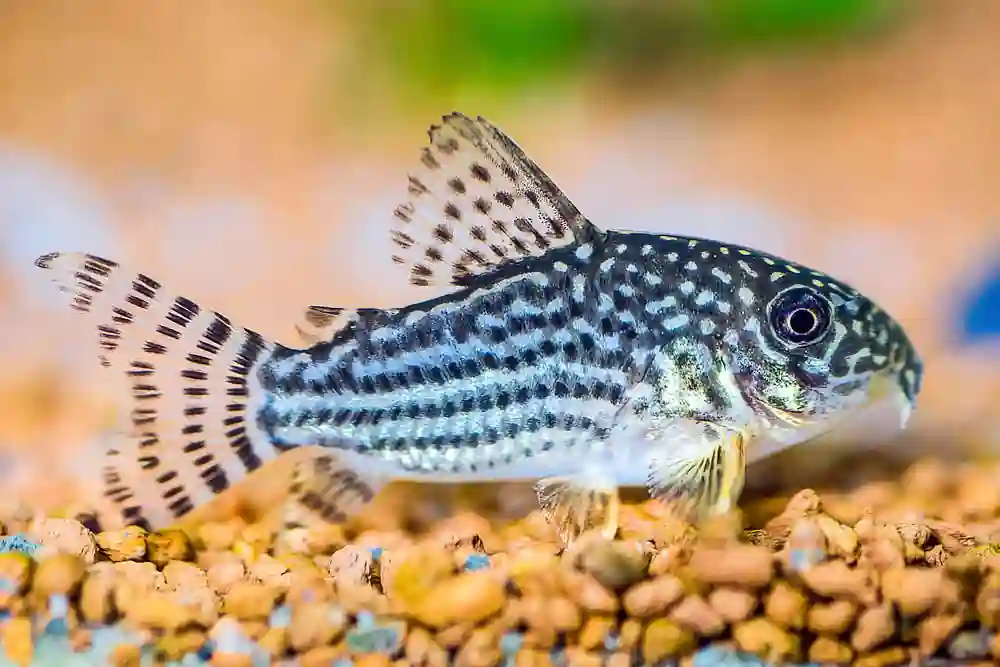
Why they’re compatible: Bottom dwellers, peaceful, and do not compete for surface space.
-
Behavior: Social; keep in groups of 3 or more.
-
Tank Tips: Provide soft substrate and hiding spots.
Neon Tetras
-
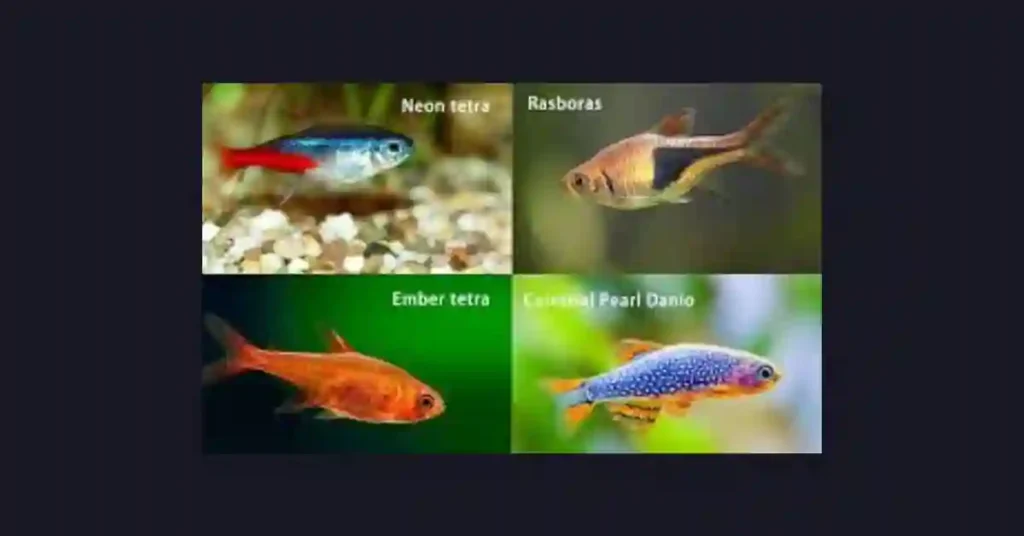
Why they’re compatible: Small, peaceful, and usually swim in schools.
-
Behavior: Active and colorful; may intrigue your betta without provoking aggression.
-
Tank Tips: Keep at least 6 in a well-planted tank to reduce stress.
Ember Tetras
-
Why they’re compatible: Tiny, vibrant, and peaceful.
-
Behavior: Swim mid-water, creating visual contrast without bothering the betta.
-
Tank Tips: Dense planting helps them feel secure.
Harlequin Rasboras
-
Why they’re compatible: Hardy, calm, and schooling fish.
-
Behavior: Stay in mid-tank, generally ignored by bettas.
-
Tank Tips: Keep in groups to reduce stress and create a natural school effect.
Otocinclus Catfish
-
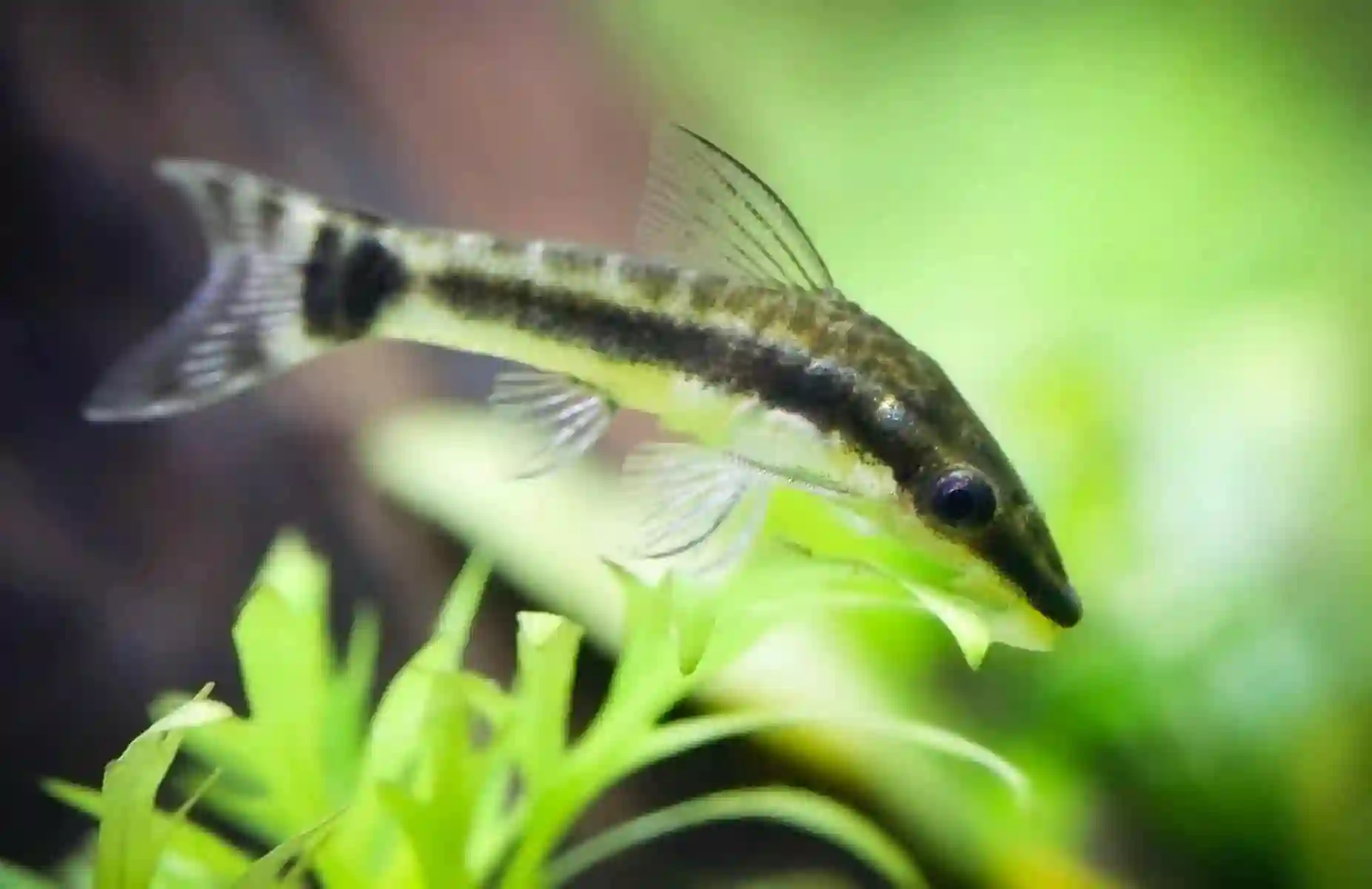
Why they’re compatible: Excellent algae eaters and bottom dwellers.
-
Behavior: Very peaceful; won’t compete for food or territory.
-
Tank Tips: Keep in groups of 3-6; provide plant surfaces for grazing.
Snails (Mystery Snails, Nerite Snails)
-
Why they’re compatible: Non-aggressive, help clean the tank, and occupy the bottom layer.
-
Behavior: Move slowly, won’t bother bettas.
-
Tank Tips: Ensure tank lids are secure; some snails can climb out.
Shrimp (Amano Shrimp, Cherry Shrimp)
-
Why they’re compatible: Small, peaceful, and help control algae.
-
Behavior: Betta may occasionally be curious but often ignores them.
-
Tank Tips: Provide plants and hiding spots; very young bettas might eat baby shrimp.
Fish to Avoid with Bettas
While bettas can live with some species, certain fish are not suitable:
-
Other Male Bettas: Highly aggressive; never house together unless in a divided tank.
-
Fin-Nipping Species: Tiger barbs, serpae tetras, or some danios can stress or injure bettas.
-
Similar-looking Fish: Guppies or long-finned fish may trigger aggression from male bettas.
-
Large, Aggressive Fish: Cichlids or gouramis may dominate the tank and stress your betta.
Tips for a Peaceful Betta Community Tank
-
Tank Size Matters: Minimum 10 gallons recommended for community setups.
-
Provide Hiding Spaces: Plants, caves, and driftwood allow shy fish to escape.
-
Observe Introductions: Monitor behavior for the first few days; be ready to separate if aggression occurs.
-
Maintain Water Quality: Stable parameters (temperature, pH, ammonia levels) reduce stress.
-
Feed Wisely: Ensure all fish get access to food without the betta dominating.
-
Add Fish Gradually: Introduce small groups at a time to reduce territorial disputes.
Setting Up a Betta Community Tank
-
Plants: Floating plants, java fern, anubias, and moss create natural cover.
-
Substrate: Soft sand or smooth gravel protects bottom dwellers like cory cats.
-
Filtration: Gentle flow filters prevent stress on bettas, who dislike strong currents.
-
Temperature: Bettas prefer 76–82°F; ensure other tankmates tolerate the same range.
-
Lighting: Moderate lighting supports plants without causing stress for bettas.
Benefits of Keeping Compatible Fish with a Betta
-
Visual Variety: Multiple colors and behaviors make the tank lively.
-
Tank Utilization: Different species occupy different water layers (surface, mid, bottom).
-
Natural Behavior: Bettas often display more natural swimming and feeding behaviors in a community.
-
Ecosystem Balance: Some fish, shrimp, or snails help maintain cleanliness.
Frequently Asked Questions
Q: Can male bettas live with other fish?
Yes, if you choose peaceful species and provide adequate space, hiding spots, and monitoring.
Q: How many fish can a betta tank hold?
Depends on tank size. A 10-gallon tank can safely house 1 betta and 5-6 small schooling fish like tetras or rasboras.
Q: Can bettas live with guppies?
Male bettas may attack male guppies due to fin similarity. Female guppies might be safer but monitor interactions closely.
Q: Can bettas live with shrimp?
Yes, but very small or juvenile bettas may eat baby shrimp. Provide hiding places to ensure shrimp safety.
Q: Can you keep two female bettas together?
Female bettas are generally less aggressive and can cohabit in groups called sororities, but careful monitoring and tank space are crucial.
Conclusion
Betta fish can thrive in a community tank if the right companions are chosen. Peaceful species like corydoras catfish, tetras, rasboras, snails, and shrimp make excellent tank mates. Avoid fin-nippers, other male bettas, and aggressive species to maintain harmony. By understanding betta behavior, tank setup requirements, and compatible species, you can create a vibrant, balanced aquarium where your betta and its companions can coexist peacefully. Remember: patience, careful observation, and proper tank management are the keys to a successful betta community tank. Those curious about aquarium care often explore What Does Bison Taste Like and What Does Rat Poop Look Like.