
The concept of the hero has been a cornerstone of storytelling for centuries. From epic myths to modern cinema, the hero archetype takes many forms, reflecting the values, fears, and aspirations of society. One particularly compelling type is the willing hero, Who Is a Willing Hero? a character who embraces their role, confronts danger head-on, and often sacrifices for the greater good. But who exactly is a willing hero, and why do these characters resonate so deeply with audiences? In this article, we’ll explore the traits, examples, and significance of willing heroes in literature, film, cartoons, and other forms of storytelling.
Defining the Willing Hero
A willing hero is distinct from the reluctant hero. While reluctant heroes may resist the call to action, the willing hero accepts responsibility and embraces the challenges they face. Their courage is often paired with a sense of duty, altruism, or moral conviction.
Key characteristics of a willing hero include:
-
Proactive Courage: They seek out challenges rather than waiting for circumstance to force action.
-
Moral Integrity: They often act according to a strong ethical compass.
-
Self-Sacrifice: They are willing to endure personal risk or hardship for the benefit of others.
-
Inspiration to Others: Their actions motivate other characters and audiences alike.
The willing hero archetype reflects a cultural ideal of bravery, responsibility, and service, making it a timeless storytelling motif.
Literary Examples of Willing Heroes
In literature, willing heroes frequently embody virtues like honor, loyalty, and perseverance. Some notable examples include:
-
King Arthur (Arthurian Legends): Arthur embraces his role as king and protector, taking responsibility for his kingdom and its people despite the burdens of leadership.
-
Atticus Finch (To Kill a Mockingbird): While not physically heroic, Atticus demonstrates moral courage by defending an innocent man in a deeply prejudiced society. His willingness to stand for justice defines him as a literary hero.
-
Harry Potter (Harry Potter Series): Harry consistently confronts Voldemort and other dangers, often volunteering for difficult tasks. His willingness to act for the greater good exemplifies the archetype.
In these stories, willing heroes often serve as moral anchors, modeling courage and ethical responsibility for readers.

Wiling Heroes in Movies
Film has brought the willing hero archetype to life in memorable and visually compelling ways. Examples include:
-
Superman (DC Universe): Clark Kent’s decision to use his powers to protect humanity is a quintessential example of a willing hero. He does not hesitate to act when danger arises.
-
Wonder Woman (DC Comics and Films): Diana steps into the world of humans to stop conflict and injustice, embodying both strength and compassion.
-
Katniss Everdeen (The Hunger Games): While initially hesitant, Katniss ultimately chooses to protect others and fight for justice, reflecting both willing and reluctant hero traits in complex ways.
These cinematic heroes appeal to audiences by demonstrating courage, selflessness, and determination, qualities that resonate universally.
Willing Heroes in Cartoons and Animation
Cartoons and animated series often feature willing heroes whose actions teach valuable lessons to younger audiences:
-
Mulan (Disney’s Mulan): Mulan proactively takes her father’s place in the army, risking her life for family and country. Her bravery and initiative make her a clear example of a willing hero.
-
Spider-Man (Animated Series): Peter Parker frequently steps into danger to protect his city, guided by his famous mantra, “With great power comes great responsibility.”
-
Elsa (Frozen Series): While initially isolated, Elsa willingly embraces her powers to save her kingdom, demonstrating courage and leadership.
Animated willing heroes often combine entertainment with moral lessons, teaching audiences about courage, responsibility, and ethical decision-making.
The Archetype and Its Psychological Appeal
Why do willing heroes resonate so strongly across cultures and media? Psychologically, they satisfy several human needs:
-
Aspiration: They represent ideals we admire and wish to emulate.
-
Moral Clarity: Their ethical actions provide a sense of justice and order in a chaotic world.
-
Inspiration: Witnessing their courage can motivate audiences to act bravely in real life.
-
Hope: Wiling heroes often triumph despite overwhelming odds, offering reassurance that goodness can prevail.
These archetypal traits explain why storytellers repeatedly return to the willing hero across centuries and genres.
Comparing Willing and Reluctant Heroes
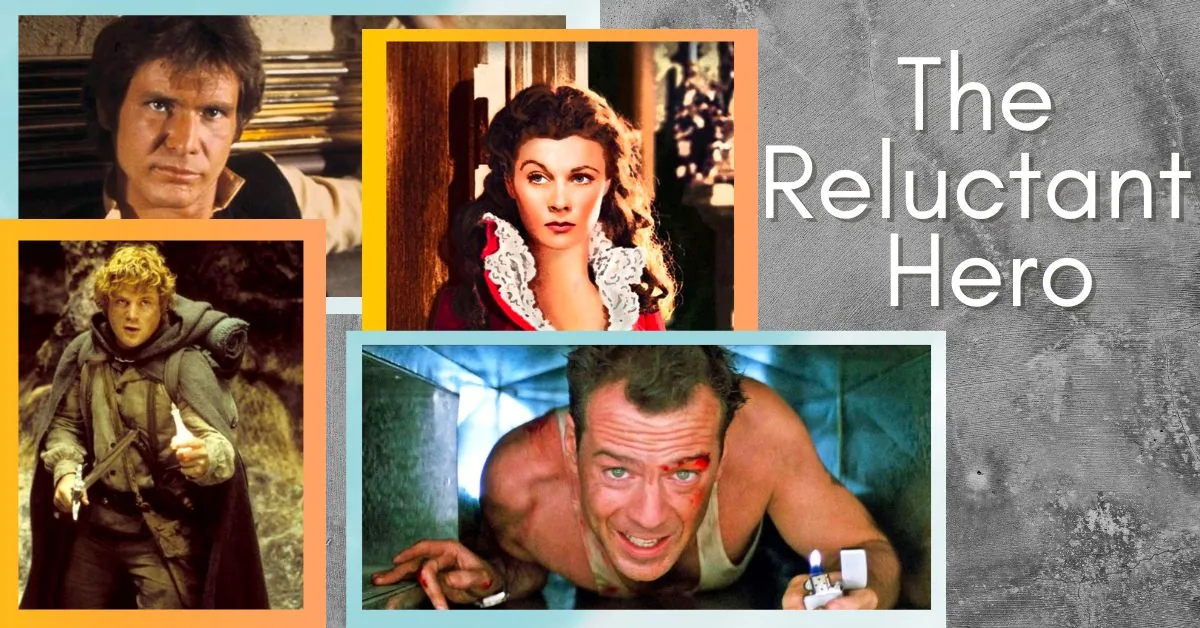
Understanding the willing hero is easier when compared with the reluctant hero. While a reluctant hero may initially resist their destiny or responsibility, the willing hero embraces it from the outset.
-
Frodo Baggins (The Lord of the Rings): Frodo begins his journey reluctantly, representing the reluctant hero archetype.
-
Superman (DC Universe): Contrastingly, Superman willingly acts whenever injustice arises, embodying the willing hero archetype.
Both archetypes serve different narrative functions. The reluctant hero highlights growth and transformation, while the willing hero models immediate courage and proactive morality.
Superheroes as Modern Willing Heroes
Superhero narratives often exemplify the willing hero archetype. By definition, superheroes accept extraordinary responsibility, often at great personal cost:
-
Iron Man (Marvel Universe): Tony Stark takes on the role of protector, using his intelligence and resources to safeguard humanity.
-
Captain Marvel (Marvel Universe): Carol Danvers embraces her powers and fights for justice, embodying willingness and initiative.
-
Black Panther (Marvel Universe): T’Challa’s acceptance of kingship and protection of Wakanda reflects proactive responsibility and courage.
These modern heroes continue the literary and mythic tradition, showing that the willing hero archetype remains relevant in contemporary storytelling.
The Role of the Willing Hero in Storytelling
The willing hero serves multiple narrative purposes:
-
Catalyst for Action: Their proactive choices often drive the plot forward.
-
Moral Compass: They provide ethical guidance and exemplify virtues for other characters and the audience.
-
Inspiration for Audience Engagement: Audiences are drawn to their bravery and often project themselves into the hero’s journey.
-
Contrast to Villains: By willingly confronting danger, heroes highlight the ethical failings of antagonists.
Through these roles, willing heroes not only entertain but also shape cultural ideals and values.
Literary Techniques to Portray Willing Heroes
Writers and filmmakers use various techniques to portray willing heroes effectively:
-
Internal Monologue: Provides insight into their courage, motives, and ethics.
-
Symbolic Actions: Sacrifices, daring rescues, or moral decisions visually and narratively reinforce heroism.
-
Character Relationships: Interactions with mentors, peers, and antagonists reveal integrity and willingness.
-
Challenges and Obstacles: The hero’s proactive response to adversity highlights their courage and commitment.
These techniques ensure that audiences understand the hero’s willingness and are emotionally invested in their journey. Those exploring inspiring roles often see Who Is Ava Wood and Who Is Buelas Boyfriend in With the Fire on High.
Willing Heroes Across Cultures
The archetype of the willing hero is not limited to Western storytelling. Across cultures, heroes who embrace responsibility and act courageously appear in myths, legends, and folklore:
-
Sun Wukong (Journey to the West, China): Initially mischievous, he ultimately chooses to assist the monk Tripitaka, reflecting heroic willingness.
-
Arjuna (Mahabharata, India): While initially hesitant, Arjuna embraces his duty as a warrior, exemplifying ethical and willing heroism.
-
Hercules (Greek Mythology): His labors often represent proactive courage and self-sacrifice for greater good.
These cross-cultural examples highlight the universality and timelessness of the willing hero archetype.
The Enduring Appeal of the Willing Hero
A willing hero is more than just a character type; they are a reflection of human ideals, courage, and moral responsibility. Whether in literature, film, animation, or folklore, these heroes inspire, entertain, and teach audiences about bravery, ethics, and the importance of proactive action.
Key takeaways include:
-
Willing heroes embrace responsibility and act courageously.
-
They appear across genres, from literary classics to modern superhero films.
-
Their psychological appeal stems from aspiration, inspiration, and moral clarity.
-
The archetype is universal, appearing in cultures worldwide and in both historical and contemporary storytelling.
In essence, a willing hero embodies the best of humanity. By studying and celebrating these characters, audiences can not only enjoy compelling narratives but also reflect on how courage, integrity, and willingness to act shape our own lives.