Traveling between Riyadh and Cairo offers a fascinating journey that connects the Arabian Peninsula with North Africa. The route takes travelers through vast deserts, historic trade paths, and culturally rich cities that reflect centuries of civilization. Along the way, there are opportunities to explore ancient landmarks, religious sites, and traditional towns. The journey also showcases changing landscapes, from arid deserts to coastal views near the Red Sea. Each stop adds depth and meaning to the trip beyond simple transportation. With thoughtful planning, the Riyadh–Cairo route becomes an enriching blend of history, culture, and discovery.
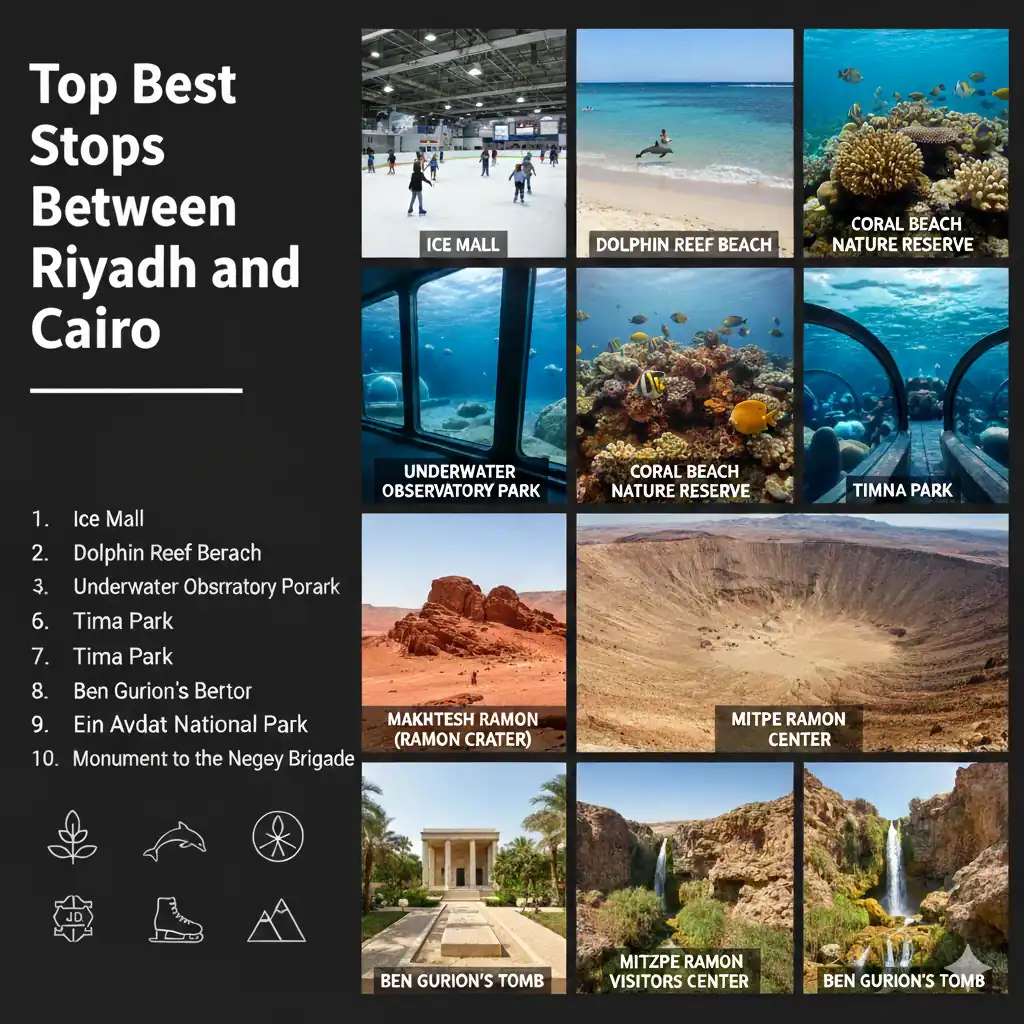
Top best Stops Between Riyadh and Cairo
Traveling between Riyadh and Cairo includes several memorable stops that highlight the region’s history and natural beauty. Key stops may include Tabuk for its historical sites, Aqaba for Red Sea views, and Petra for ancient architecture and culture. Coastal areas along the Red Sea offer relaxing breaks with scenic landscapes. Historic towns and desert landmarks provide insight into old trade routes. These stops transform the Riyadh–Cairo journey into a culturally rich and visually rewarding experience.
1. Ice Mall
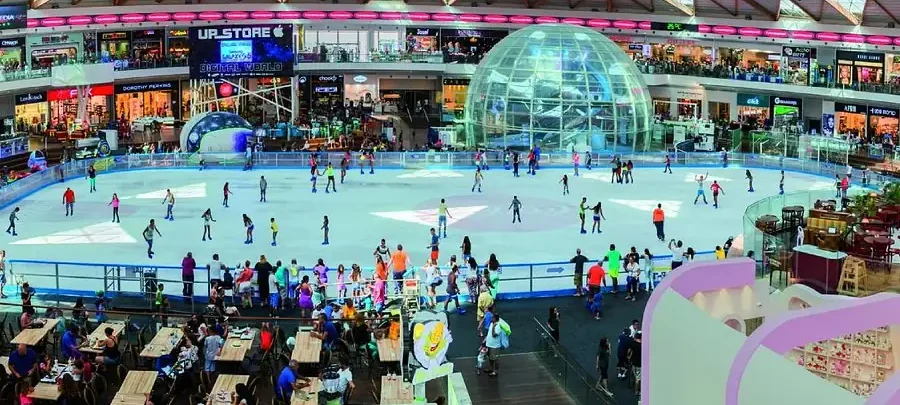
Ice Mall is one of the most unique shopping destinations in Eilat, Israel, known for its circular design and indoor ice-skating rink. The skating arena sits at the center of the mall and can be viewed from surrounding cafés and restaurants. The mall offers a wide range of international and local brands, including fashion, cosmetics, electronics, and souvenirs. Entertainment options such as virtual reality games, a mirror maze, rope park, and kids’ attractions make it family-friendly. Ice Mall is especially lively during weekends and holiday seasons. It usually opens from late morning until late evening. Visitors can combine shopping with dining and entertainment in one place. Address: Kampen St 8, Eilat 88000, Israel.
2. Dolphin Reef Beach
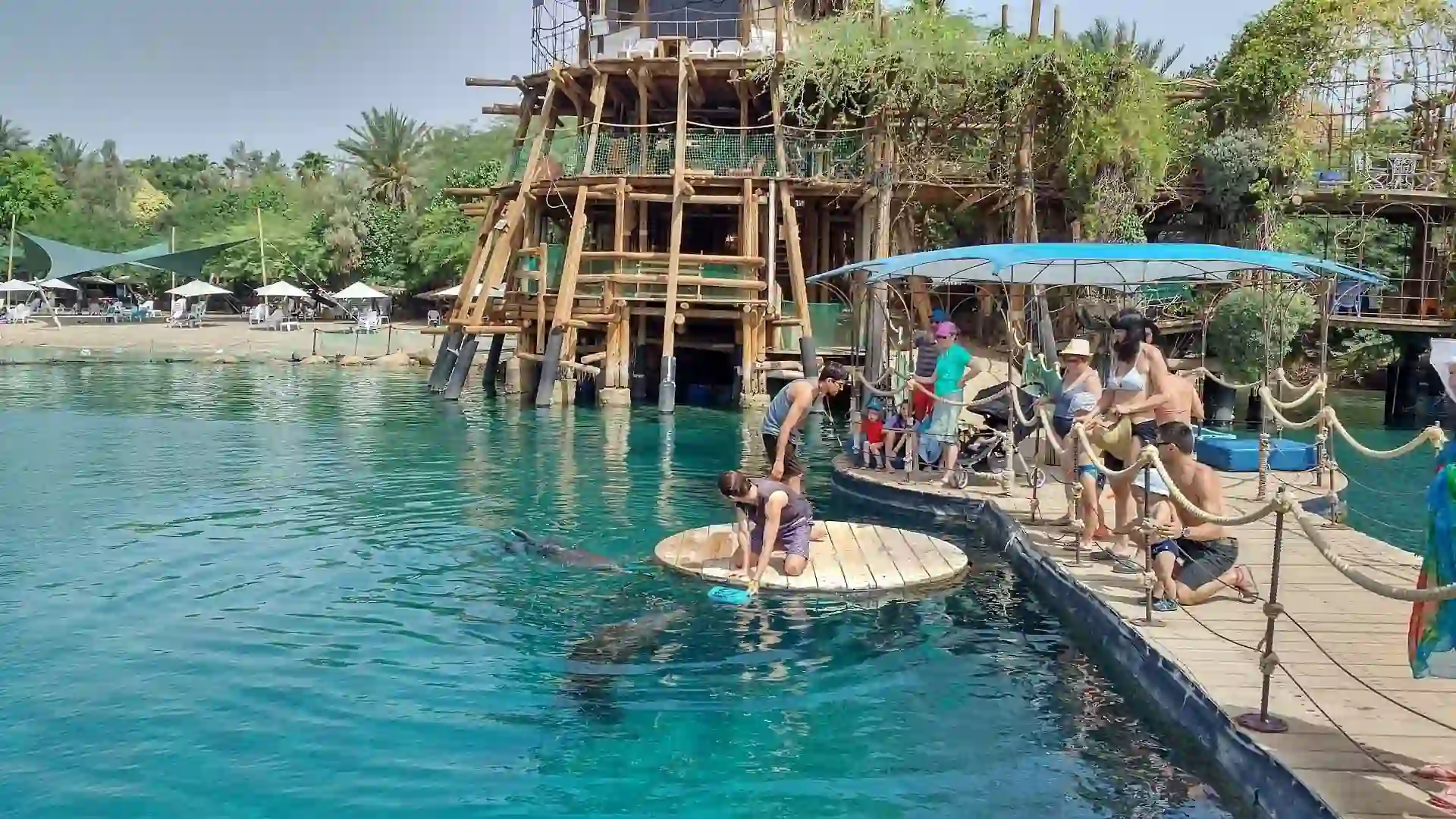
Dolphin Reef Beach is a unique marine attraction where visitors can observe dolphins in a semi-natural environment. Located south of Eilat’s main tourist area, this private beach offers a peaceful and eco-friendly experience. Guests can relax on shaded loungers or enjoy swimming, snorkeling, and diving near the dolphins. The site emphasizes conservation and respectful interaction with marine life. Clear waters and beautiful surroundings make it ideal for nature lovers. The beach is open daily, with limited entry to manage crowds. Early visits are recommended for a calm experience. Address: Dolphin Reef, Eilat, Israel.
3. Coral Beach Nature Reserve
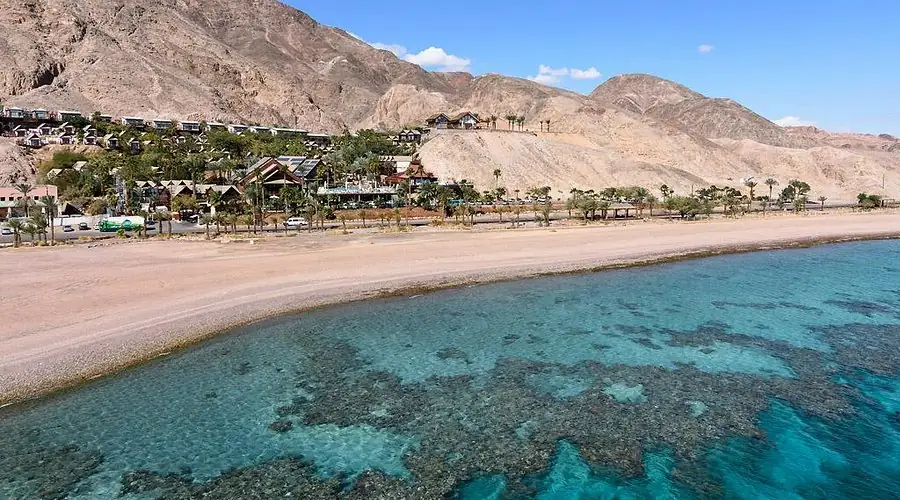
Coral Beach Nature Reserve is one of the most spectacular snorkeling and diving spots in Israel. It is home to the northernmost coral reef in the world, featuring colorful fish and vibrant marine life. The reserve is well-maintained, with designated swimming areas to protect the coral ecosystem. Facilities include showers, restrooms, shaded seating, and snack bars. Lifeguards are present, making it safe for families and beginners. The reserve is open daily, with an entry fee required. It is best visited during morning hours for clear visibility. Address: Coral Beach, Eilat, Israel.
4. Underwater Observatory Park
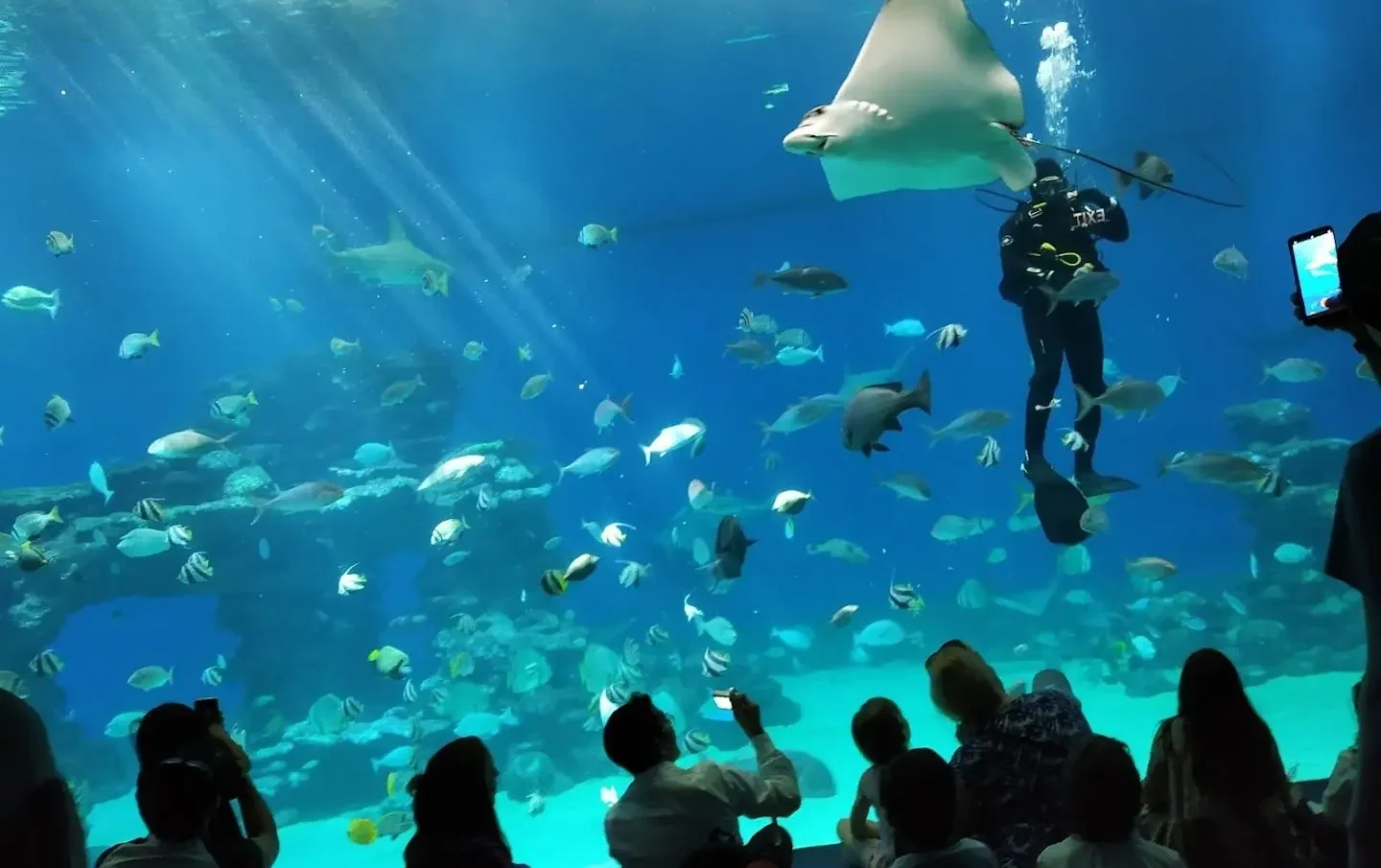
The Underwater Observatory Park is a must-visit attraction located within the Coral Reserve area. It allows visitors to explore marine life without getting wet through underwater viewing galleries. The park features large aquariums, a shark exhibit, sea turtle pools, and interactive displays. One of its highlights is the observatory tower that descends below sea level. Educational presentations and 3D shows add to the experience. Tickets are usually valid for multiple days, offering great value. The park is suitable for all age groups. Address: Coral Beach Area, Eilat, Israel.
5. Timna Park
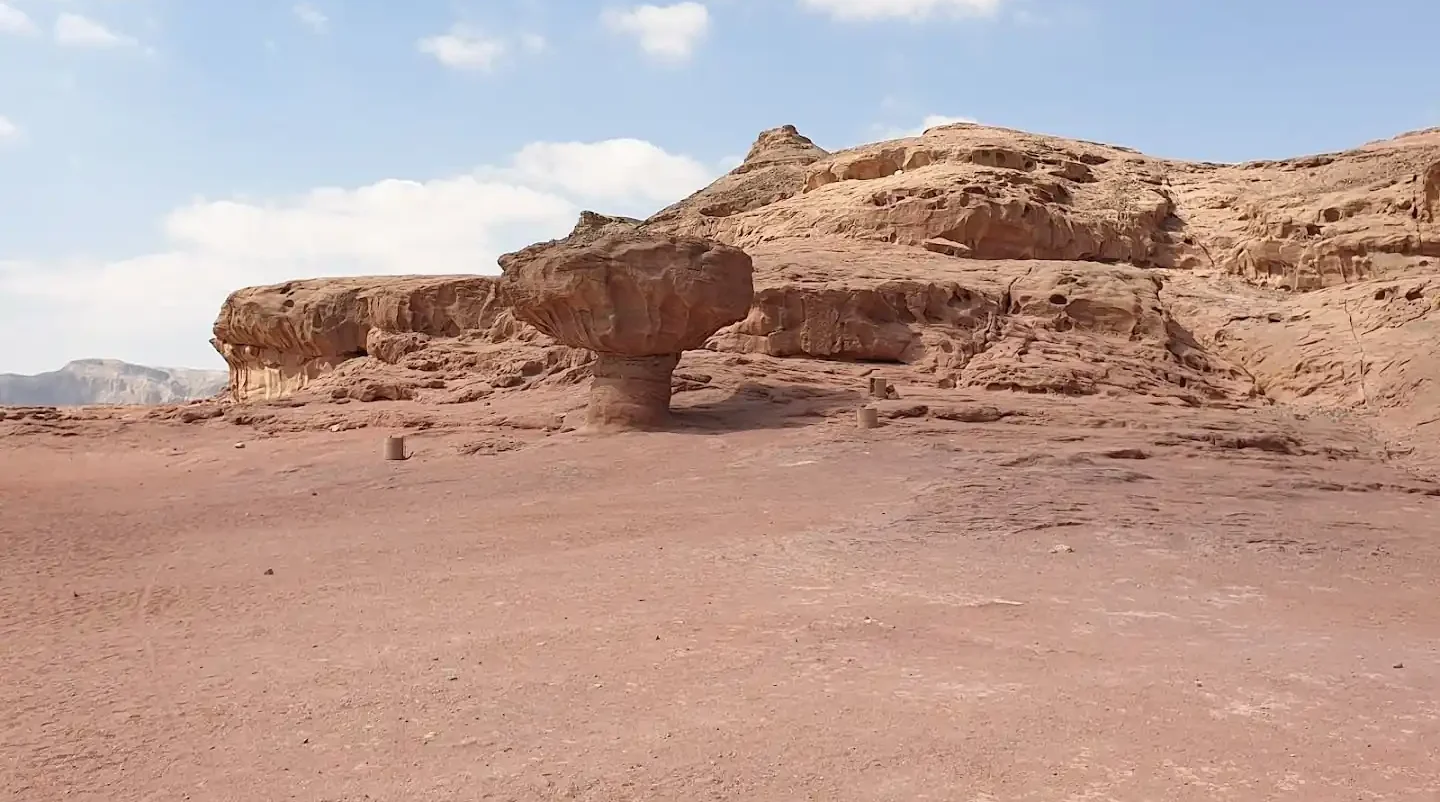
Timna Park is a vast desert park located north of Eilat, famous for its dramatic rock formations and ancient copper mines. The park showcases stunning landscapes with red cliffs, arches, and geological wonders. Visitors can explore hiking trails, picnic areas, and archaeological sites. It is also connected to ancient trade routes and historical mining activities. The park is well-maintained but visitors should carry food and water. Timna Park is open daily, with reduced hours on Fridays. It is ideal for photography and nature exploration. Address: Timna Park, Southern Israel. Discover urban adventures through Best Stops Between Riyadh and Jeddah and Best Stops Between Riyadh and Muscat.
6. Makhtesh Ramon (Ramon Crater)
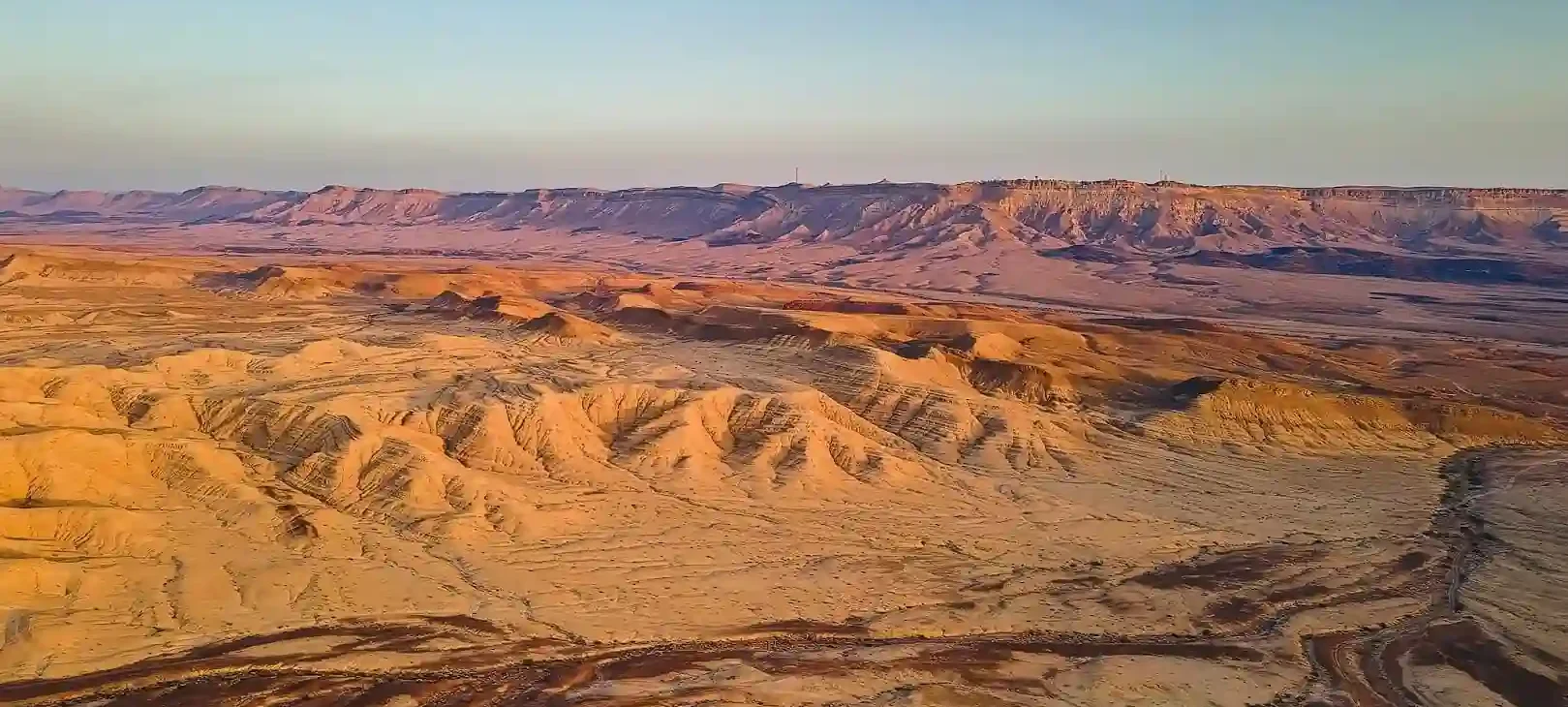
Makhtesh Ramon is the largest erosion crater in the world, located in Israel’s Negev Desert. Stretching over 40 kilometers, it offers breathtaking panoramic views and a surreal landscape. Visitors can explore the crater through hiking trails, jeep tours, and lookout points. The colorful rock layers reveal millions of years of geological history. Sunrise and sunset views are especially stunning. The area is open year-round and best explored with guided tours. It is a highlight for adventure and nature lovers. Address: Mitzpe Ramon, Negev Desert, Israel.
7. Mitzpe Ramon Visitors Center
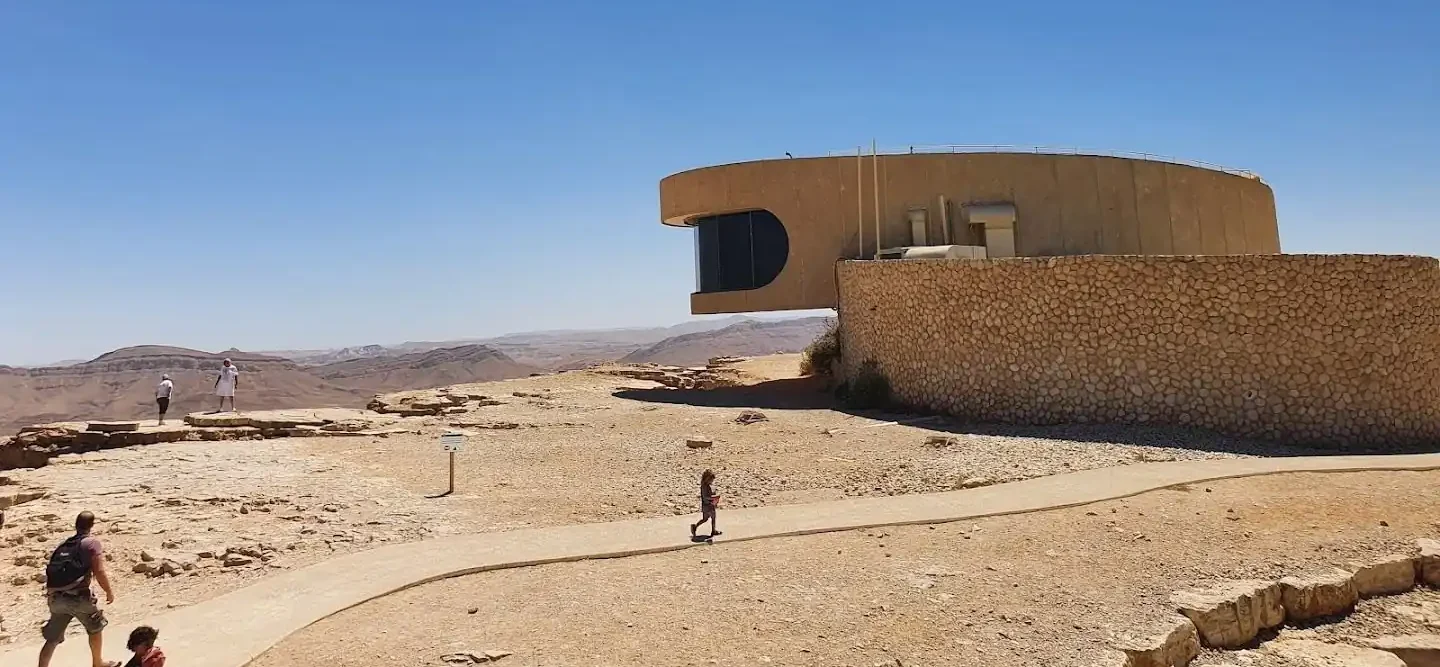
The Mitzpe Ramon Visitors Center sits on the edge of Makhtesh Ramon and provides educational insight into the crater’s formation. The center also serves as a memorial to Ilan Ramon, Israel’s first astronaut. Interactive exhibits explain geological processes, desert wildlife, and regional history. A short documentary enhances the learning experience for visitors. The viewing platform offers spectacular views over the crater. The center is well-organized and family-friendly. Opening hours vary by season. Address: Ma’ale Ben Tur St 1, Mitzpe Ramon, Israel.
8. Ben Gurion’s Tomb
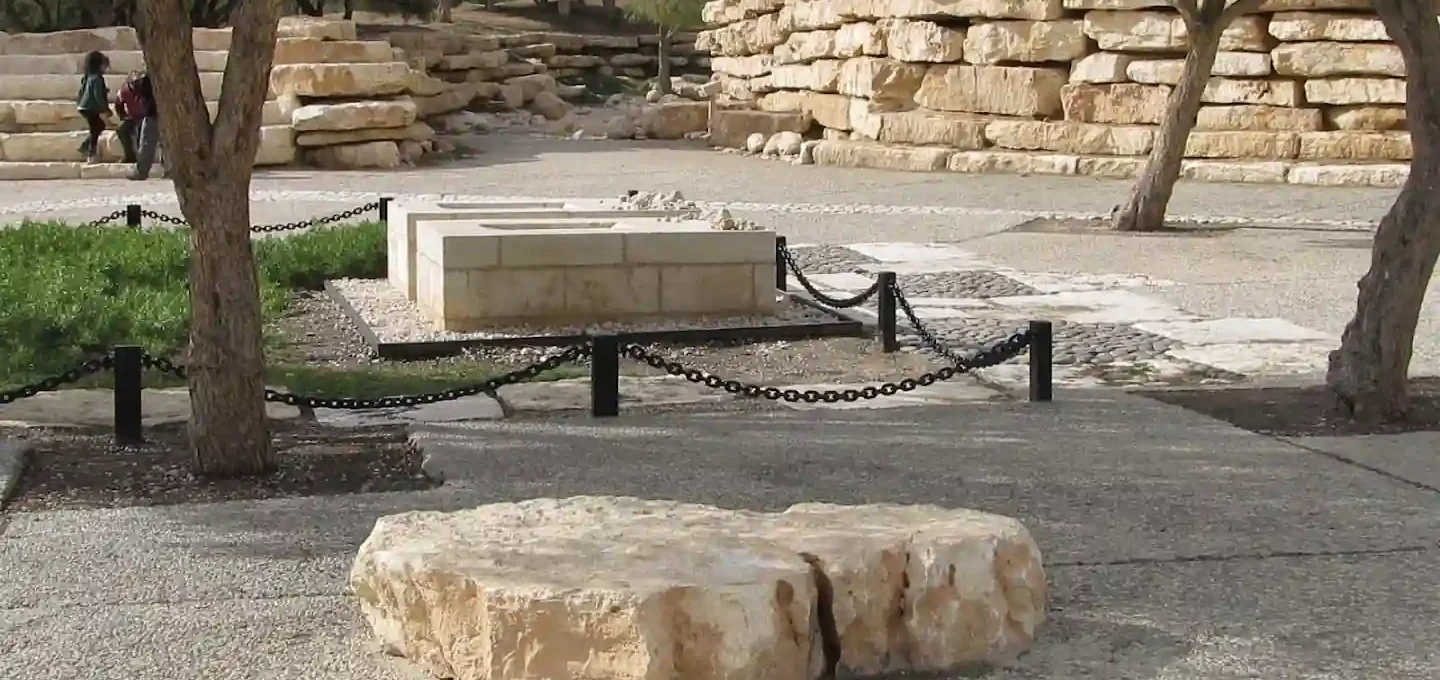
Ben Gurion’s Tomb is a quiet and meaningful historical site overlooking the Zin Valley in southern Israel. It is the burial place of David Ben-Gurion, Israel’s first Prime Minister, and his wife Paula. The site offers scenic desert views and a peaceful atmosphere for reflection. A short walking path leads from the parking area to the viewpoint. Nearby trails connect to Ein Avdat National Park. The site is free to visit and open daily. It is ideal for short, meaningful stops. Address: Midreshet Ben-Gurion, Israel.
9. Ein Avdat National Park
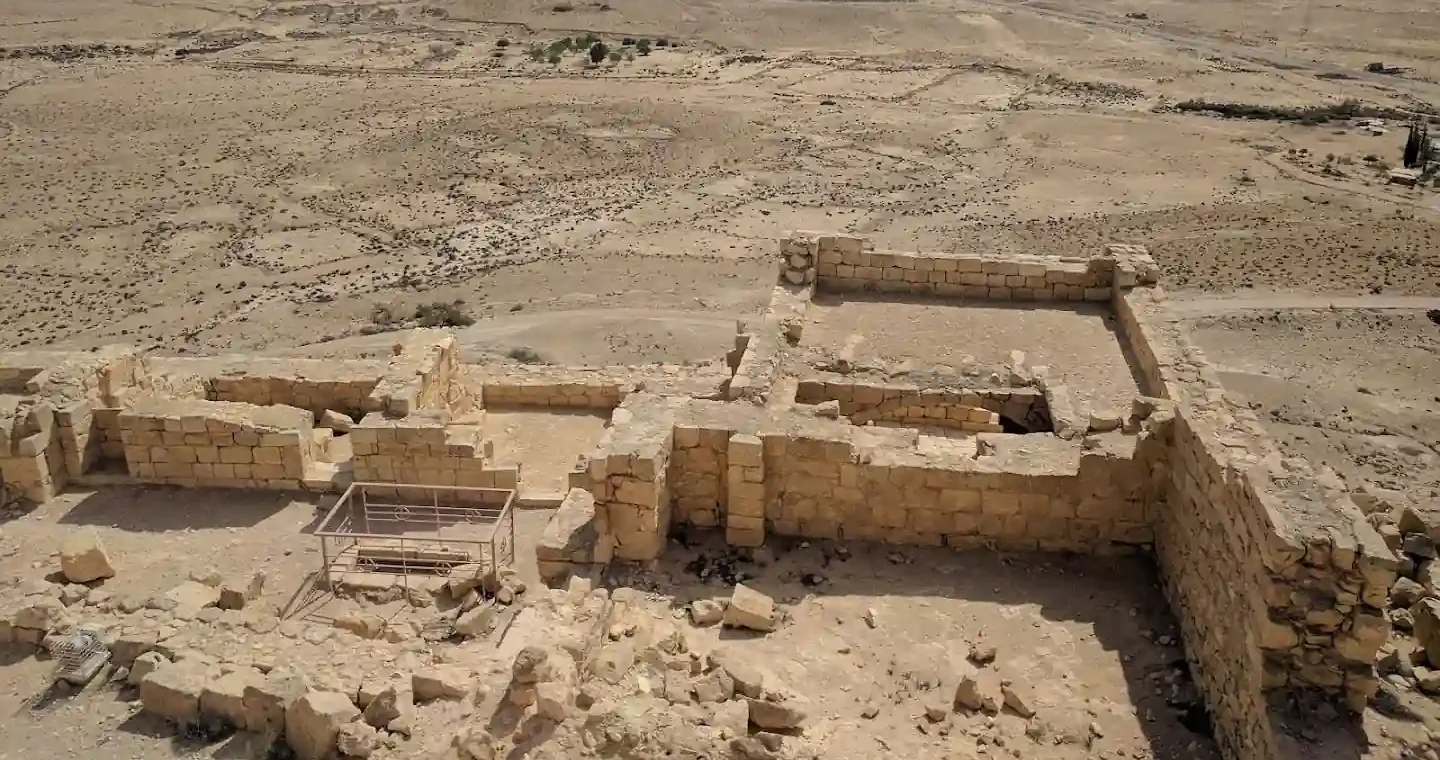
Ein Avdat National Park is a stunning desert canyon known for its cliffs, caves, and flowing stream. The park features archaeological remains of an ancient Nabataean city along the Incense Route. Visitors can hike scenic trails through narrow gorges and natural pools. Wildlife such as ibex and birds can often be spotted. The park offers well-marked paths, though some routes require good fitness. Swimming is not recommended in certain areas. The park is open daily with an entrance fee. Address: Midreshet Ben-Gurion, Israel.
10. Monument to the Negev Brigade
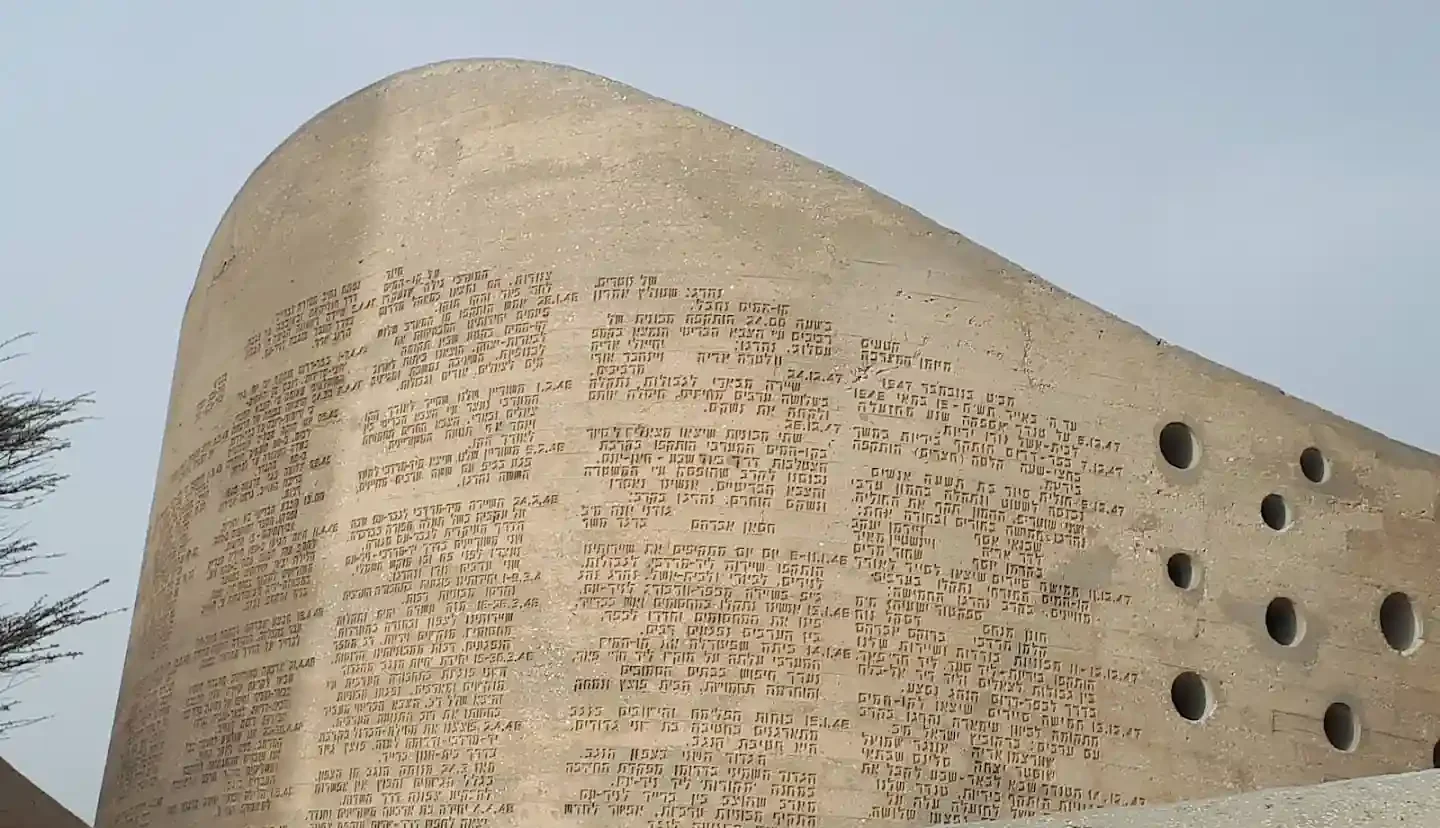
The Monument to the Negev Brigade is a powerful memorial located near Beersheba. Designed by artist Dani Karavan, it honors Palmach soldiers who fell during the 1948 war. The monument is made of raw concrete structures symbolizing communication, defense, and sacrifice. Visitors can walk through the open-air installation and explore its symbolic elements. The elevated location offers views over the desert landscape. It is open at all times and free to visit. The site combines history, art, and architecture. Address: Beersheba, Israel.
11. Camel Ranch, Israel
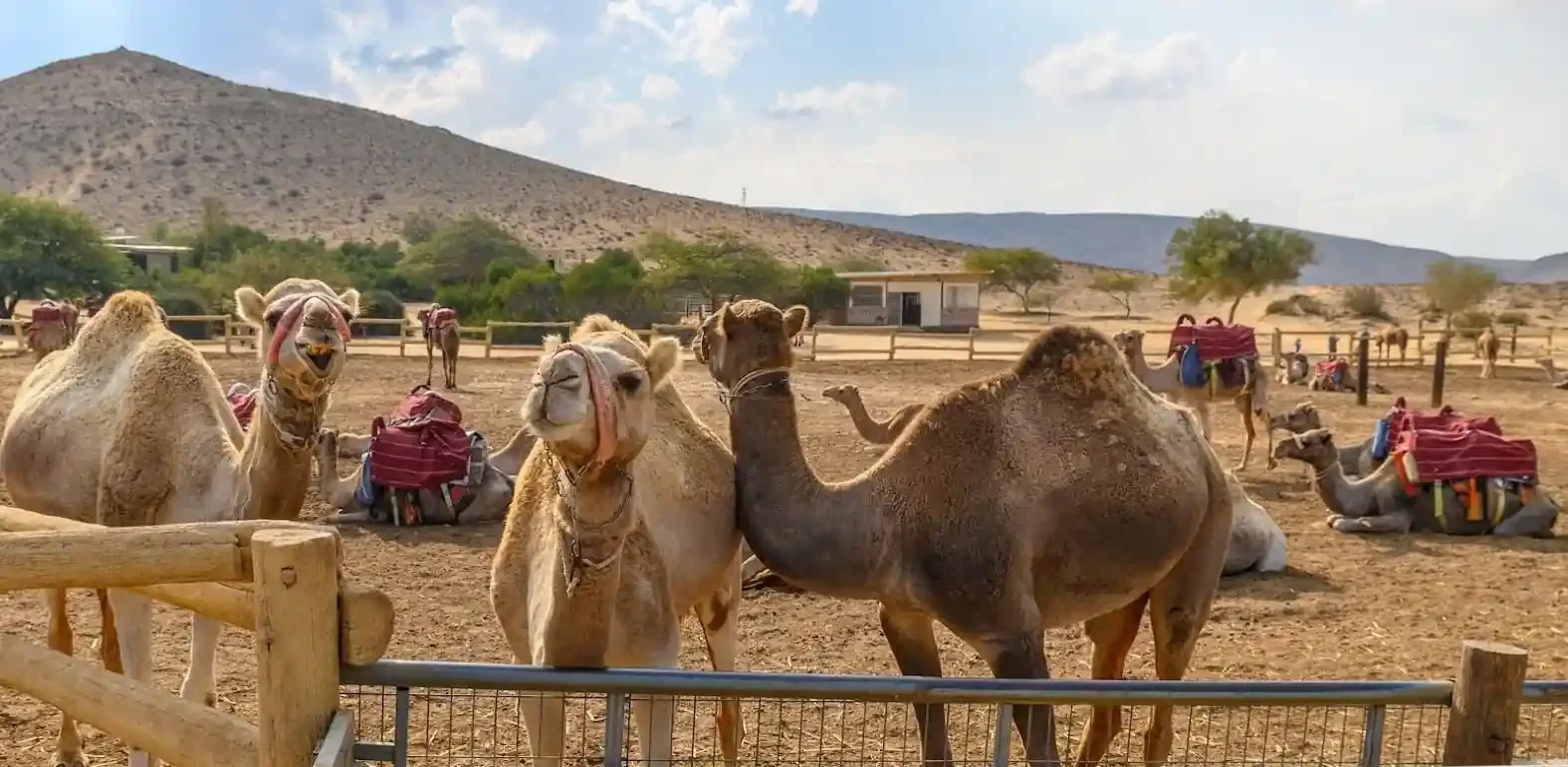
Camel Ranch offers a unique desert experience through guided camel rides and outdoor activities. Located in southern Israel, it provides scenic views and well-organized tours led by professional guides. Visitors can enjoy sunset rides, desert hospitality, and cultural insights. The camels are well cared for, ensuring a safe and comfortable experience. Activities are suitable for families, couples, and adventure seekers. Booking in advance is recommended, especially during peak seasons. It operates mostly during daylight hours. Address: Route 25, Near Dimona, Israel.
12. Yotvata Hai-Bar Nature Reserve
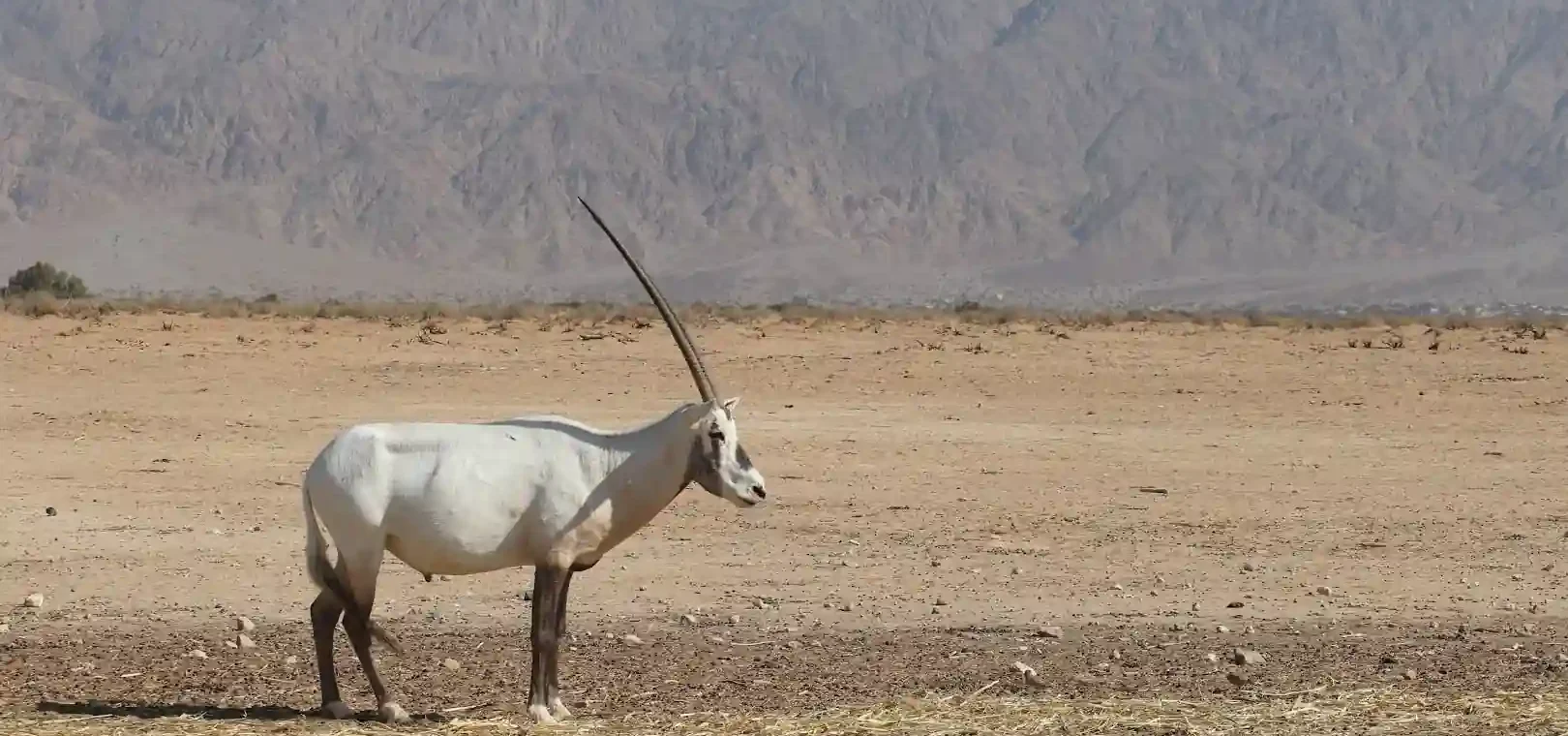
Yotvata Hai-Bar Nature Reserve is a wildlife conservation area focused on protecting endangered desert animals. Visitors explore the reserve through a self-drive safari-style route. Animals such as oryx, ostriches, and gazelles roam freely within protected zones. The reserve is educational and suitable for children. Visitors must stay inside their vehicles during the tour. The reserve is open daily with specific visiting hours. It is an excellent stop for wildlife enthusiasts. Address: Yotvata Area, Southern Israel.
13. Jabal Mousa (Mount Sinai)
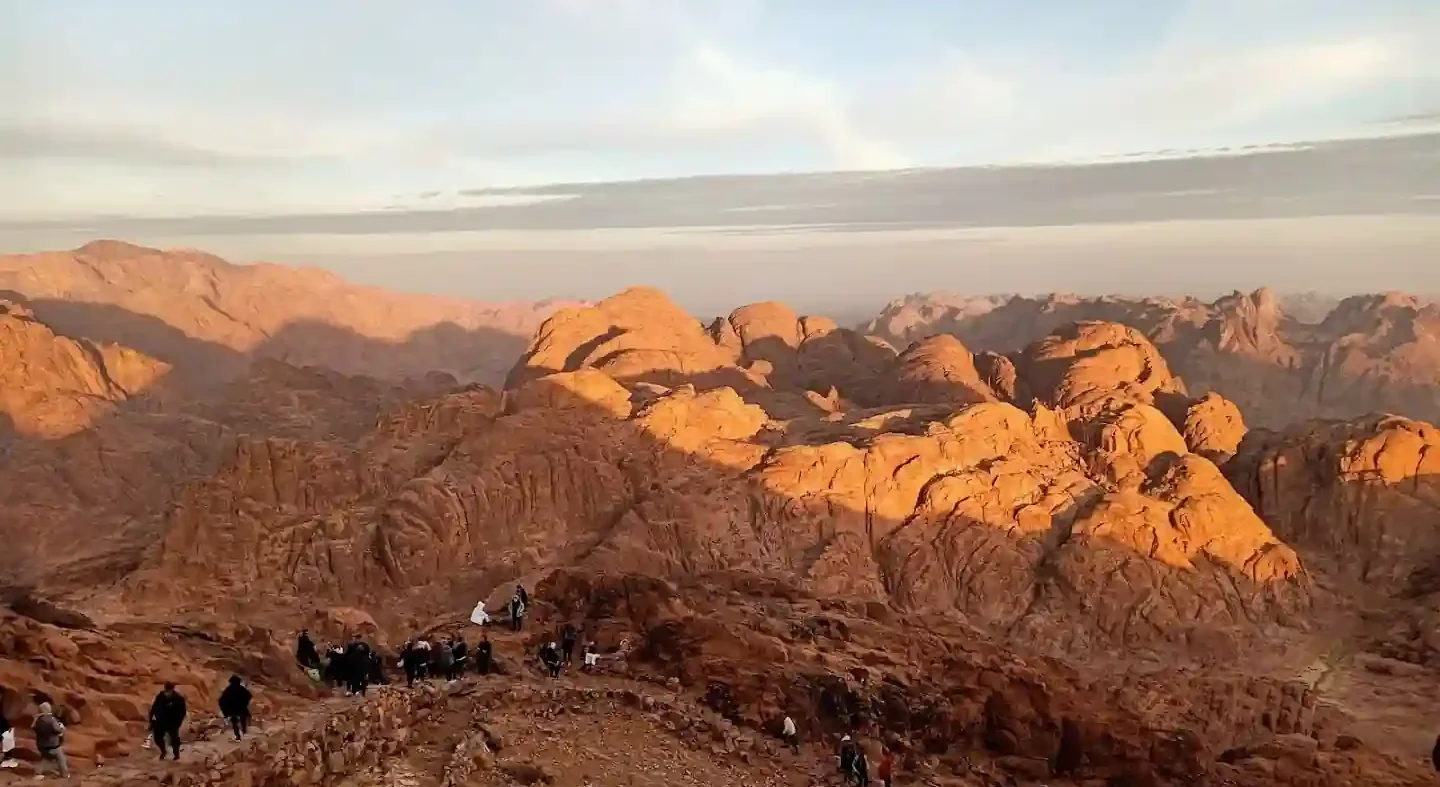
Jabal Mousa, also known as Mount Sinai, is one of the most spiritually significant mountains in the world. It is believed to be the place where Prophet Musa (Moses) received the Ten Commandments. The mountain attracts pilgrims and hikers from around the globe. The climb is usually done at night to witness sunrise at the summit. Bedouin guides assist visitors during the hike. The experience is both physically and spiritually rewarding. Entry requires coordination with local authorities. Address: Saint Catherine, South Sinai, Egypt.
14. Saint Catherine’s Monastery
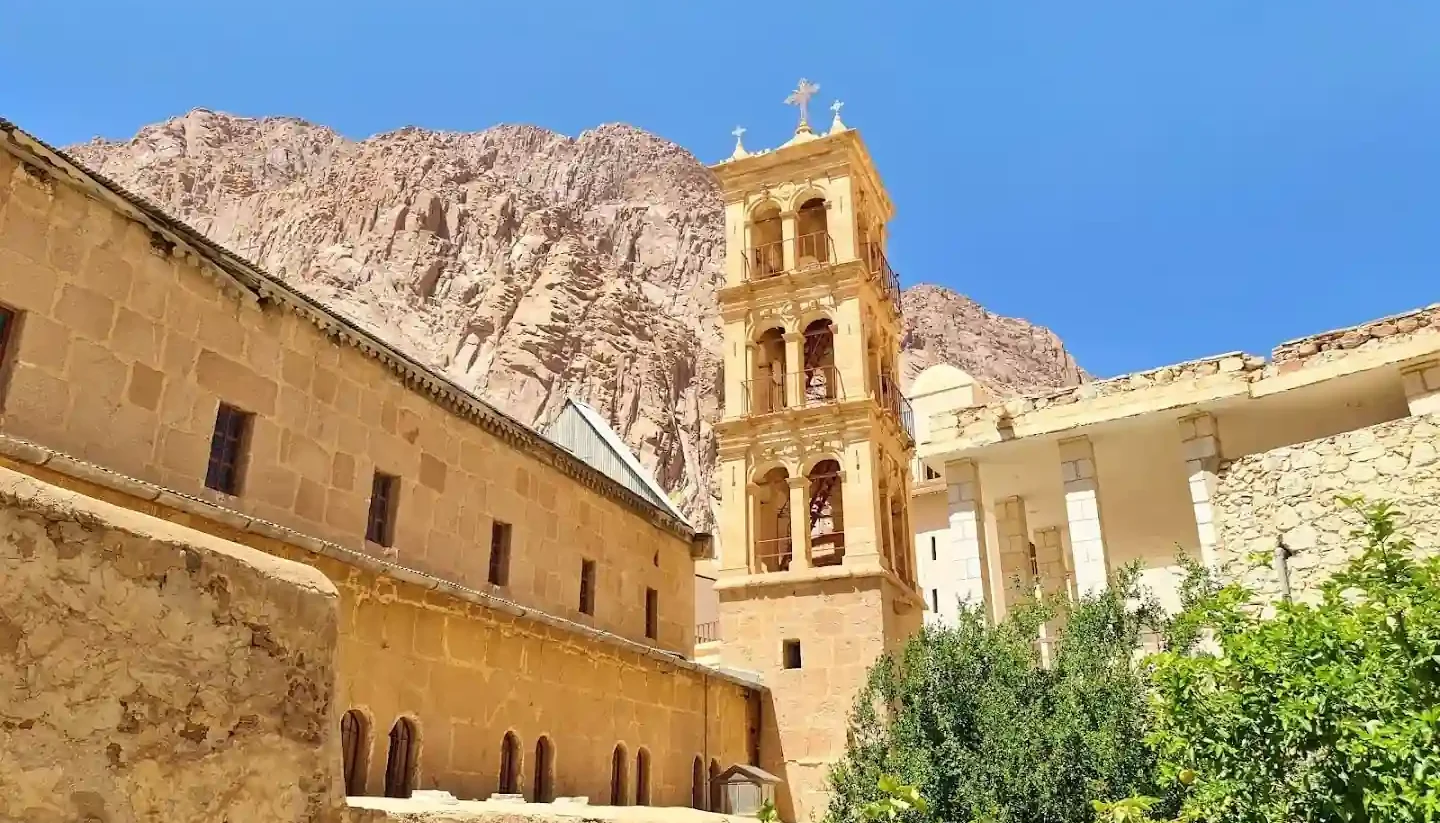
Saint Catherine’s Monastery is one of the oldest continuously operating Christian monasteries in the world. Located at the base of Mount Sinai, it dates back to the 4th century. The monastery houses ancient manuscripts, icons, and the famous Burning Bush site. It holds religious significance for Christians, Muslims, and Jews alike. Visitors must dress modestly and respect religious customs. Visiting hours are limited to morning times. Guided visits enhance the experience. Address: Saint Catherine, South Sinai Governorate, Egypt.
15. Colored Canyon
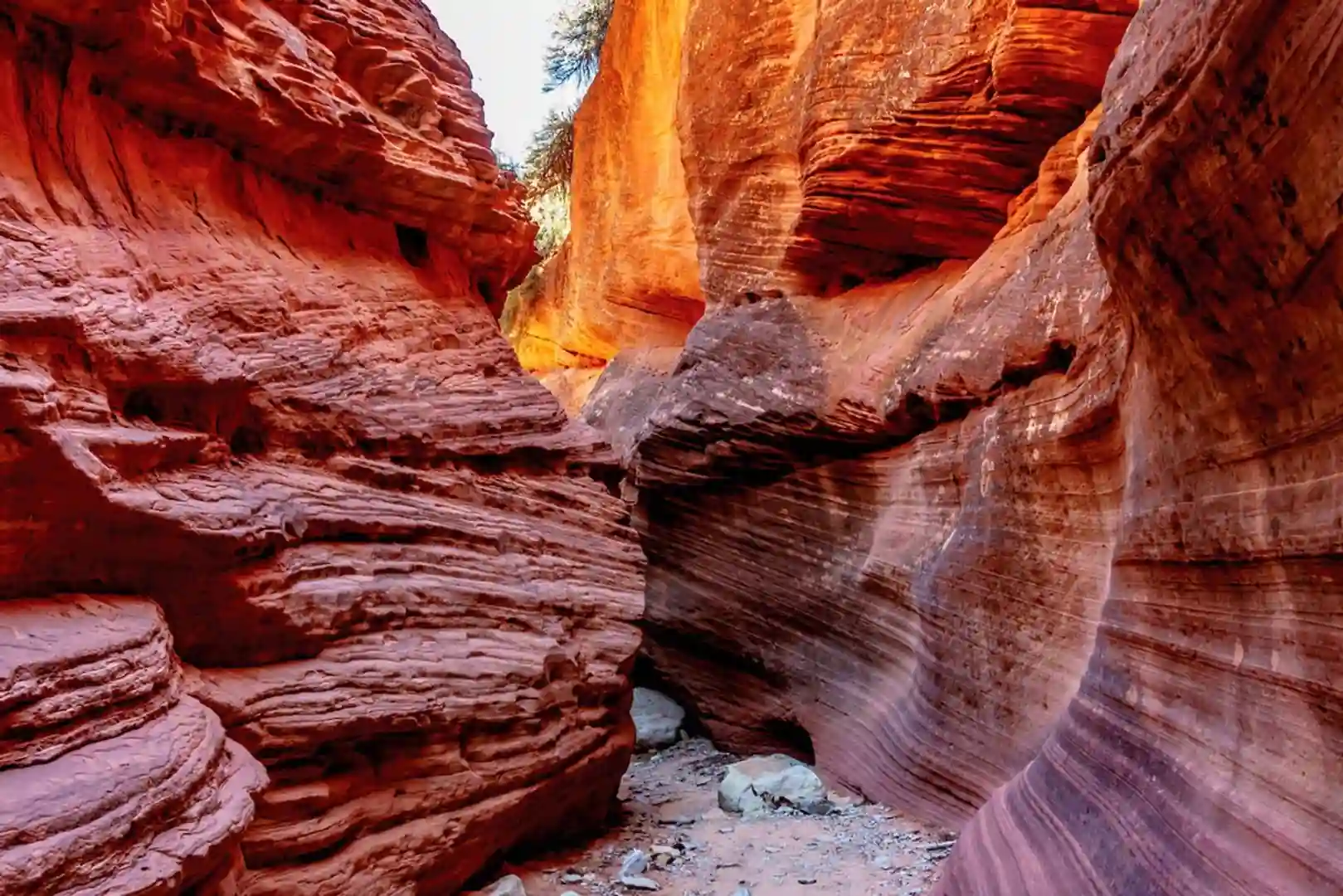
Colored Canyon is a natural wonder located near Taba in the Sinai Peninsula. The canyon is famous for its layered sandstone formations in shades of red, yellow, purple, and pink. Visitors explore the narrow passages on guided walking tours. The journey often includes a jeep safari through desert terrain. It is a popular stop for adventure and photography lovers. The canyon can become crowded during peak seasons. Early visits are recommended for a better experience. Address: Near Taba, South Sinai Governorate, Egypt.