
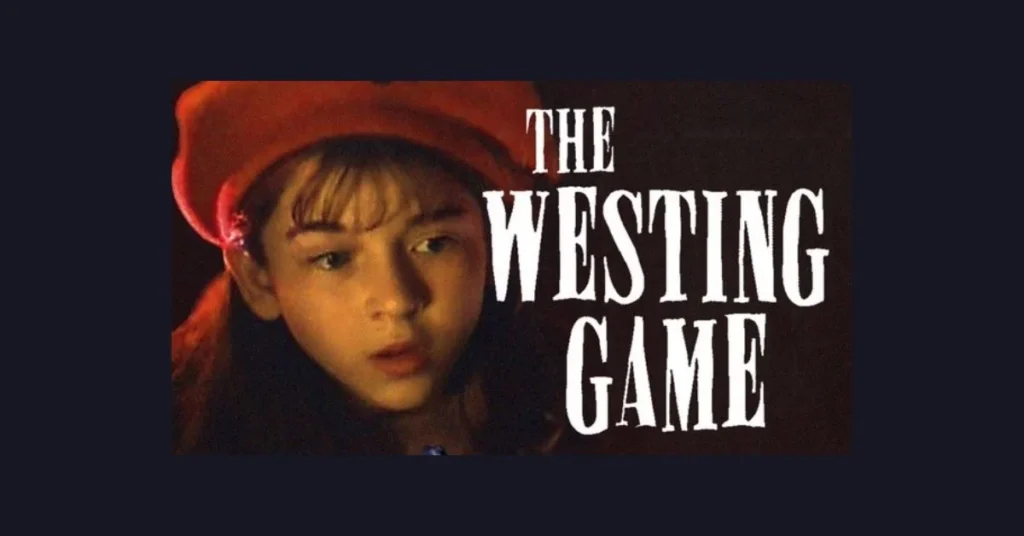
The Westing Game: Who Is the Killer? Ellen Raskin’s The Westing Game is a beloved mystery novel that has intrigued readers, students and adults alike, for decades. Known for its clever plot twists, eccentric characters, and a suspenseful puzzle, one of the most frequently asked questions is: who is the killer in the Westing Game?
This guide explores the solution to the mystery, delves into the characters, examines the story’s ending, and explains the literary twists that make the novel a classic in student and young adult reading lists.
Table of Contents
ToggleOverview of The Westing Game
Published in 1978, The Westing Game follows sixteen heirs who are invited to the reading of the will of the wealthy and mysterious Samuel W. Westing. The reading comes with a challenge: solve the mystery of who killed Sam Westing to inherit his fortune. At first glance, the story reads like a classic whodunit. However, Raskin’s novel stands out for its complex narrative structure. Each character has a distinct personality, and their interactions create layers of intrigue. From the ambitious Turtle Wexler to the curious Sandy McSouthers, every player seems to have secrets to hide.
Characters Central to the Mystery
Understanding the potential suspects is key to grasping the solution. Some notable figures include:
-
Turtle Wexler: Young, clever, and determined, she has a knack for puzzles and critical thinking.
-
Sandy McSouthers: The building’s doorman, initially presented as a benign character with a mysterious past.
-
J.J. Ford: A smart, composed judge who evaluates clues rationally.
-
Sam Westing: The enigmatic millionaire whose “death” sets the entire game in motion.
Each character is developed with traits that both distract and direct the reader toward potential conclusions, creating a literary game of observation.
The Killer in The Westing Game: Explained
A common misconception is that a single murderer exists. In truth, Sam Westing orchestrated his own “death” as part of an elaborate ruse. Westing was never truly killed; he adopted multiple disguises throughout the novel to manipulate the heirs and observe their reactions. His goal was to teach the participants lessons about greed, honesty, and character.
The twists in the narrative are clever:
-
The so-called “victim” is, in fact, the architect of the entire puzzle.
-
The appearance of danger and murder serves as a motivator for the characters to reveal their true selves.
-
The novel emphasizes intellect and morality over mere suspicion.
How the Mystery Unfolds
Raskin’s storytelling gradually reveals clues, challenging readers to solve the puzzle alongside the characters. Some techniques include:
-
Clue misdirection: Items, letters, and interactions seem suspicious but are often red herrings.
-
Hidden identities: Sam Westing uses multiple personas, including Sandy McSouthers and Julian R. Eastman, making the plot layered.
-
Strategic interactions: The “heirs” pair off in unusual ways, learning teamwork and exposing personal motives.
By the time the final reveal occurs, the story emphasizes a broader lesson: the search for truth is as important as the outcome itself.
Literary Twist and the Ending
The resolution is both surprising and satisfying. Turtle Wexler and other characters learn that the real mastermind behind the “murder” was Sam Westing himself. The tension between expectation and reality mirrors the subtle moral lessons in the story:
-
Greed versus character: Only those who demonstrate integrity and ingenuity succeed.
-
Collaboration over individualism: Teamwork is essential to decipher the clues.
-
Perception versus reality: Not everything is as it seems, a motif common in literature exploring human behavior.
The final chapters highlight how Westing’s scheme rewards intelligence, creativity, and ethical decision-making, rather than mere suspicion or opportunism. Mystery lovers often explore Who Is Responsible for Conducting a Hazard Assessment and Who Is Portfolio Recovery Associates.
Themes and Moral Lessons
The book is more than a mystery; it’s a reflection on human nature, social dynamics, and ethical choices. Key themes include:
-
Identity and deception: The narrative plays with masks, both literal and metaphorical, showing how people hide their true selves.
-
Justice and fairness: Characters like J.J. Ford introduce a judicial lens, emphasizing reason over impulsive judgment.
-
Peace and balance: Like the Greek goddess Eirene or the Roman Pax, the story ultimately restores harmony after chaos, using Sam Westing’s orchestration as a metaphorical device to reconcile greed and morality.
Common Questions About the Killer
Is there a real killer in The Westing Game?
No. While the plot revolves around solving a murder, Sam Westing’s death is staged. The mystery is designed to teach lessons and challenge the heirs.
Who killed Sam Westing?
Technically, no one did. Sam orchestrated the events, taking on multiple identities to manipulate the outcomes.
What is the twist in The Westing Game?
The twist is that the apparent victim is the mastermind. The novel rewards analytical thinking and careful attention to character clues, rather than focusing on conventional crime-solving.
How the Story Encourages Critical Thinking
The Westing Game is often used in classrooms because it fosters logical reasoning and observation skills. Students are encouraged to:
-
Analyze motives behind actions.
-
Interpret misleading clues and red herrings.
-
Evaluate character traits to predict outcomes.
By integrating critical thinking exercises with an engaging narrative, the book becomes both educational and entertaining—a rare combination in young adult literature.
The Role of Humor and Storytelling
Raskin infuses humor throughout the story, often through quirky character behavior or ironic situations. These lighter moments balance the suspense and make the complex plot more approachable. The storytelling is clever: like the layered narratives of myth, the novel allows readers to see events from multiple perspectives, creating a sense of participation in the puzzle-solving process. The influence of mythological storytelling adds depth, making the resolution satisfying on both intellectual and emotional levels.
Why The Westing Game Remains Popular
Decades after its publication, the novel remains a favorite because:
-
The puzzle-like narrative appeals to readers who enjoy challenges.
-
Themes of morality, integrity, and teamwork resonate across generations.
-
The unique twist, where the victim is the orchestrator, keeps the story fresh for repeat readings.
-
Its combination of humor, mystery, and literary sophistication attracts both students and casual readers.
Understanding the Characters’ Motivations
Each heir in the novel has a distinct backstory that drives their actions:
-
Turtle Wexler is motivated by intellect and curiosity.
-
Theo Theodorakis values family and loyalty.
-
J.J. Ford operates with a sense of justice and fairness.
These motivations make the puzzle more than a simple “who-done-it”—it becomes a study of human behavior, ethics, and choices under pressure.
The Novel’s Impact in Literature
Ellen Raskin’s work is celebrated for how it blends:
-
Mystery genre conventions with literary depth.
-
Humor and suspense in a way that engages young readers.
-
Lessons on ethics and teamwork without being preachy.
The clever orchestration of Sam Westing as both victim and mastermind makes the story unique, leaving readers reflecting on the broader implications of deception, intelligence, and morality.
Conclusion
The Westing Game is a masterclass in mystery storytelling. The killer, as the central question suggests, is a deliberate red herring: Sam Westing himself stages the “murder” to test and teach the heirs. The story rewards careful observation, critical thinking, and attention to character development rather than simply identifying a culprit. By combining suspense, humor, ethical lessons, and layered storytelling, Raskin’s novel remains a timeless read, captivating students, educators, and mystery lovers alike. The final resolution restores harmony and balance, echoing the peaceful ideals represented by Eirene and Pax, making the story a meaningful journey beyond the puzzle itself. For anyone who has wondered “who is the killer in The Westing Game,” understanding that Sam Westing orchestrated everything adds richness to the narrative, showing that in literature, the journey often matters more than the destination.