

Few titles in literature and musical theater are as haunting, or as misunderstood, as Who Is the Angel of Music? The phrase itself sounds celestial, benevolent, almost divine. Yet behind it lies one of fiction’s most complex characters, shaped by genius, trauma, and longing. To understand who the Angel of Music truly is, we must step into the shadowed corridors of the Paris Opera House, where legend and reality intertwine, and where music becomes both salvation and control.
The Origin of the Angel of Music
The idea of the Angel of Music originates from Gaston Leroux’s 1910 gothic romance novel The Phantom of the Opera. Within the story, the term refers to a mysterious presence believed to guide and train a young soprano, Christine Daaé. Christine is told as a child that the “Angel of Music” would be sent to her by her deceased father, a talented violinist. When a hidden voice begins tutoring her from the darkness of the opera house, she accepts the explanation without question. To her, the Angel is not a metaphor, it is a guardian. This belief becomes the emotional and psychological foundation of the story.
Who Is the Angel of Music in The Phantom of the Opera?
At the heart of the mystery is Erik, the man known as the Phantom. Erik is not supernatural, though he cultivates that illusion carefully. He is a musical prodigy, architectural genius, and deeply scarred outcast who lives beneath the opera house. By disguising himself as a divine teacher, he gains access to Christine’s trust and devotion. So when people ask who is the Angel of Music in Phantom of the Opera, the answer is both simple and layered:
-
Literally: Erik, the Phantom
-
Symbolically: A projection of Christine’s grief, hope, and faith in music
The Angel of Music as a Character, Not Just a Name
The Angel of Music is not a separate being, it is a persona. Erik constructs this identity deliberately. He understands Christine’s vulnerability: she is young, talented, and mourning her father. By presenting himself as a divine mentor, he becomes irreplaceable in her emotional world. This dual identity, teacher and phantom, allows Erik to exist in two realms:
-
As a musical authority, shaping Christine’s voice
-
As a mythic presence, commanding fear and reverence within the opera house
In this way, the Angel of Music becomes one of the most psychologically rich musical theater characters ever created.
Why Is the Phantom Called the Angel of Music?
The title serves multiple purposes within the narrative. First, it reflects Erik’s extraordinary musical ability. His understanding of composition, vocal technique, and harmony borders on the superhuman. To Christine, his lessons feel transcendent, almost divine. Second, it allows Erik to hide. By adopting a spiritual identity, he avoids being seen as a man, especially a man disfigured and rejected by society. Finally, the title represents power through belief. Once Christine believes in the Angel of Music, Erik controls not just her training, but her perception of reality.
Who Is the Angel of Music to Christine Daaé?
To Christine, the Angel of Music is not a villain, at least not at first. He is:
-
A link to her father
-
A protector in a hostile world
-
A voice that believes in her talent when others overlook her
Her devotion is rooted in innocence rather than romance. She does not initially see the Angel as a man, but as a force of guidance. This distinction is crucial to understanding her eventual disillusionment. When Christine finally unmasks Erik, literally and emotionally, the Angel of Music ceases to exist. What remains is a tragic human being.
Angel of Music Meaning: Symbolism and Themes
Beyond the plot, the Angel of Music carries deep symbolic weight. Those intrigued by musical symbolism also learn about credit bureau financial codes and faith-based guidance topics.
Music as Salvation and Control
Music elevates Christine, giving her purpose and identity. But under Erik’s influence, it also becomes a tool of manipulation. This duality reflects one of the novel’s central themes: art can liberate or imprison.
Faith Versus Reality
Christine’s belief mirrors religious faith. The Angel of Music functions like a personal deity, unseen, authoritative, and unquestioned. When that faith collapses, she must confront truth, loss, and autonomy.
Beauty and the Unseen
The Angel of Music teaches Christine to value sound over sight, echoing Erik’s own existence, brilliant yet hidden. The title challenges society’s obsession with appearance.
The Phantom of the Opera Musical and the Angel of Music
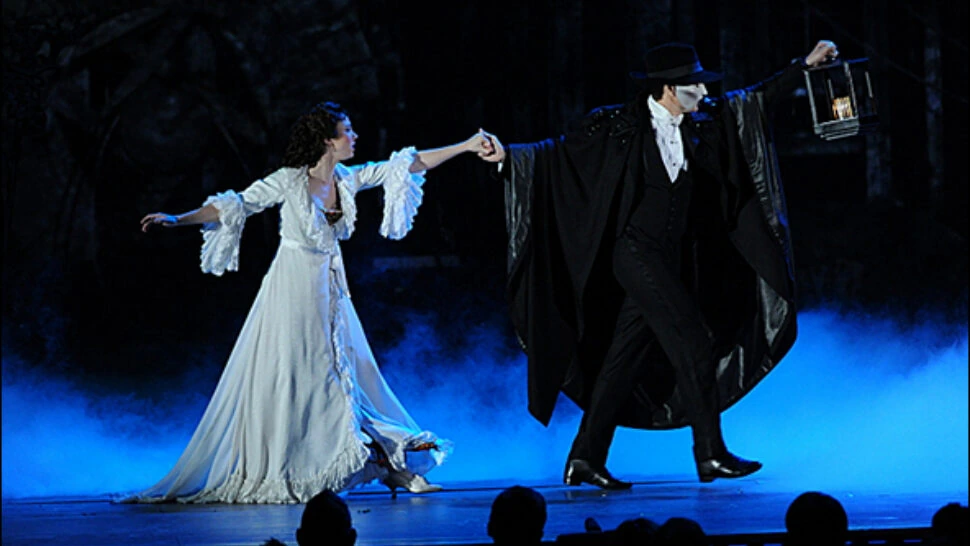
In Andrew Lloyd Webber’s Phantom of the Opera musical, the Angel of Music is immortalized in the iconic song “Angel of Music”, sung by Christine and Madame Giry. The musical emphasizes:
-
The hypnotic quality of Erik’s voice
-
Christine’s spiritual awe
-
The seductive nature of artistic mentorship
While the stage adaptation softens some of Erik’s darker traits, it preserves the Angel of Music as a symbol of mystery and longing.
A Brief Mythological Parallel: Eirene and the Illusion of Peace
In Greek mythology, Eirene, the goddess of peace, represented harmony, order, and calm, much like her Roman equivalent, Pax. She embodied the idea that peace feels divine when chaos has been endured. The Angel of Music functions in a similar way for Christine. He appears during emotional turmoil, offering structure, beauty, and purpose. Yet just as peace can be fragile when built on illusion, the Angel’s guidance collapses once truth is revealed. This parallel reinforces the story’s warning: not all serenity is pure, and not all guidance is benevolent.
Is the Phantom Truly an Angel?
One of the most enduring questions readers and audiences ask is whether Erik deserves the title he claims. From one perspective:
-
He nurtures Christine’s talent
-
He recognizes her potential
-
He elevates her artistry
From another:
-
He deceives her
-
He isolates her
-
He uses fear and control
The genius of The Phantom of the Opera lies in refusing a simple answer. The Angel of Music is both mentor and manipulator, savior and captor.
Frequently Asked Questions About the Angel of Music
Who is the Angel of Music?
The Angel of Music is the identity adopted by Erik, the Phantom, to secretly teach and influence Christine Daaé.
Who is the Angel of Music in Phantom of the Opera?
In both the novel and musical, the Angel of Music refers to the Phantom himself.
Is the Phantom the Angel of Music?
Yes, though the title represents a persona rather than a supernatural being.
Why does Christine call him the Angel of Music?
Christine believes he was sent by her late father and sees him as a divine guide rather than a man.
Final Thoughts
The Angel of Music endures because it is not merely a character, it is an idea. It represents how art, belief, and longing can intertwine, creating beauty and danger in equal measure. Erik’s tragedy is not that he is mistaken for an angel, but that he believes the role is the only way he can be loved. And Christine’s journey is not about rejecting music, but about reclaiming it on her own terms.