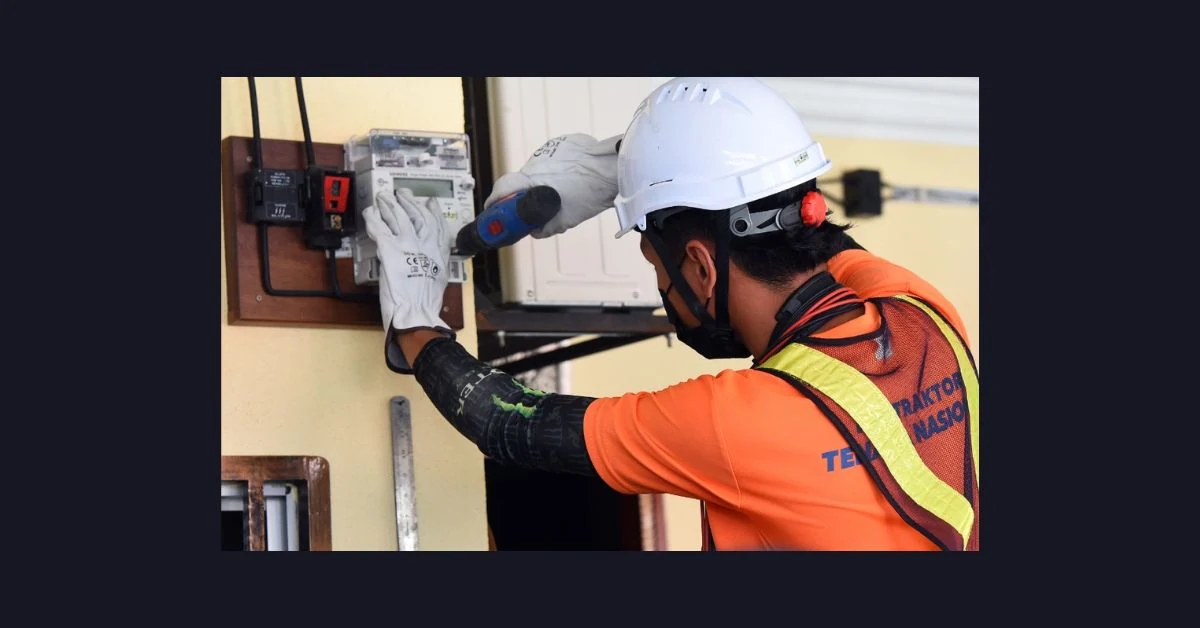
Who Is Responsible for Replacing Electric Meter Box? Electric meter boxes are essential components of a home’s electrical system. They house the meter that measures electricity consumption and connect your home to the utility company’s power grid. But when an electric meter box is damaged, outdated, or malfunctioning, one question often arises: who is responsible for replacing it?
Understanding the roles of the homeowner and utility company in meter box ownership and maintenance is critical for safety, compliance, and avoiding unnecessary costs. This guide explains responsibilities, costs, and best practices for replacement.
Table of Contents
ToggleWhat Is an Electric Meter Box?
An electric meter box, also known as a meter socket or power meter housing, is the enclosure that holds the electric meter. It serves as a secure connection point between the utility’s power lines and your home’s electrical service panel.
Key functions of the meter box include:
-
Protecting the meter from weather and tampering.
-
Ensuring accurate measurement of electricity usage.
-
Serving as a junction for electrical service equipment.
While it may seem simple, the ownership and replacement responsibilities of a meter box can vary depending on local regulations, utility policies, and property agreements.
Utility Company vs Homeowner Responsibility
One of the most common sources of confusion is who owns the meter box. Ownership generally determines who is responsible for replacement and maintenance.
Utility-Owned Meter Boxes
In many regions, the utility company owns the meter and box. If the meter box is damaged due to weather, aging infrastructure, or normal wear and tear, the utility usually covers repair or replacement. Typical utility responsibilities include:
-
Inspecting meters for safety and compliance.
-
Replacing outdated or damaged meter boxes.
-
Handling meter box maintenance as part of the utility’s infrastructure.
Homeowner-Owned Equipment
In some cases, particularly in older homes or where the utility explicitly transfers responsibility, the homeowner owns the meter box. This often happens when the meter box connects directly to the property’s electrical system and the homeowner has upgraded equipment. Homeowner responsibilities can include:
-
Repairing or replacing a damaged meter enclosure.
-
Ensuring the box meets electrical code requirements.
-
Hiring licensed electricians for installation and inspection.
How to Determine Responsibility in Your Area
Responsibility may vary by state, county, or utility company, so it’s important to confirm local policies. Steps to determine who is responsible:
-
Check Your Utility Agreement: Most electric service agreements clarify meter box ownership.
-
Inspect the Meter Box: Look for utility tags or labels indicating ownership.
-
Call Your Utility Provider: Ask whether replacement is covered by the utility or requires homeowner action.
-
Review Local Regulations: Some states mandate that the utility maintain all service drop equipment up to the property line, while homeowners handle internal wiring.
This process ensures you avoid unnecessary costs and maintain compliance with safety standards. Those researching utility responsibilities also dive into immigration eligibility rules and corporate automotive ownership.
Who Pays for Electric Meter Box Replacement?
Scenario 1: Damage From Natural Causes
If the meter box is damaged by storms, lightning, or falling trees, responsibility often depends on ownership:
-
Utility-owned: The company typically covers replacement.
-
Homeowner-owned: The homeowner may need to cover repair costs, potentially through insurance.
Scenario 2: Normal Wear and Aging
Meter boxes deteriorate over time due to corrosion, rust, or exposure. Utilities generally replace utility-owned boxes during scheduled maintenance or inspections. Homeowners owning the equipment must hire a licensed electrician to replace aging boxes.
Scenario 3: Upgrades or Renovations
Homeowners may choose to upgrade the meter box for larger electrical loads or safety compliance. In this case, even if the utility owns the original box, the homeowner might pay for upgrades beyond standard requirements.
Scenario 4: Vandalism or Accidental Damage
Damage caused by third-party vandalism or accidents often falls under homeowner responsibility, unless the utility determines external parties were at fault.
Safety Considerations When Replacing a Meter Box
Replacing a meter box involves high-voltage electrical connections, making safety the top priority. Key considerations include:
-
Hire a Licensed Electrician: Only trained professionals should handle meter box replacement.
-
Coordinate With Your Utility: Unauthorized work can disrupt service or violate regulations.
-
Use Approved Equipment: Ensure the meter box complies with National Electrical Code (NEC) standards.
-
Disconnect Power Safely: The utility may need to disconnect service during installation.
Cost of Replacing an Electric Meter Box
The cost of replacement depends on ownership, local labor rates, and materials:
-
Utility-Owned Replacement: Often free to the homeowner, included in service maintenance.
-
Homeowner-Owned Replacement: Costs vary from $300 to $1,000+, including labor and materials.
-
Upgrades: Larger or advanced meter boxes, such as smart meters, can add to the expense.
Always confirm with your utility whether replacement costs will be covered or require homeowner payment.
Storytelling Analogy
Think of the meter box like Hestia, the Greek goddess of the hearth and home. Just as Hestia protected the sacred fire inside a household, the meter box protects the flow of electricity into your home. If the protective structure is compromised, it can threaten the safety and balance of the household. Whether the guardian of this “hearth” is the homeowner or the utility company, the principle remains: ensuring safety and continuity is paramount.
Electric Meter Box Responsibility by State
Responsibility can vary by location:
-
California: Utility companies usually maintain meter boxes; homeowners manage internal wiring.
-
Texas: Most utility-owned boxes are replaced by providers; damage due to homeowner modifications may be the homeowner’s responsibility.
-
New York: Utility companies cover service drop equipment; homeowner-owned meter boxes are the homeowner’s responsibility.
Checking state-specific regulations and utility agreements is essential for avoiding disputes.
Common Questions About Meter Box Replacement
Who is responsible for replacing the electric meter box?
Depends on ownership. Utility-owned boxes are typically replaced by the utility. Homeowner-owned boxes must be replaced by the homeowner.
Who pays for electric meter box replacement?
Utility covers their equipment; homeowners pay for private meter boxes or upgrades.
Does the power company replace meter boxes?
Yes, for utility-owned boxes, especially if damaged or outdated.
Who fixes a damaged electric meter box?
The responsible party, homeowner or utility, depending on ownership and cause of damage.
What about meter box ownership?
Ownership determines liability. Utility-owned equipment is maintained by the provider; customer-owned equipment is the homeowner’s responsibility.
Best Practices for Homeowners
-
Know Ownership Status: Confirm if the meter box is utility-owned or yours.
-
Document Condition: Take photos and maintain records for insurance or disputes.
-
Schedule Professional Inspections: Regular check-ups can prevent costly failures.
-
Coordinate With Utility: Never replace a utility-owned box without authorization.
-
Ensure Code Compliance: Upgraded or new boxes must meet NEC standards for safety.
Conclusion
Replacing an electric meter box involves understanding ownership, safety, and local regulations. Whether the responsibility falls on the homeowner or the utility company depends on ownership, the cause of damage, and state-specific rules. Key takeaways:
-
Utility-owned boxes are generally replaced by the utility at no cost.
-
Homeowner-owned boxes require professional replacement and compliance with electrical codes.
-
Always coordinate with the utility and hire licensed electricians for safe replacement.
Just as Eirene, the Greek goddess of peace, maintained harmony in turbulent times, proper understanding and action in meter box replacement ensure the safety and balance of your home’s electrical system. By knowing responsibilities and following best practices, homeowners can confidently manage meter box replacement and maintain a safe, reliable connection to the power grid.