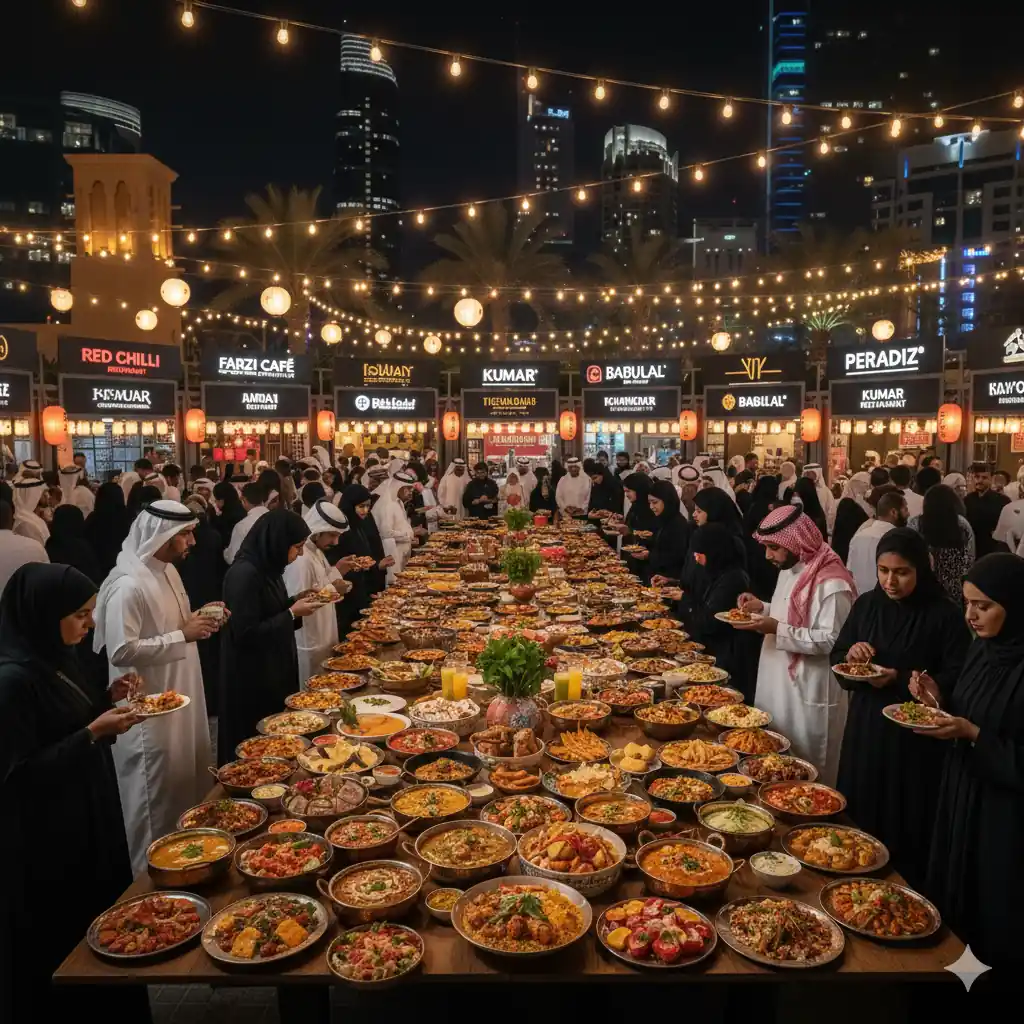

Traveling between Riyadh and Doha is more than just a drive, it’s a journey through the heart of the Arabian Peninsula. Along the route, travelers encounter vast desert landscapes, historic towns, and culturally rich destinations. The journey offers a mix of traditional souqs, heritage sites, and modern rest stops that reflect the region’s history and development. From scenic desert views to coastal attractions near Qatar, there are many rewarding places to pause. With proper planning, the Riyadh–Doha route becomes a memorable road trip filled with discovery and cultural experiences.
Top Best Stops Between Riyadh and Doha
Traveling between Riyadh and Doha offers access to a variety of cultural, historical, and scenic destinations along the way. The route features traditional markets, desert landscapes, and welcoming towns ideal for short breaks. From heritage sites and museums to coastal areas near Qatar, each stop adds interest to the journey. These locations are suitable for families, solo travelers, and road trip enthusiasts. With well-planned stops, the Riyadh–Doha drive becomes an enjoyable and enriching experience.
1: Heet Cave – Riyadh Region
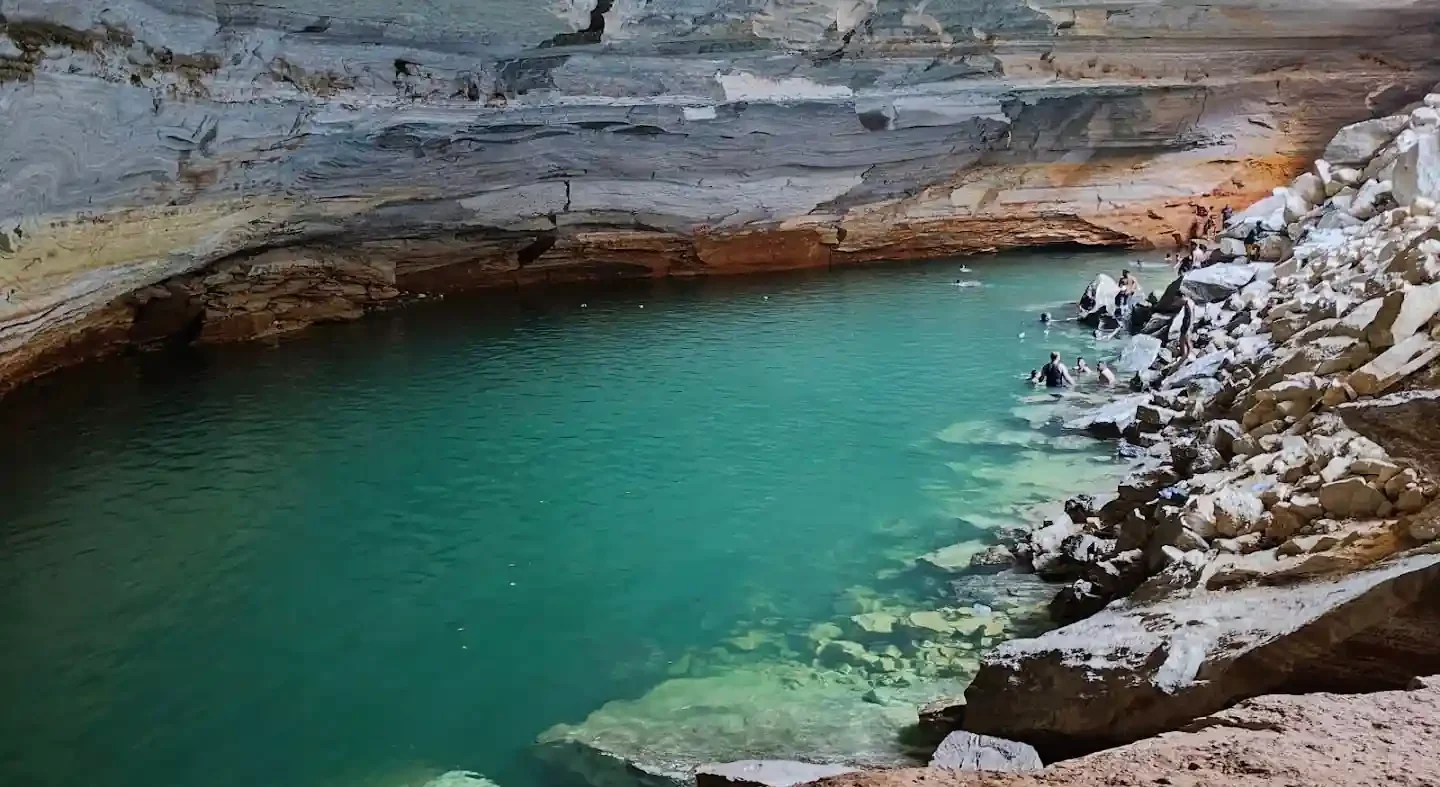
Heet Cave is a fascinating natural attraction located near Wadi As Sulay village, southeast of Riyadh, offering a unique underground adventure for nature lovers. The cave is famous for its hidden freshwater lake, which adds a magical element to the experience. Visitors reach the cave through a steep but manageable descent, making it suitable for those with moderate fitness levels. The surrounding desert landscape provides stunning views, especially during sunset. It is a popular spot for hiking, photography, and stargazing. There are no commercial facilities, so visitors should bring their own supplies. Cleanliness and environmental care are encouraged. The site remains accessible year-round. It is best visited during daylight hours for safety.
2: Cenomi Al Ahsa Mall – Al Hofuf
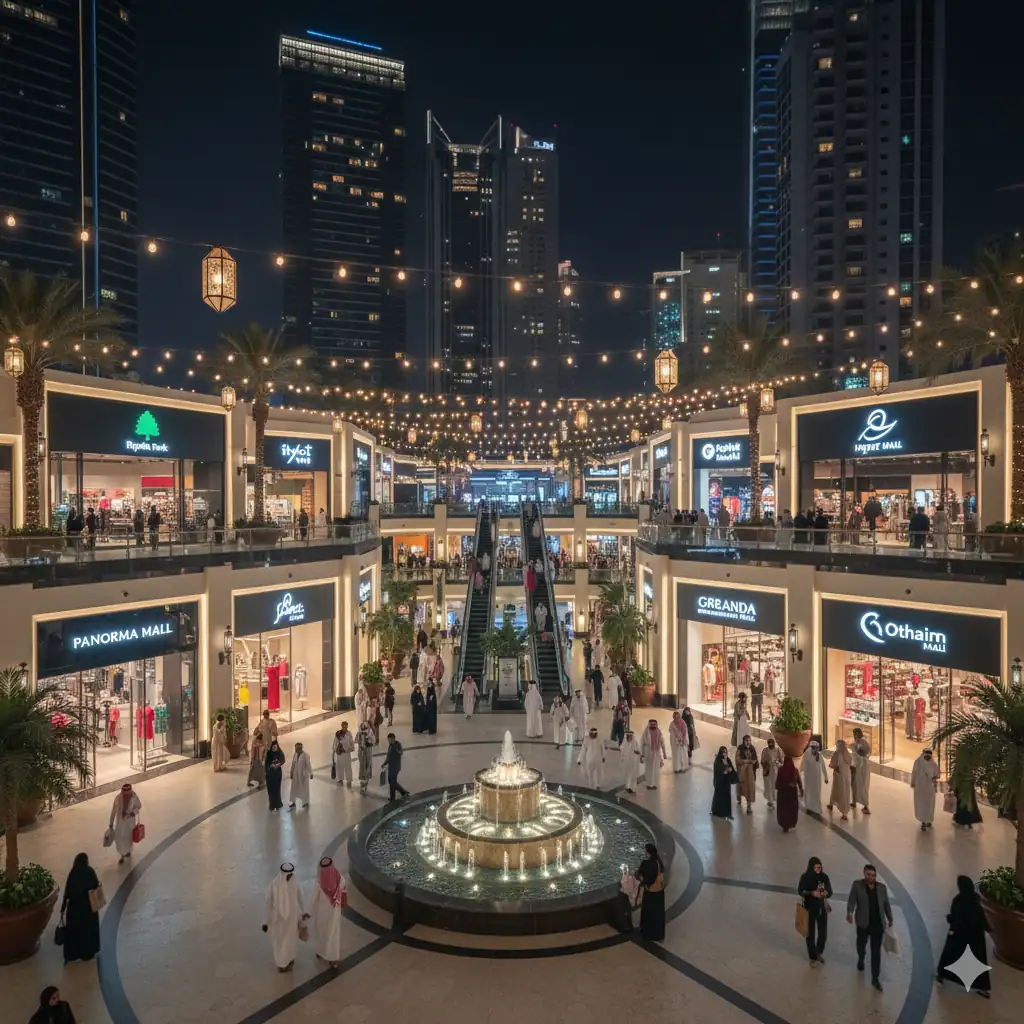
Cenomi Al Ahsa Mall is a large and modern shopping destination located on King Abdullah Road in Al Hofuf. The mall features a wide selection of international and local brands, making it a popular stop for fashion, electronics, and lifestyle shopping. A spacious food court offers a variety of dining options suitable for families and travelers. The mall is well maintained, air-conditioned, and easy to navigate. Cleanliness and comfort are key highlights frequently noted by visitors. Seating areas allow shoppers to rest between visits. The atmosphere is lively yet organized. It attracts both locals and visitors passing through Al Ahsa. The mall operates daily with extended evening hours.

3: Ibrahim Palace (Qasr Ibrahim) – Al Ahsa
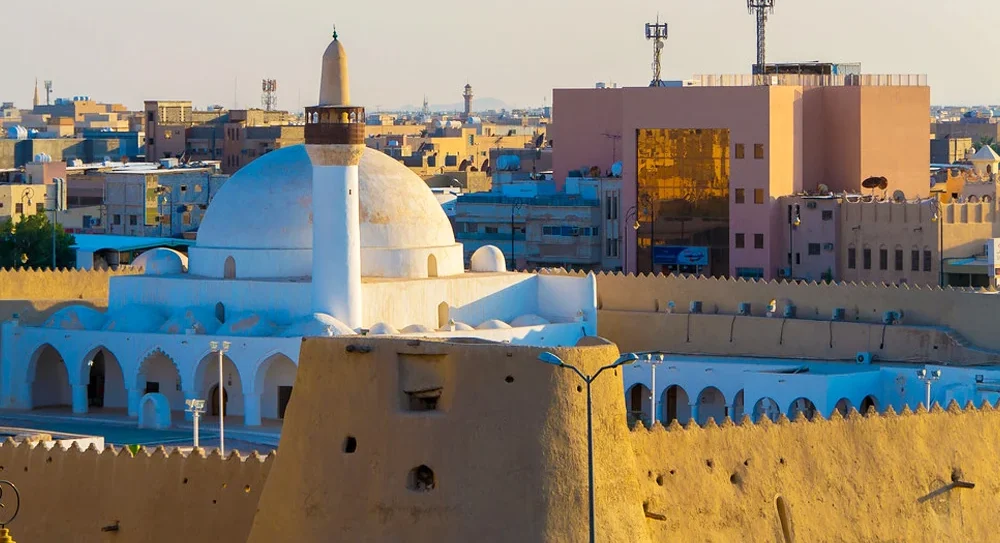
Ibrahim Palace is a historic 16th-century fortress located in Al Hofuf and is one of the most significant Ottoman-era landmarks in Saudi Arabia. The palace showcases impressive military architecture with thick walls, arches, and a mosque inspired by early Islamic design. Visitors can explore open courtyards and restored sections that reflect the region’s history. Informational displays provide context about its military and cultural importance. The site is peaceful and suitable for photography. Entry is free, making it accessible to all visitors. There are no commercial shops inside, preserving its authenticity. The palace is well preserved and easy to explore independently. It is a must-visit for history enthusiasts.
4: Qaisariya Al-Ahsa Souq – Al Hofuf
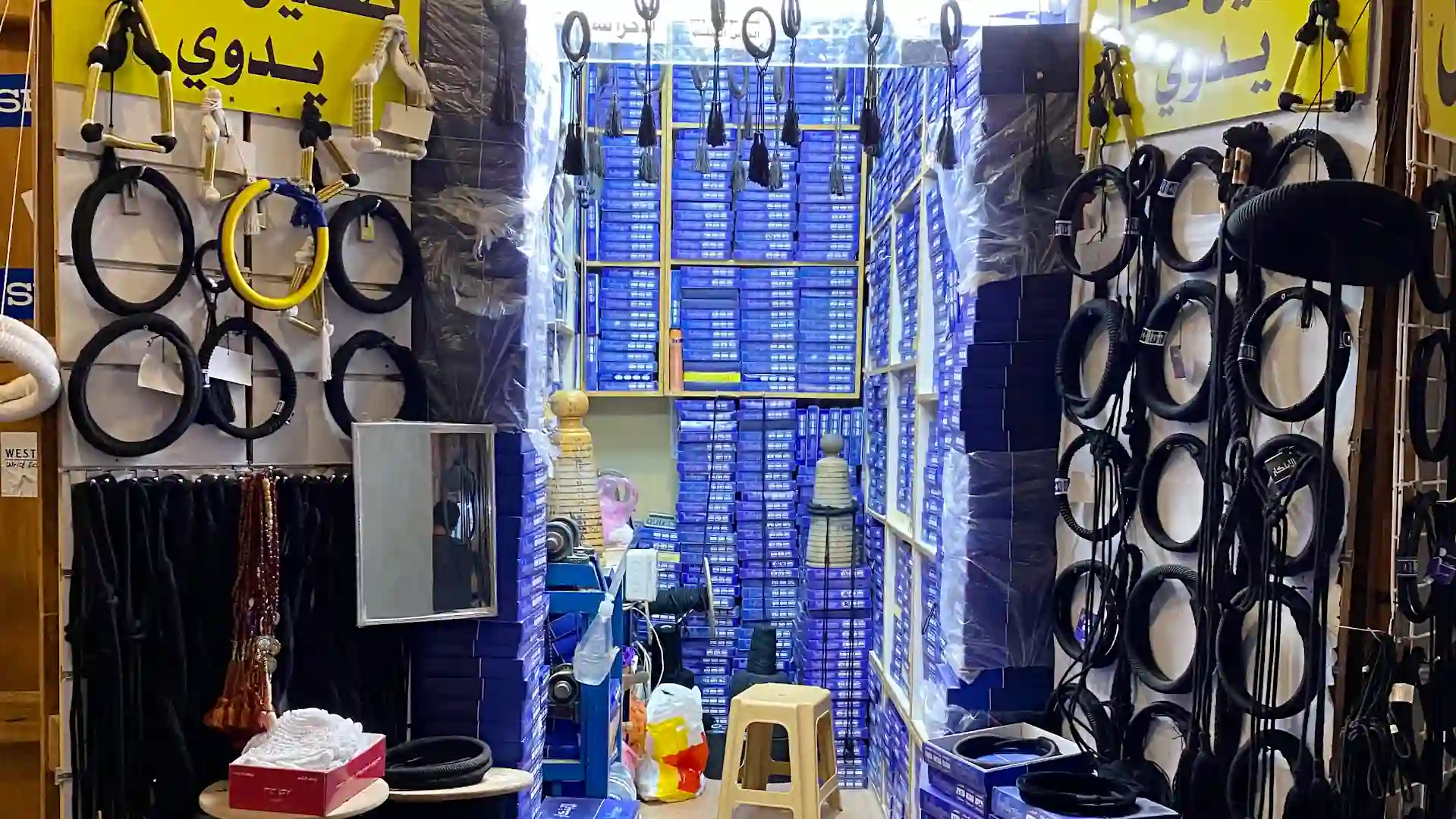
Qaisariya Souq is one of the oldest and most authentic traditional markets in Saudi Arabia, located near Ibrahim Palace in Al Hofuf. The souq features narrow walkways lined with shops selling spices, textiles, perfumes, jewelry, and traditional clothing. Its historic architecture reflects the cultural heritage of the region. Visitors enjoy the lively atmosphere and friendly local interactions. Small cafés and seating areas are available for rest. The market is clean and well organized despite its age. It is especially vibrant in the evening hours. Bargaining is common and part of the experience. The souq offers a genuine glimpse into traditional Saudi life.
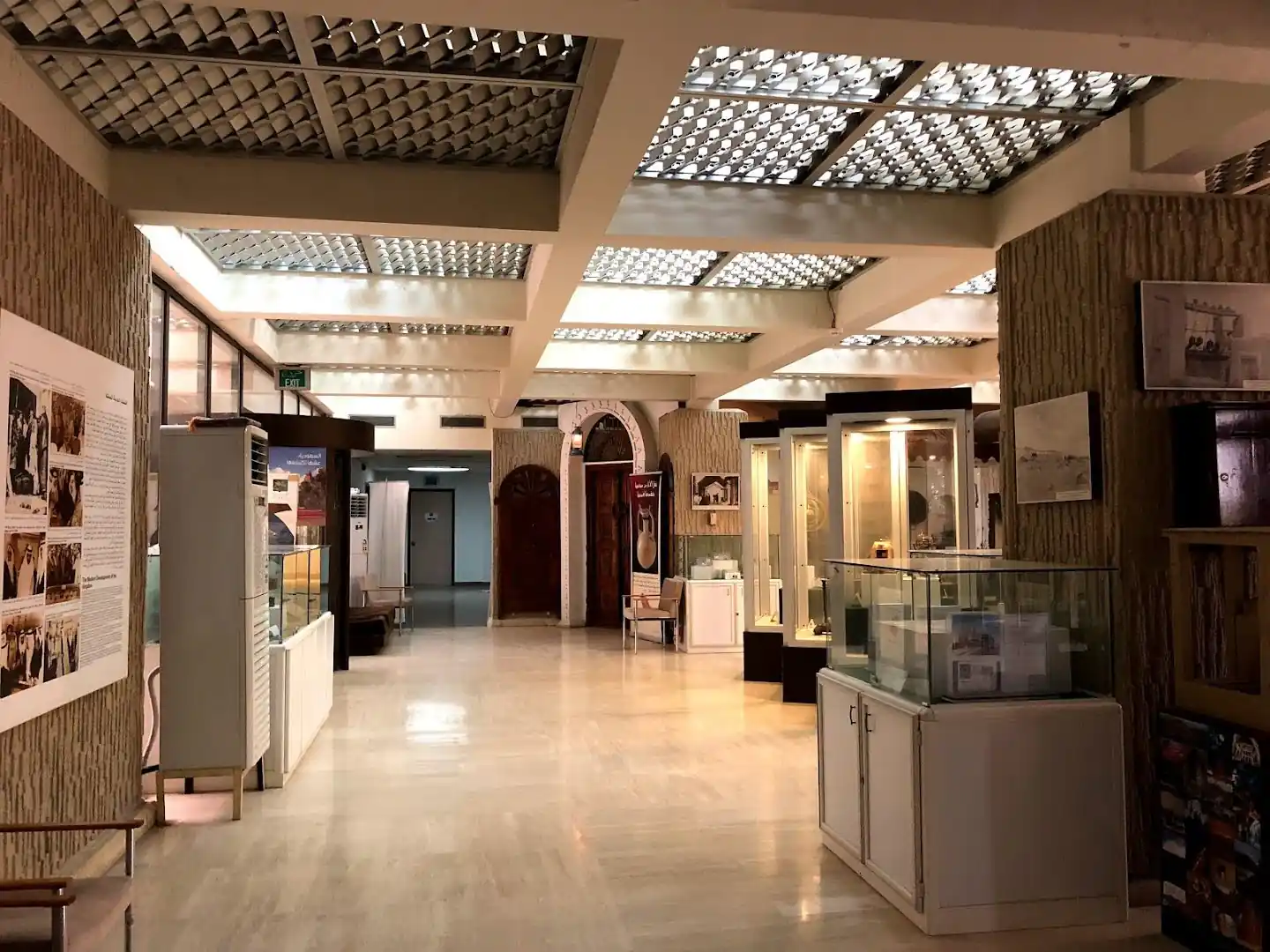
5: Al Ahsa National Museum – Al Hofuf
Al Ahsa National Museum is an educational and cultural attraction showcasing the rich history of the Eastern Province. The museum displays artifacts from pre-Islamic times to the modern era, including manuscripts, tools, and historical photographs. Exhibits are clearly labeled and thoughtfully arranged. The calm and organized environment makes it suitable for families and students. Visitors gain insight into agriculture, trade, and local traditions. The museum complements nearby historical landmarks. It is well maintained and easy to navigate. Most visitors spend one to two hours exploring. It is an excellent stop for those interested in Saudi heritage.
6: Jawatha Park – Al Ahsa
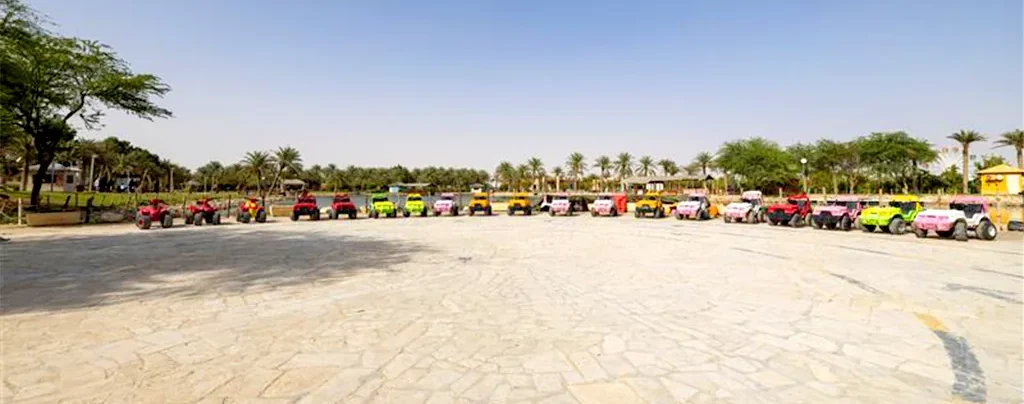
Jawatha Park is a historic and recreational site known for the ruins of one of the oldest mosques in the region. The park offers open green spaces, walking paths, and shaded seating areas for visitors. Families often visit for picnics and relaxed gatherings. Informational signs explain the historical and religious significance of the mosque. The environment is peaceful and well maintained. Visitors may see horses and local activities during certain times. The park blends history with leisure. It is suitable for all age groups. Jawatha Park provides a calm and meaningful stop in Al Ahsa.
7: Al Qarah Mountain – Al Ahsa
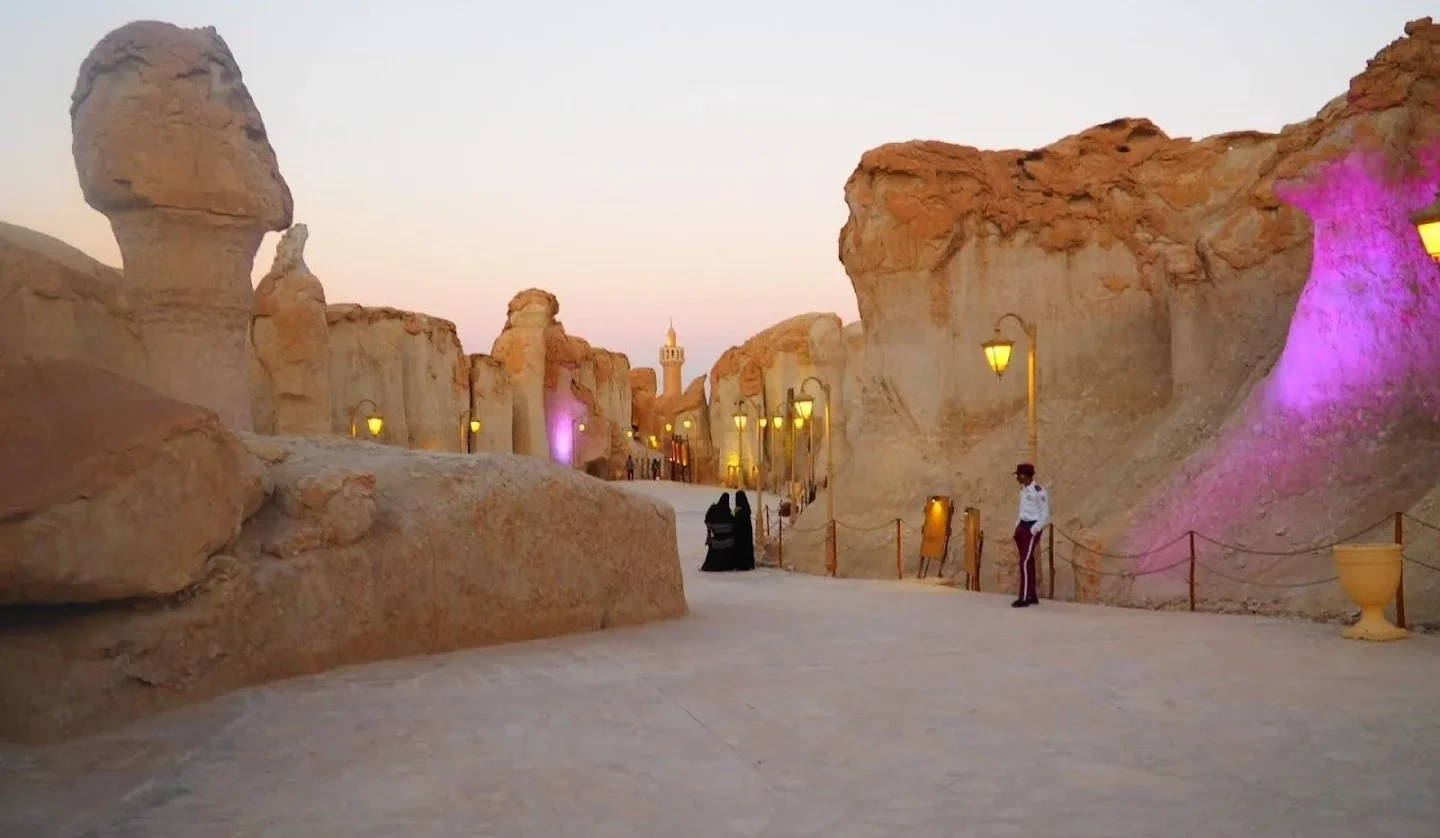
Al Qarah Mountain is a striking natural landmark famous for its limestone caves and cool interior climate. Located near the Al Ahsa Oasis, the mountain offers well-marked walking paths and easy access. Inside the caves, visitors experience a refreshing temperature even during hot months. Informational displays explain the geological and historical background of the area. From the top, panoramic views of palm farms and greenery can be enjoyed. The site is family-friendly and safe. Basic facilities are available near the entrance. It is popular with photographers and nature lovers. The mountain is open year-round and well managed.
8: Sheikh Faisal Bin Qassim Al Thani Museum – Doha
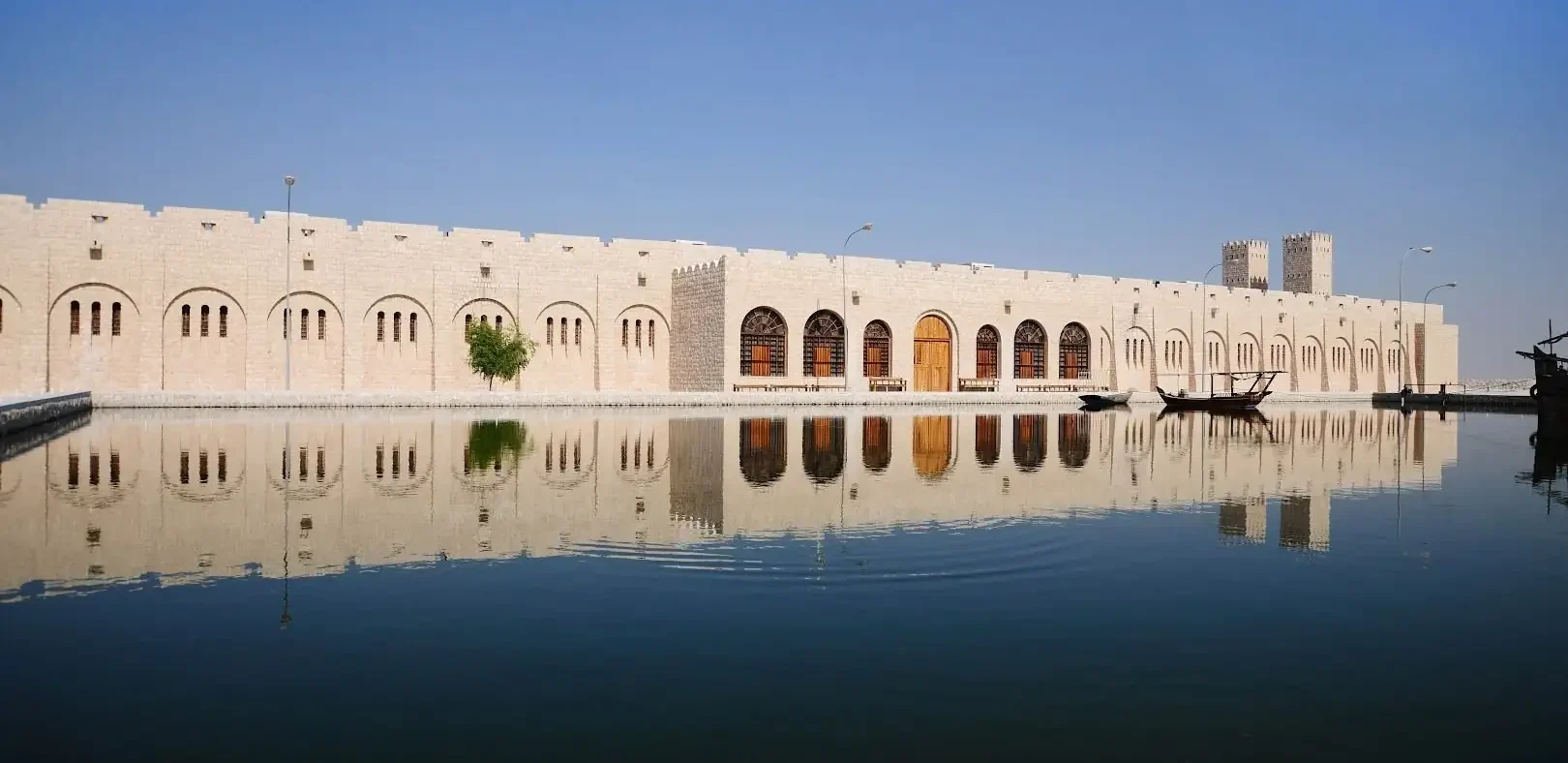
The Sheikh Faisal Bin Qassim Al Thani Museum is a major cultural attraction located outside central Doha. The museum houses an extensive collection of over 15,000 artifacts, including antique cars, Islamic art, manuscripts, textiles, and traditional boats. Exhibits are spread across multiple themed sections, offering a rich educational experience. The museum is well organized and suitable for families. Visitors often spend several hours exploring the collections. The staff is welcoming and helpful. The surrounding area adds to the peaceful atmosphere. The museum reflects both Qatari heritage and global history. It is one of Qatar’s most impressive museums.
9: Khor Al Udaid (Inland Sea) – Qatar
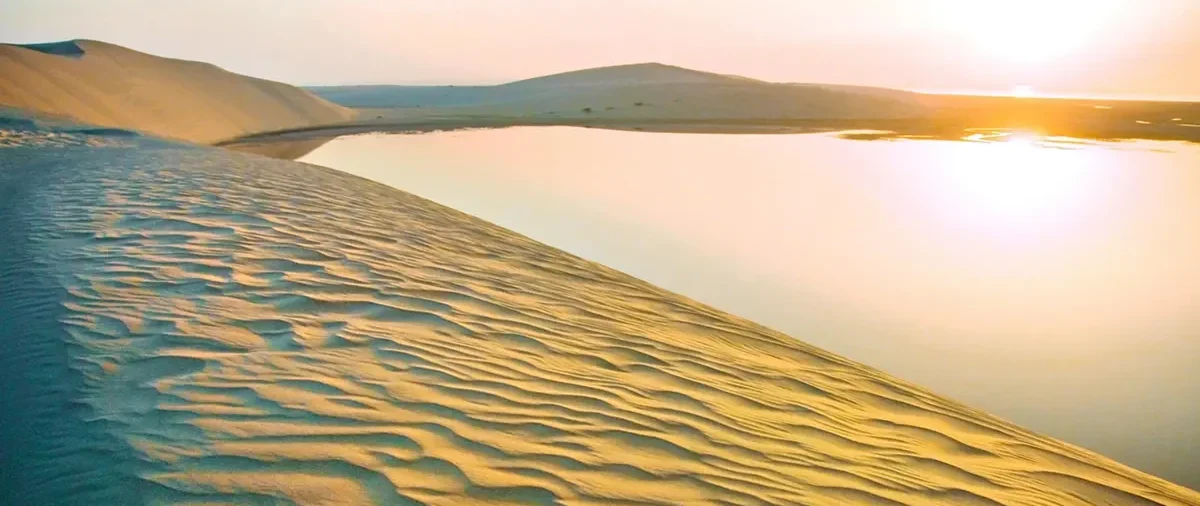
Khor Al Udaid, also known as the Inland Sea, is a UNESCO-recognized natural reserve where desert dunes meet the sea. Accessible only by 4×4 vehicles, the journey itself is part of the adventure. Visitors are rewarded with breathtaking views and serene surroundings. Activities include dune bashing, swimming, photography, and camping. The area is untouched and free from commercial development. Traveling with experienced drivers is strongly recommended. Sunsets here are particularly stunning. The site offers complete tranquility. It is one of the most unique landscapes in the region. Discover key attractions from Best Stops Between Riyadh and Jeddah and Best Stops Between Riyadh and Goreme.
10: Sealine Beach, Mesaieed – Qatar
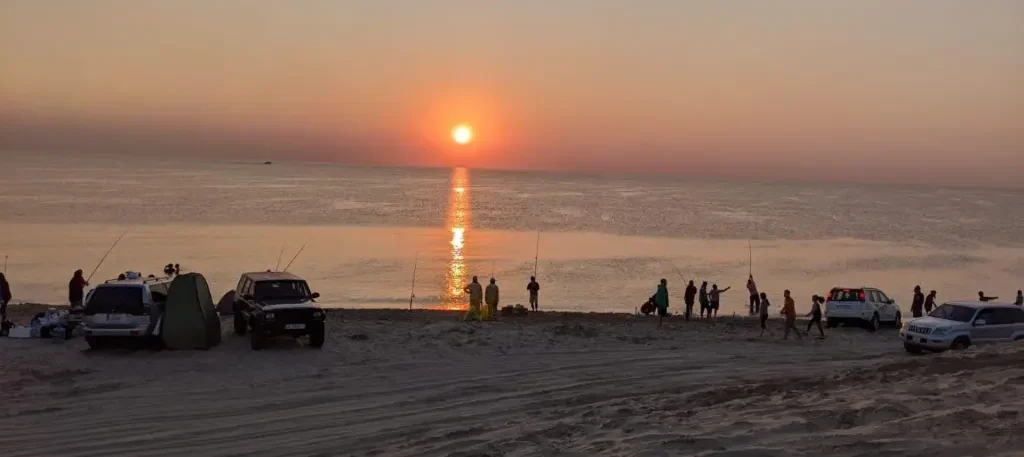
Sealine Beach is a popular coastal destination located near Mesaieed, offering clean sands and calm waters. The beach is family-friendly and well supervised. Visitors enjoy swimming, relaxing, and beachside picnics. The surrounding desert-meets-sea scenery creates a unique atmosphere. Nearby resorts and cafés provide added convenience. The area is well maintained and safe. It is especially popular during weekends and cooler months. Parking and access are straightforward. Sealine Beach is an ideal stop to unwind before continuing the journey.
FAQs
1. How long is the drive from Riyadh to Doha?
The distance is approximately 560 km and takes around 6–7 hours by car, depending on stops and border crossing times.
2. Are there any scenic stops along the route?
Yes, travelers can visit natural landmarks like Heet Cave, Al Qarah Mountain, and the Inland Sea (Khor Al Udaid) for stunning desert and coastal views.
3. Can families travel comfortably on this route?
Absolutely. Stops like Jawatha Park, Sealine Beach, and Al Ahsa Mall provide family-friendly rest areas, picnic spots, and safe recreational options.
4. Are the historical sites open to visitors year-round?
Most attractions, including Ibrahim Palace and Qaisariya Souq, are open year-round during daylight hours, though timing may vary for special events.
5. Do I need a 4×4 vehicle for the entire trip?
A 4×4 is only recommended for specific sites like Khor Al Udaid. Most other stops are accessible via regular vehicles.
6. Are there dining and restroom facilities along the way?
Yes, malls like Cenomi Al Ahsa and coastal stops such as Sealine Beach provide dining options and restroom facilities for travelers.
Final Thoughts
The Riyadh–Doha route offers more than just a drive; it’s an enriching journey through history, culture, and nature. From ancient forts and traditional souqs to stunning desert landscapes and serene coastal retreats, each stop adds depth and excitement to the trip. Whether you’re traveling solo, with family, or on a road trip adventure, planning these stops ensures a comfortable, memorable, and culturally immersive experience. With diverse attractions along the way, this route transforms a simple drive into an unforgettable Arabian adventure.