Traveling between Riyadh and Petra offers an extraordinary journey through the heart of the Arabian Peninsula into the historic lands of Jordan. The route showcases vast deserts, rugged landscapes, and culturally rich towns that reflect centuries of civilization. Along the way, travelers can experience traditional markets, heritage sites, and scenic rest stops that provide insight into regional history. This journey blends natural beauty with archaeological treasures, offering plenty of opportunities for photography and cultural exploration. Whether for adventure or historical discovery, the Riyadh–Petra route promises an enriching and unforgettable travel experience.
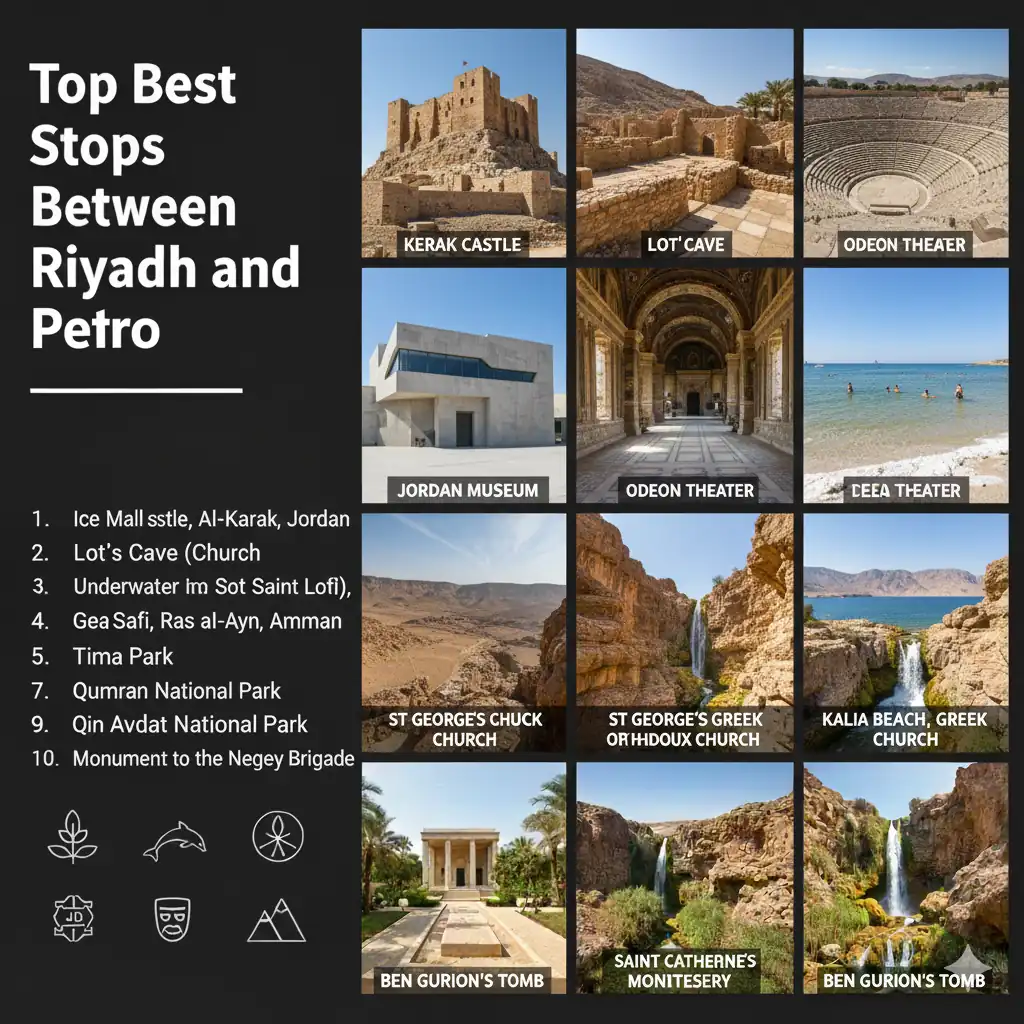
Top Best Stops Between Riyadh and Petra
Traveling between Riyadh and Petra includes several remarkable stops that enrich the journey. Travelers can explore historic towns, desert landscapes, and cultural landmarks along the way. Key stops like Wadi Rum, Aqaba, and Wadi Musa provide opportunities for sightseeing, adventure, and relaxation. Scenic desert vistas and traditional markets add local flavor and photo opportunities. These well-chosen stops make the Riyadh–Petra route an enjoyable and culturally rewarding road trip.
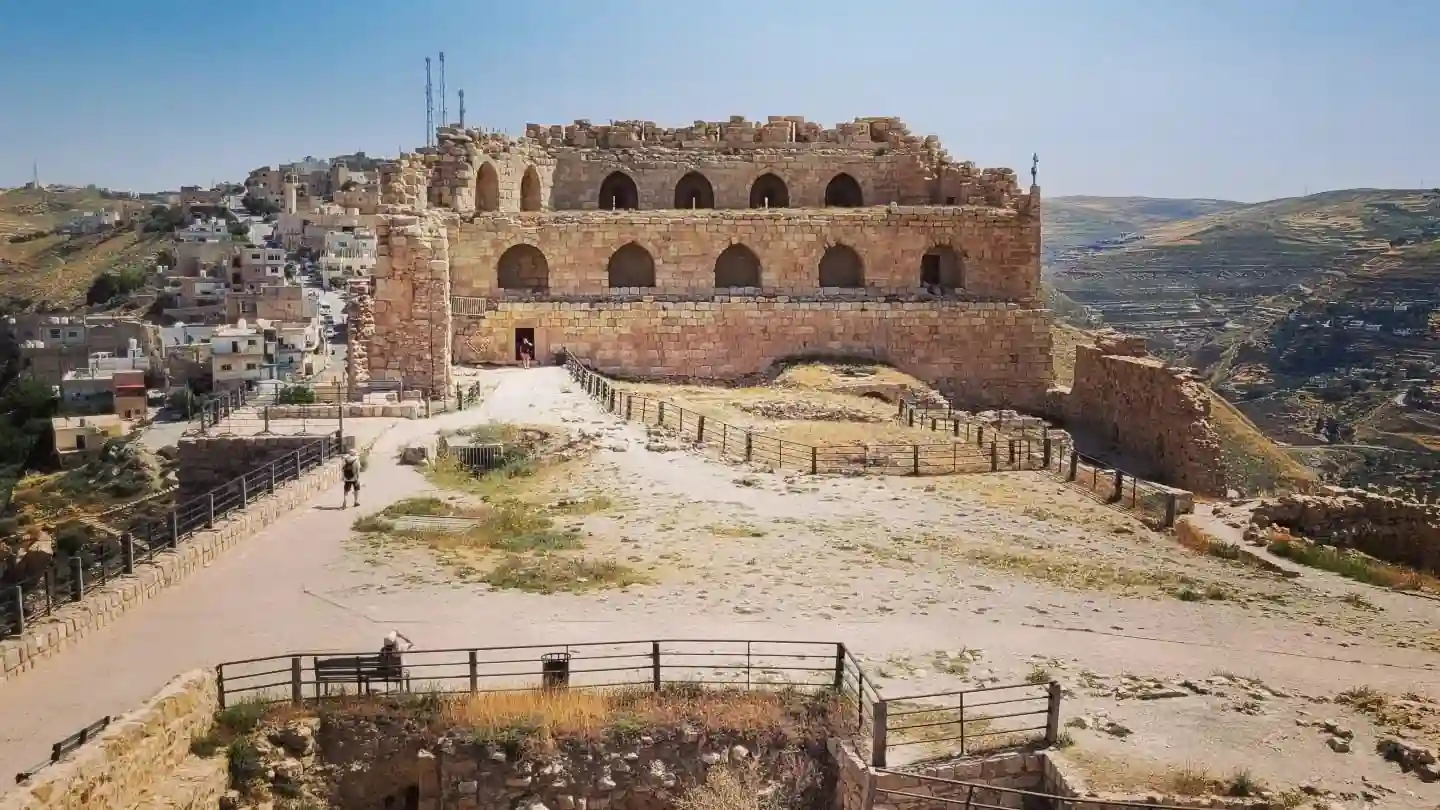
1. Kerak Castle, Al-Karak, Jordan
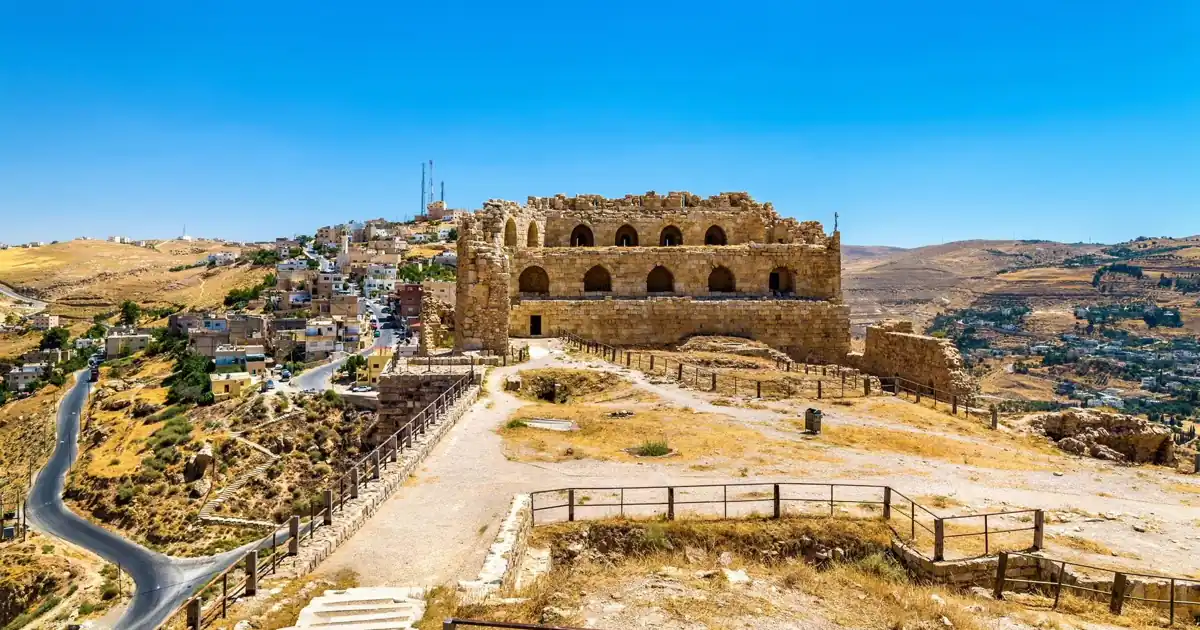
Kerak Castle is a magnificent 12th-century crusader fortress located in Al-Karak, Jordan. Perched on top of a hill, it offers breathtaking panoramic views of the surrounding landscape. The castle features four towers connected by thick walls, moats, tunnels, a great hall, a chapel, and a fully functional kitchen. An internal well provided water to the inhabitants, making it a stronghold for Crusaders. Historically, it also served as a prison and refuge. Visitors can explore the expansive fortress and learn about its strategic importance in controlling the region. Souvenir shops near the entrance sell locally made items. Entry is straightforward, but hiring a guide can enrich the experience. The castle is an ideal spot for photography and history enthusiasts alike.
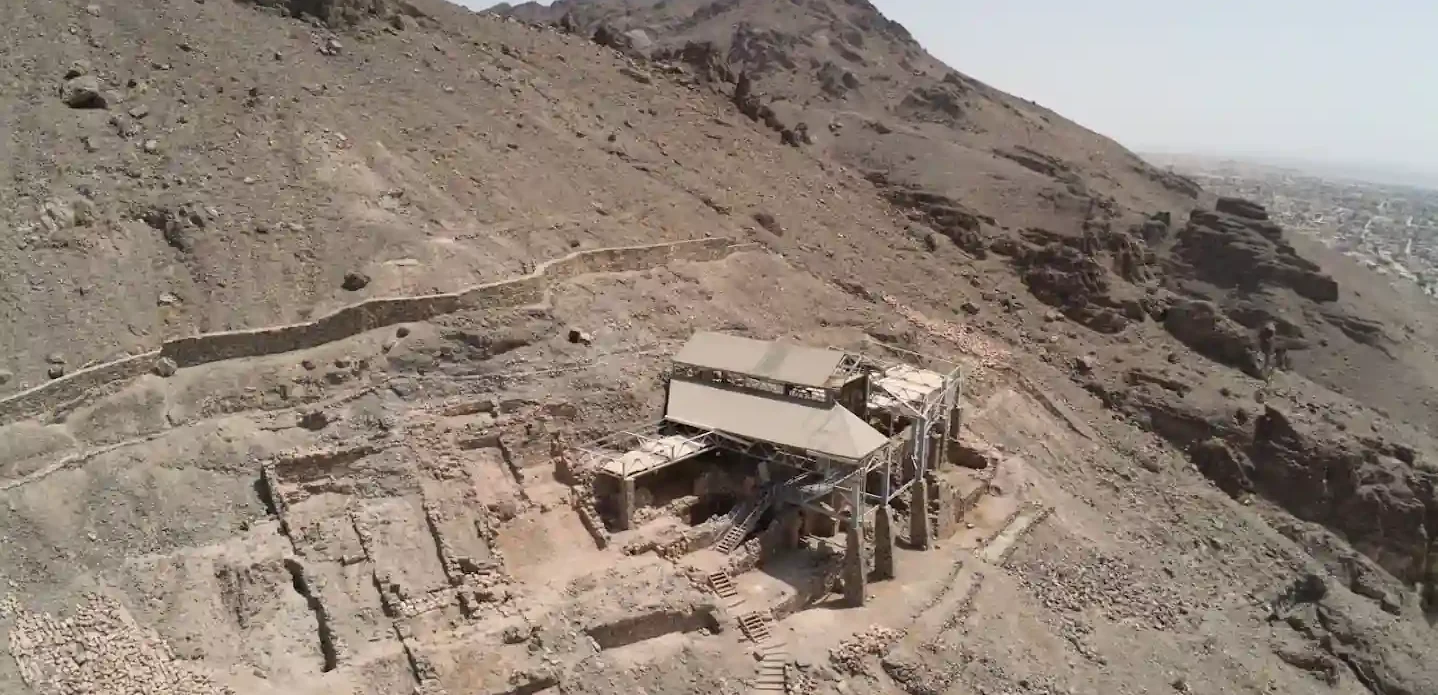
2. Lot’s Cave (Church of Saint Lot), Gawr as-Safi
Lot’s Cave is believed to be the refuge of Prophet Lot (a.s) and his daughters before the punishment of his people. It is a sacred historical site reflecting the biblical and Quranic story of Sodom and Gomorrah. Visitors can see the remains of a church built nearby, which adds historical significance to the site. The surrounding area provides a peaceful environment for reflection. The cave is partially accessible, with rocky paths that require careful walking. It is an important religious site for both Muslims and Christians. Guides are available to provide historical and religious insights. The site gives a unique glimpse into the region’s ancient past. Visitors often combine this stop with nearby historical tours in the area.
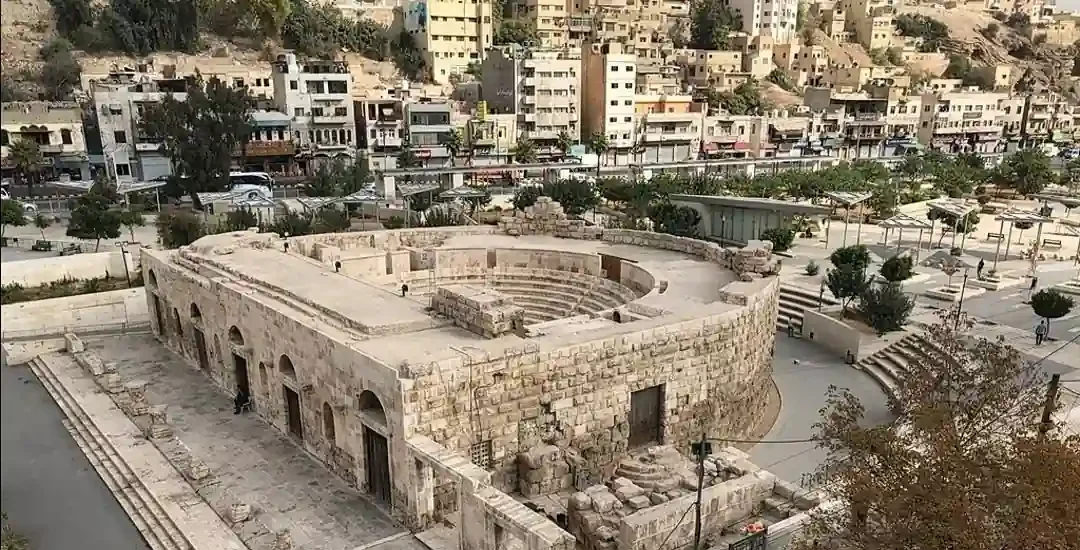
3. Odeon Theater
The Odeon Theater is a small Roman amphitheater built in the 2nd century, located in the heart of Jordan. It offers seating for 500 people and hosts open-air concerts and cultural events, including the Al Balad Music Festival. The venue showcases local and Arab music, giving a platform to emerging and established artists. Its intimate size allows visitors to enjoy performances up close. The theater is well-preserved, with the Roman architecture still visible. It is a must-visit for history lovers interested in ancient entertainment spaces. The surrounding area is rich with other historical landmarks, making it ideal for walking tours. Visitors can enjoy photography and cultural immersion. Entry tickets are affordable and often include guided explanations.
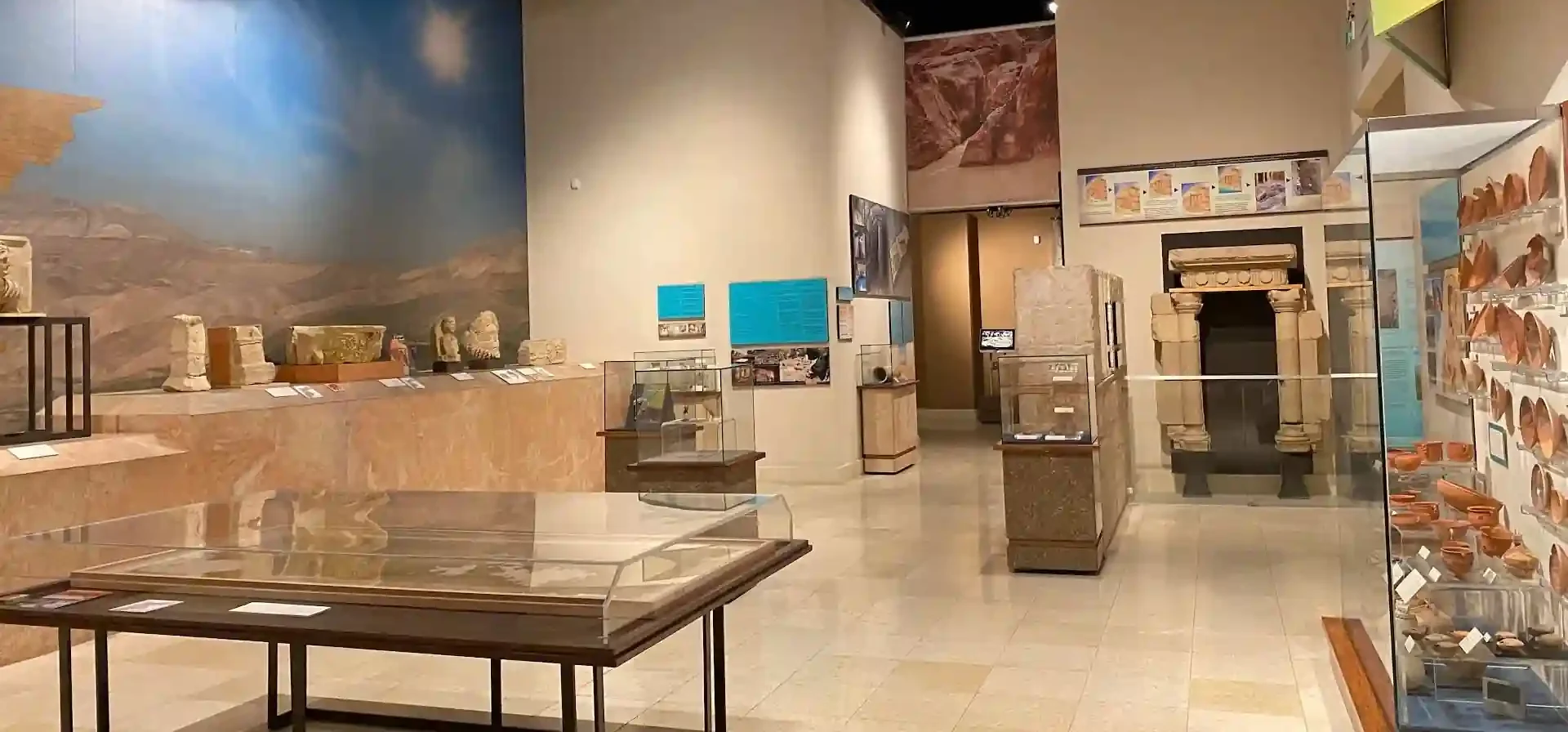
4. Jordan Museum, Ras al-Ayn, Amman
The Jordan Museum, situated in Ras al-Ayn, Amman, is the country’s largest cultural museum. It showcases Jordan’s history from the Stone Age to modern times. The museum houses an extensive collection of artifacts, including archaeological finds, traditional crafts, and interactive exhibits. Its galleries are designed to provide an educational and engaging experience. Visitors can explore the history of the Nabateans, Romans, and Islamic periods. The museum is modern, well-organized, and accessible for all ages. Guided tours are available to explain exhibits in detail. There are cafes and souvenir shops inside for visitors. It is a perfect stop for families, students, and history enthusiasts.
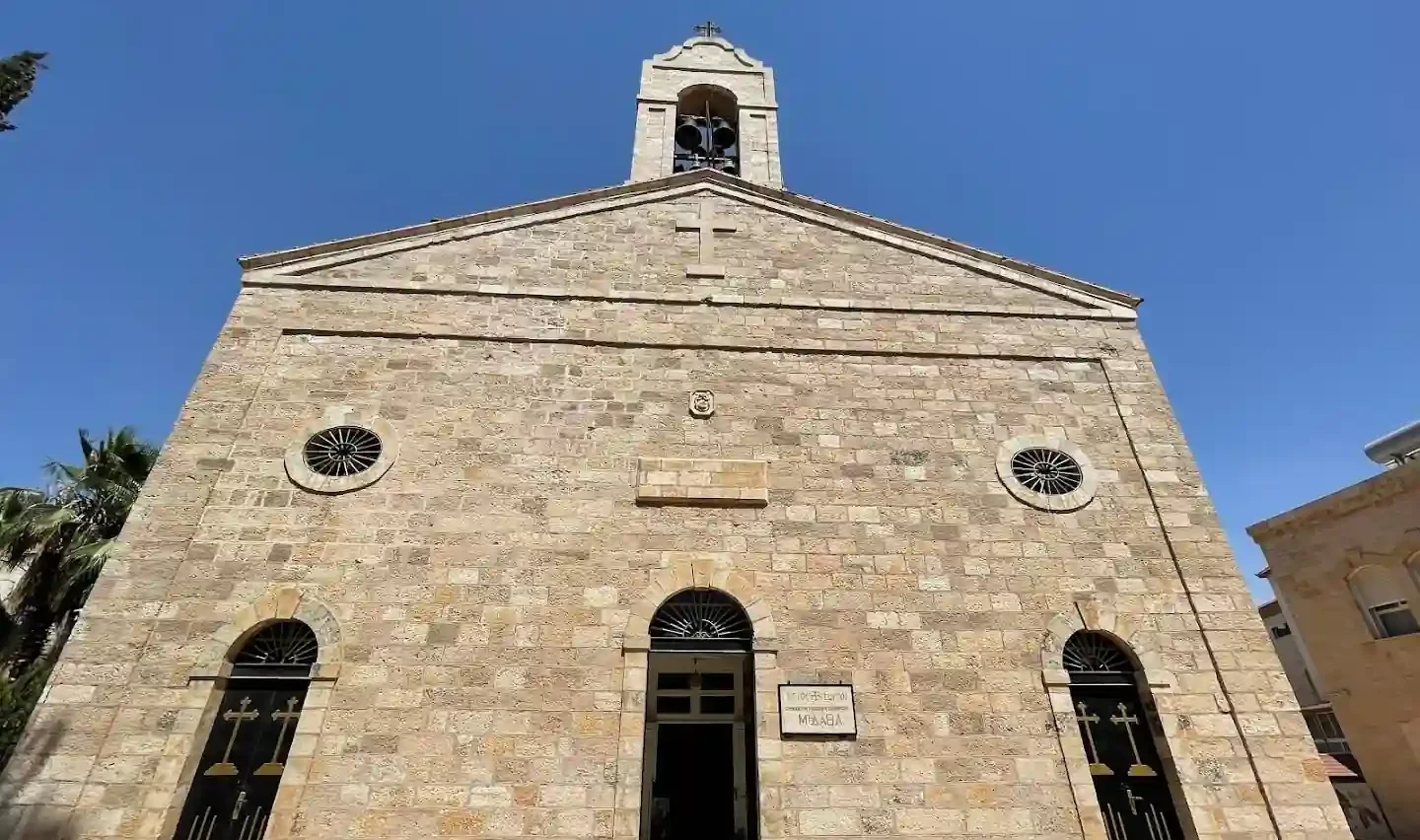
5. St George’s Greek Orthodox Church
St George’s Greek Orthodox Church in Madaba is a 19th-century church built over a 6th-century Byzantine structure. It is famous for the Madaba Mosaic, the oldest map of Palestine, covering about 94 square meters. The church also contains hidden caves and an ancient tower that offers panoramic views of the city. Visitors can explore its intricate mosaics and historical architecture. The church is a center of religious and cultural significance for Christians. It is well-maintained, and guided tours explain the historical context of the mosaics. The surrounding area includes shops and cafes for visitors. Photography is allowed, making it a popular spot for tourists. Visiting during winter is recommended for a comfortable experience.
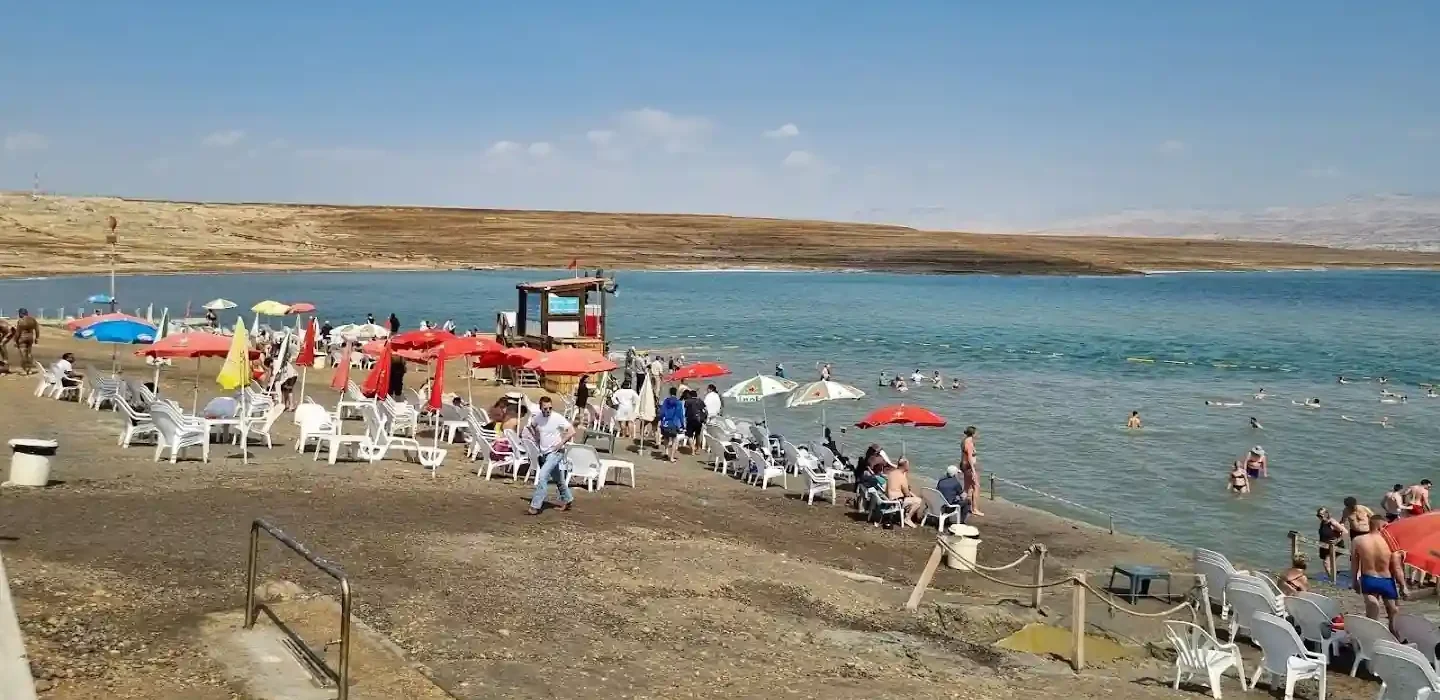
6. Kalia Beach, Dead Sea
Kalia Beach is a renowned destination on the Dead Sea, famous for its floating experience and mineral-rich mud baths. Visitors can relax in the saltwater, which is known for its therapeutic properties. The beach features clean facilities, shaded areas, and a bar with food vendors. Mineral pools and a beach-side spa offer additional treatments such as massages and yoga workshops. The surrounding scenery of the Dead Sea enhances the tranquil experience. Kalia Beach is ideal for family trips, wellness activities, and photography. Safety measures are in place for swimmers. Entry is affordable, and visitors can spend hours enjoying the unique environment. It is easily accessible by road. Explore coastal highlights with Best Stops Between Riyadh and Fethiye and Best Stops Between Riyadh and Goreme.
7. Qumran National Park
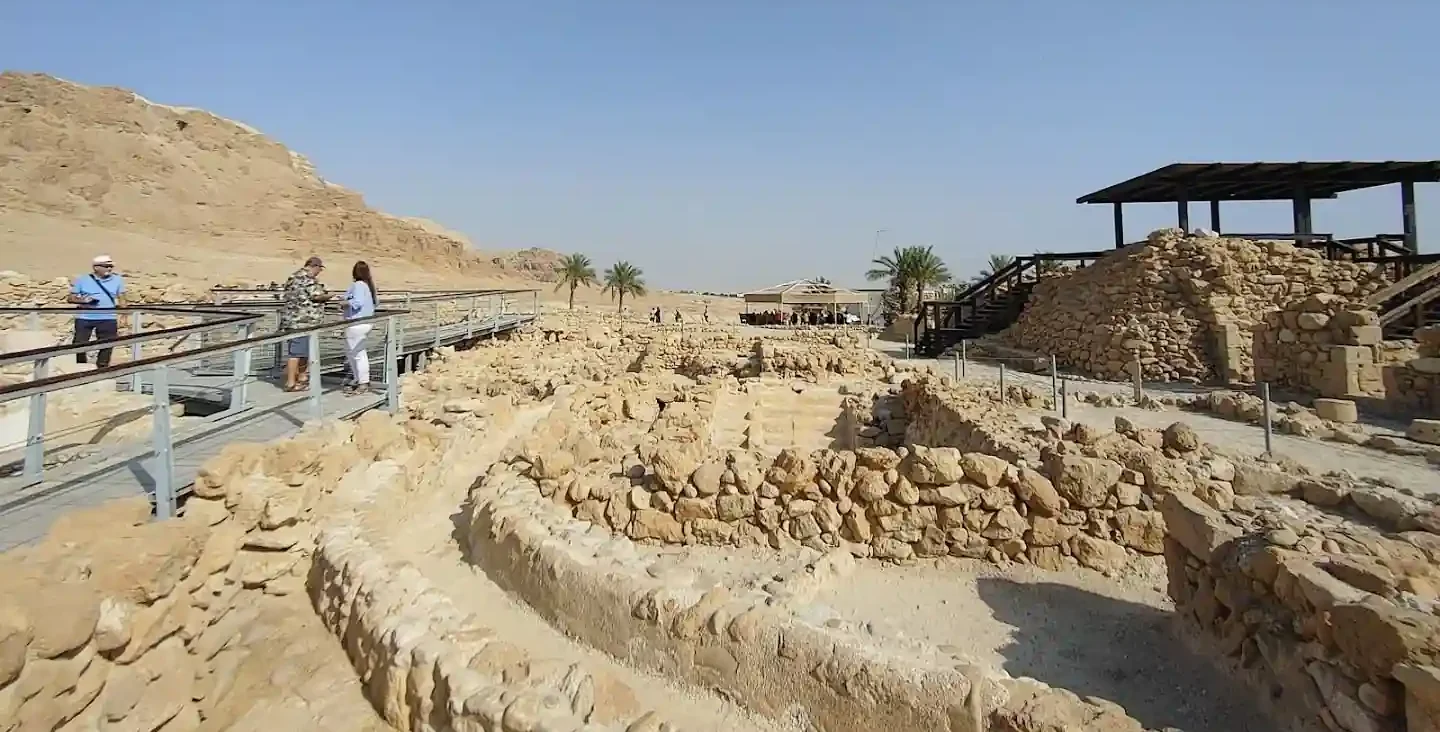
Qumran National Park, located near the Dead Sea, preserves the archaeological site where the Dead Sea Scrolls were discovered. The park includes ruins of a 2000-year-old town inhabited by the Essenes, an ancient Jewish sect. Visitors can explore the aqueduct system used to collect rainwater and see the caves where the scrolls were hidden. The park offers educational signage and guided tours explaining the historical significance. Walking paths are well-marked, making it suitable for all ages. Photography and history enthusiasts can enjoy the ancient structures and desert landscape. The park combines natural beauty with cultural heritage. Entry fees are reasonable, and visitor facilities are available.
8. Wadi Arugot
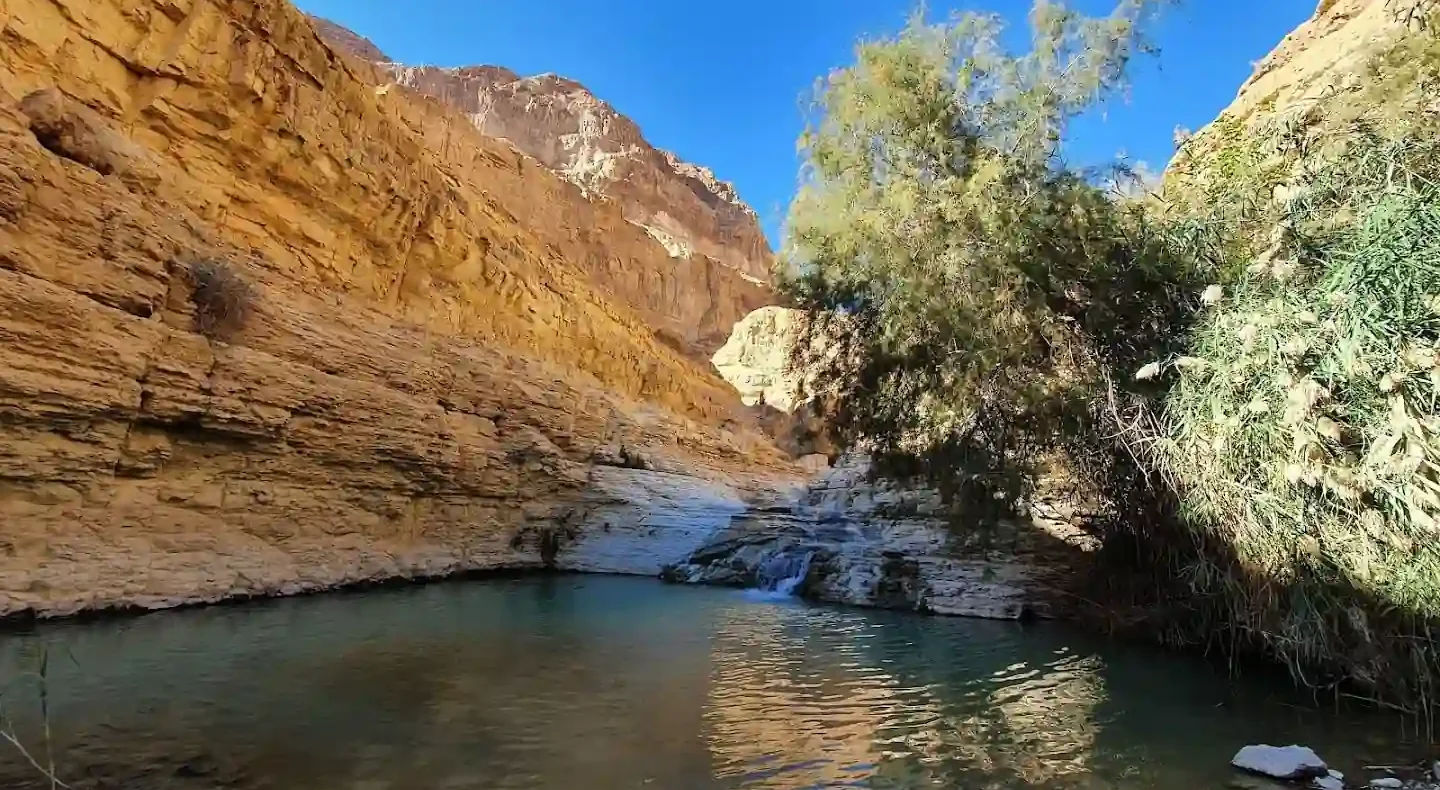
Wadi Arugot is a scenic river trail located near the Dead Sea, ideal for families and hikers. The trail features several natural pools for cooling off and a hidden waterfall at the end. Visitors can enjoy a refreshing walk along the river while observing the lush surroundings. The trail is moderately easy, making it suitable for children and adults. There are shaded areas for resting, and the path is generally well-maintained. It is a popular destination during warm weather, so visiting early in the day is recommended. Guides are sometimes available for information about local flora and fauna. Photography opportunities abound due to the beautiful water and landscape. The Wadi provides a peaceful natural escape.
9. Saint Catherine’s Monastery
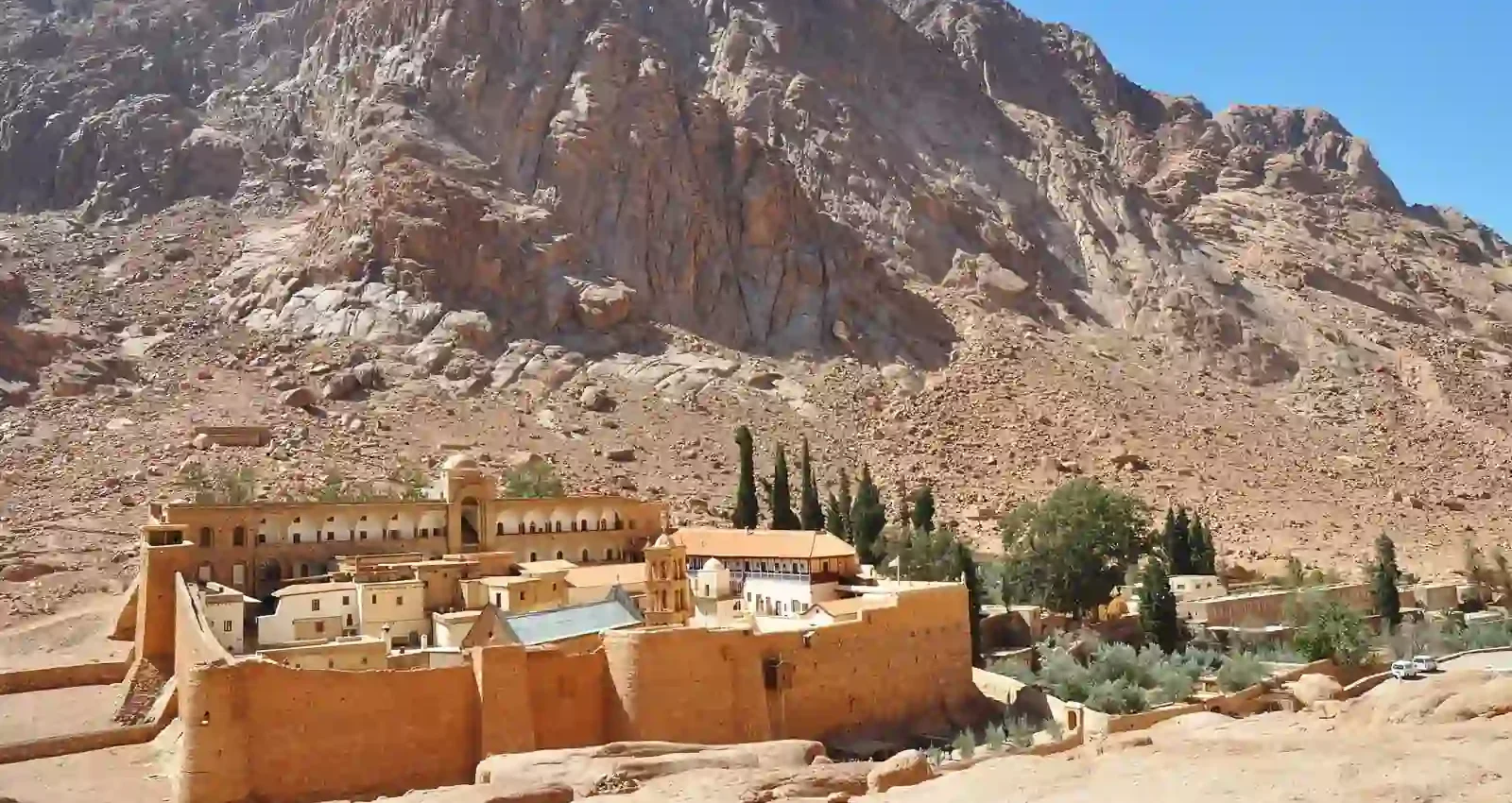
Saint Catherine’s Monastery, established around AD 330, is one of the oldest functioning Christian monasteries in the world. Located at the foot of Mount Sinai, it houses ancient manuscripts, icons, and relics. The monastery is built near the site of the biblical burning bush. Visitors can explore the church, library, and serene gardens within the monastery. Guided tours are available to explain its religious, historical, and architectural significance. The surrounding area includes hiking trails to Mount Sinai. The monastery attracts pilgrims, historians, and tourists alike. Entry is regulated, and photography is often allowed in designated areas. It is an important spiritual and cultural landmark.
10. Kerak and Madaba Combined Tour
A combined tour of Kerak Castle and Madaba provides visitors with an in-depth exploration of Jordan’s medieval and Byzantine heritage. Tourists can explore the crusader fortress, historical churches, and ancient mosaics. Guides explain the significance of each site, including the strategic importance of Kerak Castle and the religious treasures of Madaba. The tour also covers local markets and souvenir shops, giving travelers a cultural experience. Scenic landscapes between the sites offer great photography opportunities. The tour is suitable for history enthusiasts and families. Transport arrangements are available for convenience. Visitors can enjoy a full day of exploration and education. Entry fees vary depending on the sites visited.
FAQs
1. How long does it take to drive from Riyadh to Petra?
The drive takes approximately 12–14 hours, depending on border crossings, stops, and road conditions.
2. Do I need a visa to enter Jordan from Saudi Arabia?
Yes, Saudi citizens need a Jordanian visa, which can often be obtained online or on arrival at the border.
3. Are there accommodations along the route?
Yes, towns like Wadi Musa, Aqaba, and Kerak offer hotels, guesthouses, and Bedouin camps for overnight stays.
4. Is it safe to travel by car between Riyadh and Petra?
The route is generally safe, but it is recommended to travel during daylight, carry water, and check border regulations beforehand.
5. What are the must-visit stops along the Riyadh–Petra route?
Key stops include Wadi Musa, Wadi Rum, Aqaba, Kerak Castle, Madaba, the Dead Sea, and Saint Catherine’s Monastery.
6. Can I do this trip in a single day?
It is possible but very tiring. Splitting the journey over 2–3 days is ideal to enjoy sightseeing and rest.
7. Are guided tours available for Petra and other stops?
Yes, guided tours are available in Petra, Kerak, Madaba, and other key sites for historical and cultural insights.
Final Thoughts
The journey from Riyadh to Petra is more than a drive; it is a cultural and historical adventure through some of the Middle East’s most fascinating landscapes. With stops at ancient castles, biblical sites, desert trails, and vibrant towns, travelers experience a rich blend of history, architecture, and natural beauty. From the awe-inspiring Treasury of Petra to the serenity of the Dead Sea, each stop adds depth and meaning to the journey. Planning your route with these highlights ensures an enriching, memorable, and safe adventure across deserts, mountains, and historic towns.