Traveling between Riyadh and Sharm El Sheikh is a journey that blends desert landscapes, historic cities, and stunning coastal scenery. Along the way, travelers can experience the cultural richness of the Middle East, passing through ancient towns and important religious and historical landmarks. The route offers opportunities to explore traditional markets, heritage sites, and scenic rest points. As the journey approaches the Red Sea, the scenery shifts to breathtaking coastal views and resort destinations. This trip is ideal for travelers seeking culture, history, and relaxation in one adventure. With thoughtful planning, the Riyadh–Sharm El Sheikh route becomes a memorable and enriching travel experience.
Top Best Stops Between Riyadh and Sharm El Sheikh
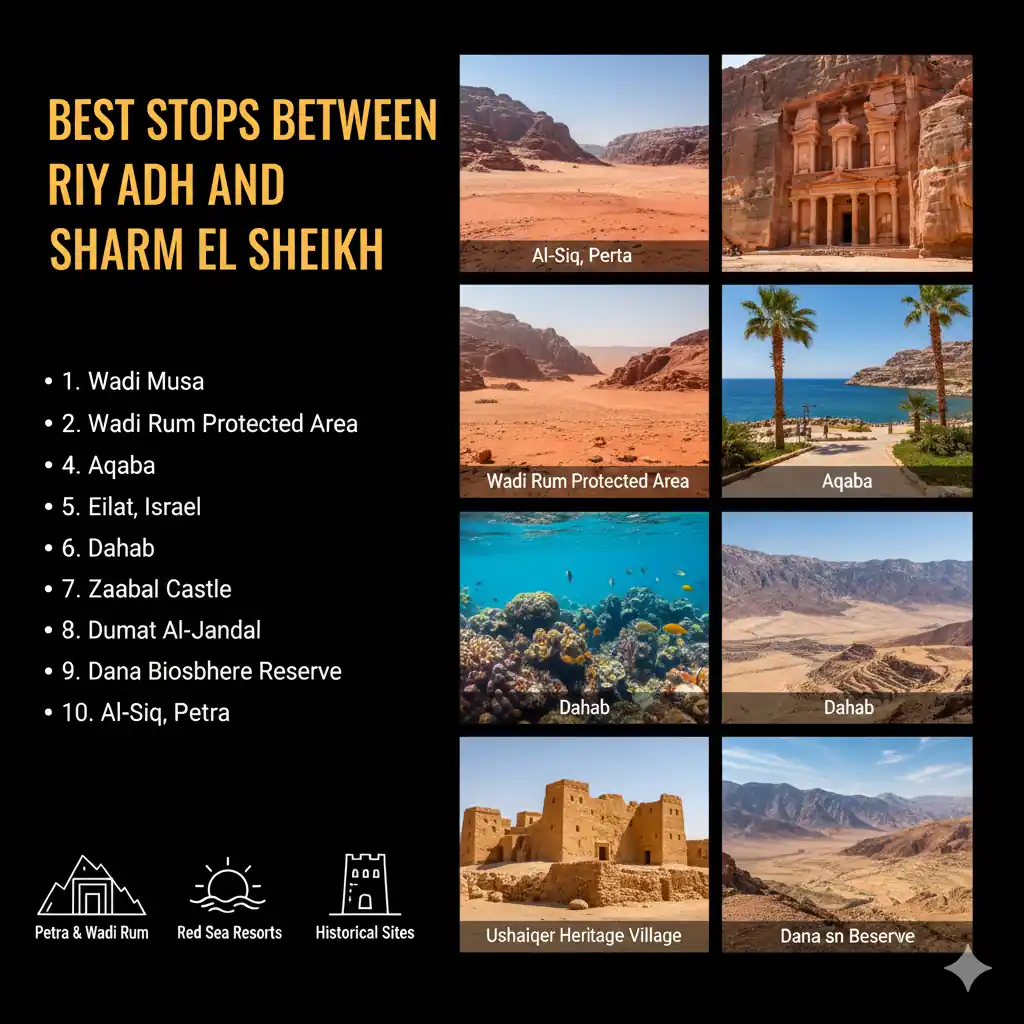
Traveling between Riyadh and Sharm El Sheikh offers a route filled with diverse cultural, historical, and natural attractions. Along the way, travelers can stop at ancient cities, desert landmarks, and traditional towns that reflect the region’s heritage. Scenic desert views and coastal stretches provide perfect opportunities for rest and photography. These well-chosen stops help break the long journey into enjoyable segments. Overall, the route combines adventure, culture, and relaxation for a rewarding travel experience.
1. Wadi Musa
Wadi Musa is a historic town in southern Jordan and serves as the main gateway to the ancient city of Petra. Located in the Ma’an Governorate, it lies just a few kilometers from Petra’s main entrance. The town is primarily inhabited by the Liyathnah tribe, who have long been connected to Petra’s history. Wadi Musa offers hotels, restaurants, and visitor facilities for travelers exploring the archaeological site. Many ancient remains, including Nabataean tombs and Byzantine mosaics, can be found nearby. The town receives hundreds of thousands of visitors annually. Its elevated location provides cooler temperatures compared to surrounding desert areas. Wadi Musa is an essential stop for cultural and historical exploration in Jordan.
2. Wadi Rum Protected Area
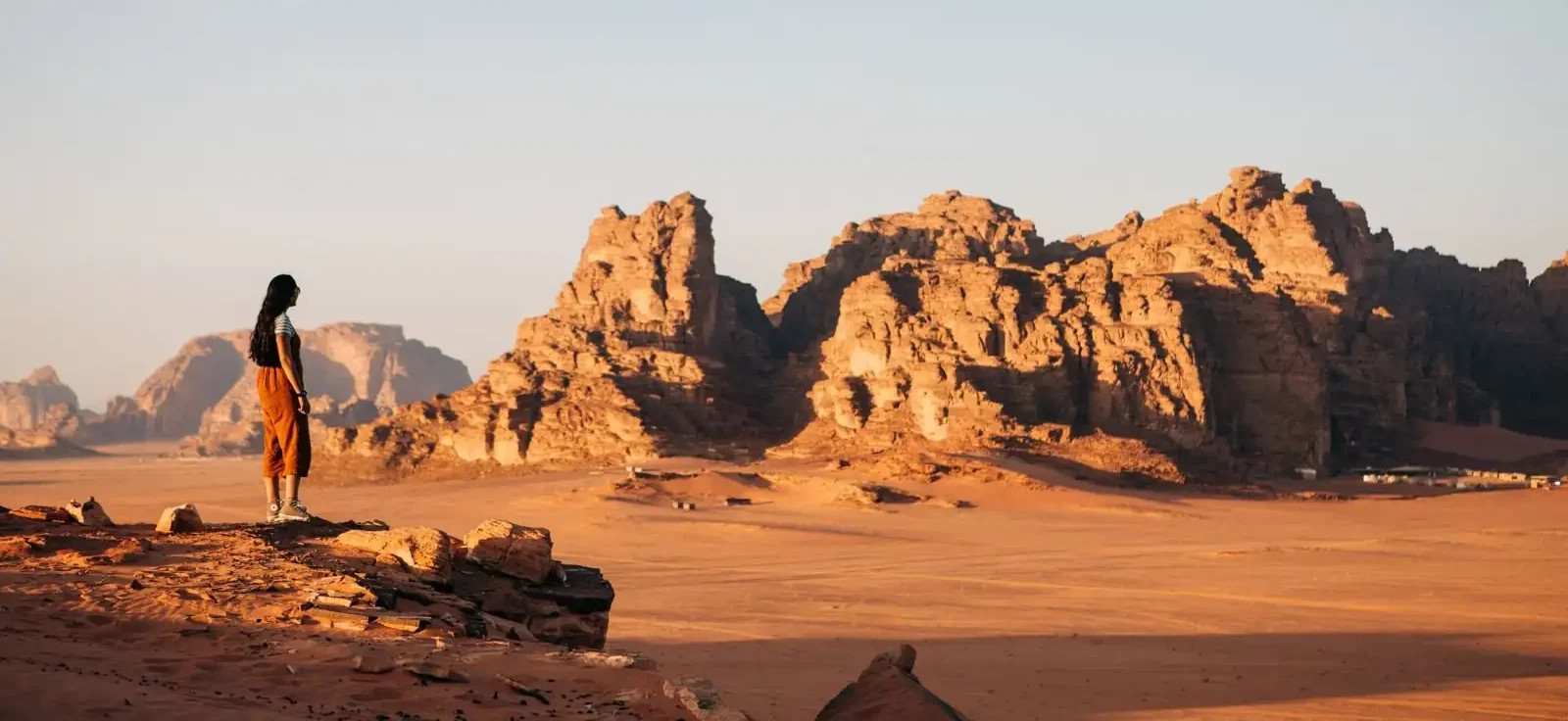
Wadi Rum Protected Area, also known as the Valley of the Moon, is one of Jordan’s most iconic desert landscapes. It is characterized by towering sandstone mountains, vast red sand dunes, and dramatic rock formations. The area has been featured in several international films due to its otherworldly scenery. Visitors can explore the desert through guided jeep tours, camel rides, and hiking trails. Bedouin camps offer overnight stays with traditional meals and stargazing experiences. Ancient inscriptions and petroglyphs are scattered across the cliffs. The protected area highlights both natural beauty and Bedouin culture. Wadi Rum is a must-visit destination for adventure and nature lovers.
3. Aqaba
Aqaba is Jordan’s only coastal city, located on the Red Sea at the Gulf of Aqaba. It has been continuously inhabited for thousands of years and played a vital role in regional trade routes. The city is famous for its clear waters, coral reefs, and marine biodiversity. Visitors enjoy activities such as snorkeling, scuba diving, and windsurfing. Aqaba Fort stands as a reminder of the city’s Islamic and Ottoman history. The waterfront area features resorts, cafes, and public beaches. Aqaba also serves as a transport hub for travel to neighboring countries. Its relaxed atmosphere makes it a popular stop for leisure and exploration.
4. Eilat, Israel
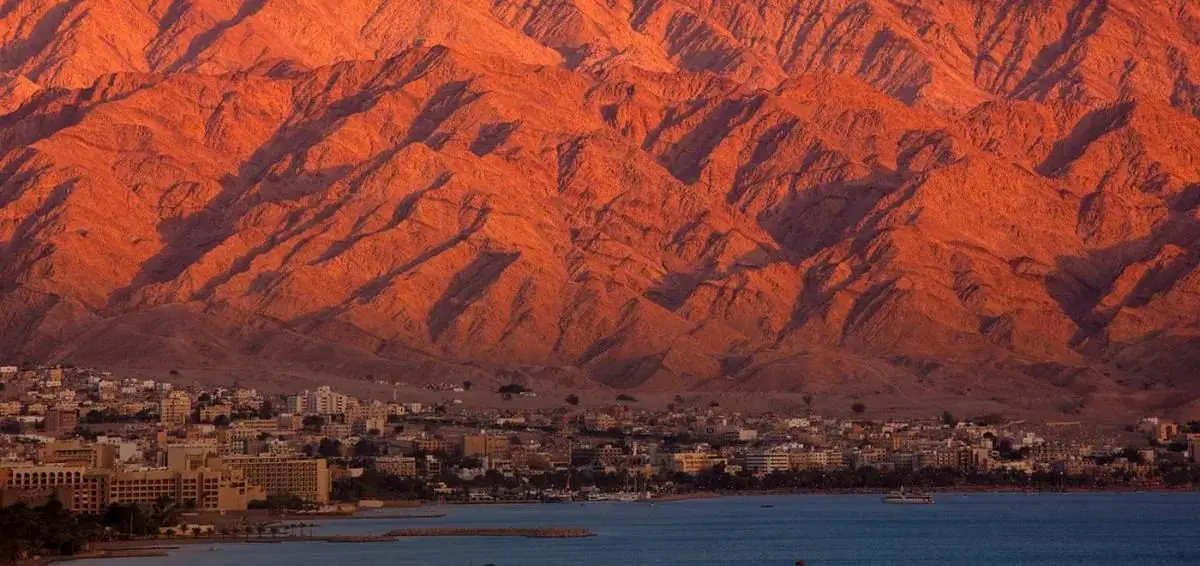
Eilat is a resort city located on Israel’s southern tip along the Red Sea. Known for its calm waters, it is a major destination for snorkeling and diving. Coral reefs near the shoreline provide vibrant underwater ecosystems. The city offers beaches, promenades, shopping centers, and family-friendly attractions. Dolphin Reef allows visitors to observe dolphins in a controlled natural environment. Eilat also serves as a gateway to desert parks and nature reserves nearby. The city enjoys year-round sunshine and warm temperatures. Its tourism-focused infrastructure makes it an easy and comfortable stop for travelers.
5. Dahab
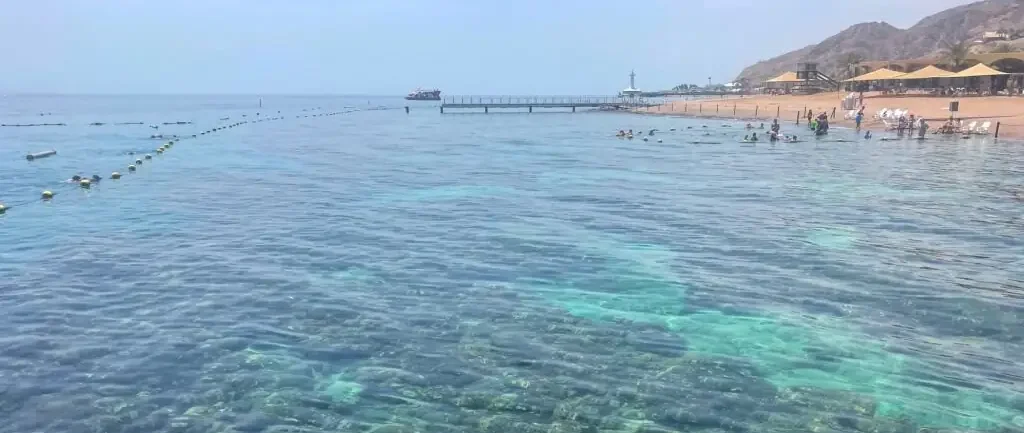
Dahab is a small coastal town on Egypt’s Sinai Peninsula, known for its relaxed and bohemian atmosphere. Originally a Bedouin fishing village, it has grown into a popular destination for divers and backpackers. The town is divided into areas such as Masbat and Asalah, each offering unique local experiences. Dahab is famous for world-class dive sites, including the Blue Hole. Cafés, beachside restaurants, and markets line the waterfront. The surrounding desert and mountains offer hiking and adventure opportunities. Dahab maintains a slower pace compared to larger resorts. Its natural beauty and cultural charm attract travelers seeking tranquility. Explore Mediterranean coastlines with Best Stops Between Riyadh and Alanya and Best Stops Between Riyadh and Antalya.
6. Ushaiqer Heritage Village
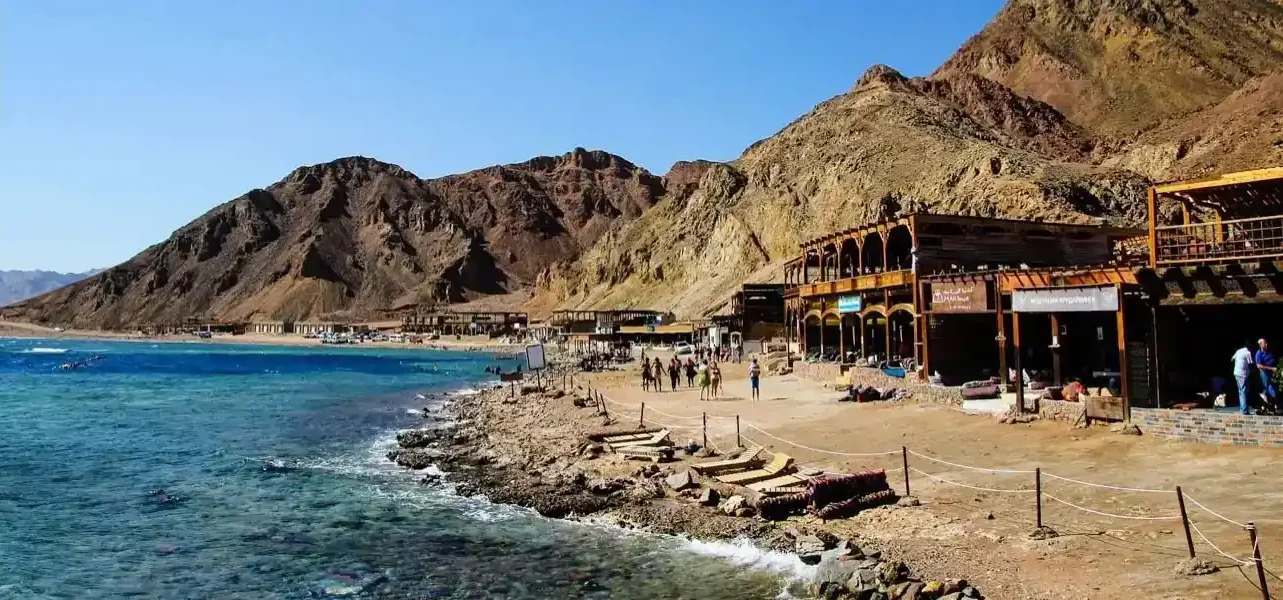
Ushaiqer Heritage Village is one of the oldest settlements in the Najd region of Saudi Arabia. Located about two hours from Riyadh, it is known for its preserved mud-brick architecture. The village features narrow alleyways, traditional homes, and historic mosques. A local museum showcases old household items and cultural artifacts. Visitors can walk along the village walls and explore its historic layout. Ushaiqer reflects traditional Najdi lifestyle and heritage. The site is well-maintained and accessible for families. It offers a glimpse into Saudi Arabia’s architectural and cultural past.
7. Zaabal Castle
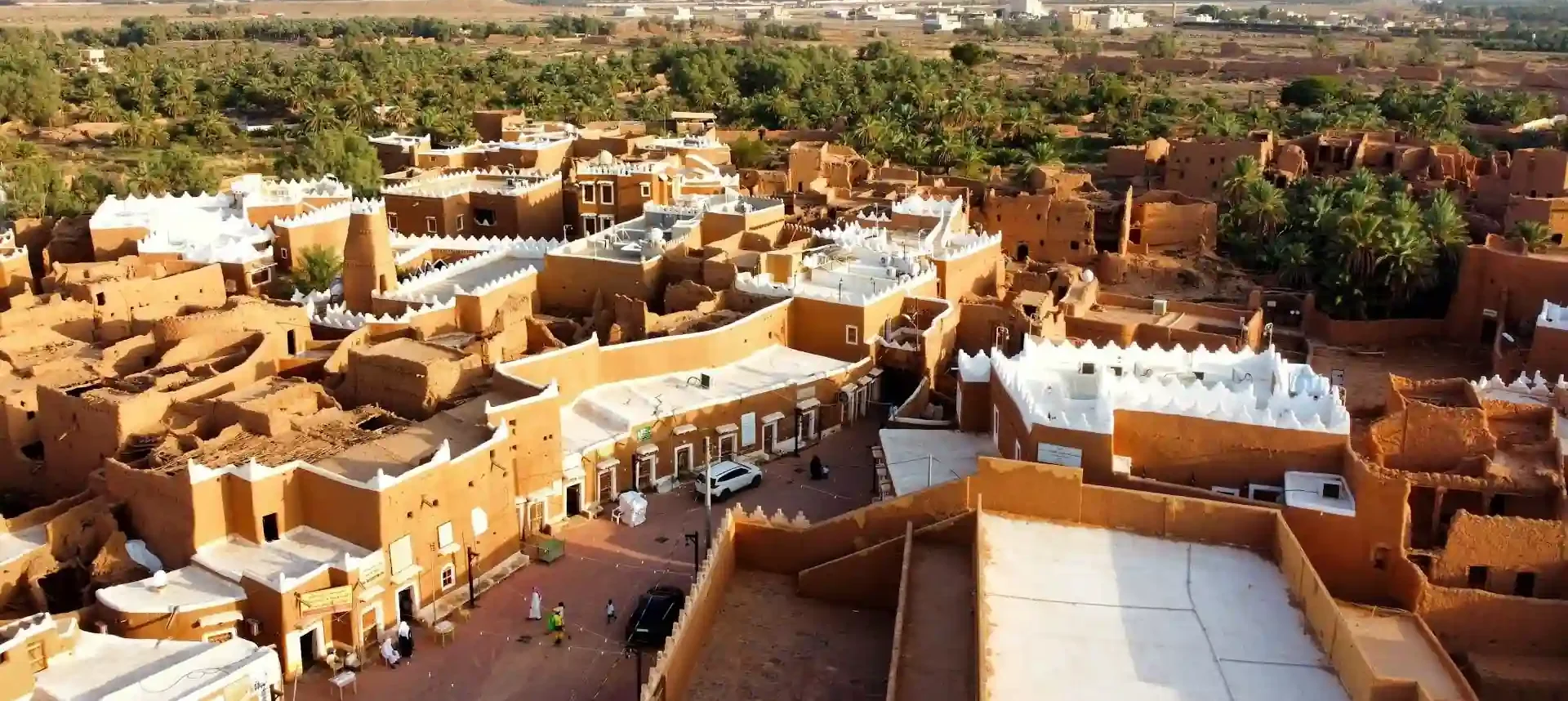
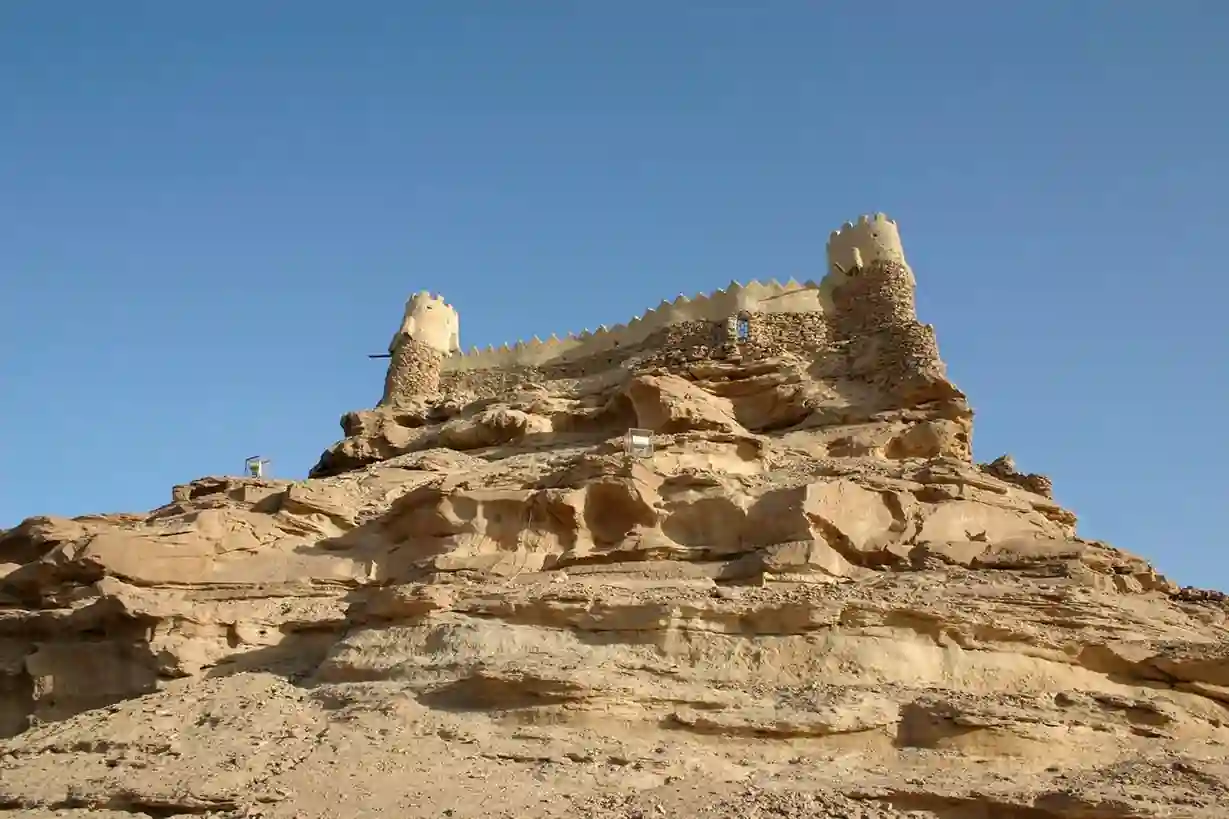
Zaabal Castle is a historic fortress located near Sakakah in northern Saudi Arabia. Built from sandstone and clay, it dates back to the first century AD. The castle sits on a hilltop, offering panoramic views of the surrounding area. It features watchtowers and a water reservoir that highlight ancient defensive strategies. Zaabal Castle played an important role in protecting local trade routes. Visitors can explore the remains and learn about regional history. The site reflects early Arabian fortification techniques. It is a quiet yet culturally significant stop for history enthusiasts.
8. Dumat Al-Jandal
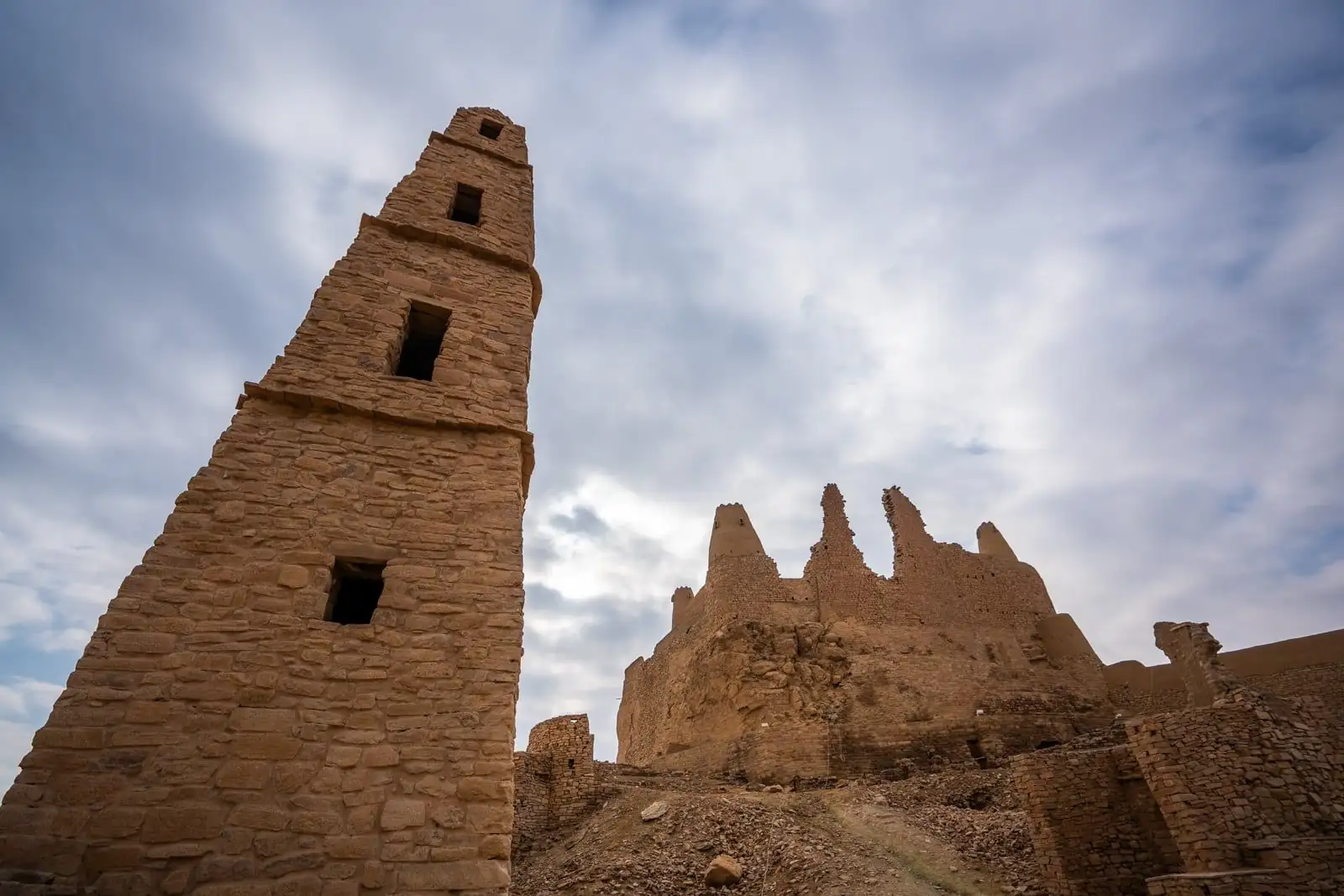
Dumat Al-Jandal is an ancient city located in the Al-Jawf region of northwestern Saudi Arabia. It has a history dating back thousands of years and was once a key settlement along caravan routes. The area contains archaeological ruins, old mosques, and stone structures. Dumat Al-Jandal is closely associated with early Islamic and pre-Islamic history. Nearby landmarks include ancient forts and wells. The region offers insight into Arabia’s early urban development. Visitors can explore open archaeological areas at a relaxed pace. It remains an important historical destination in Saudi Arabia.
9. Dana Biosphere Reserve
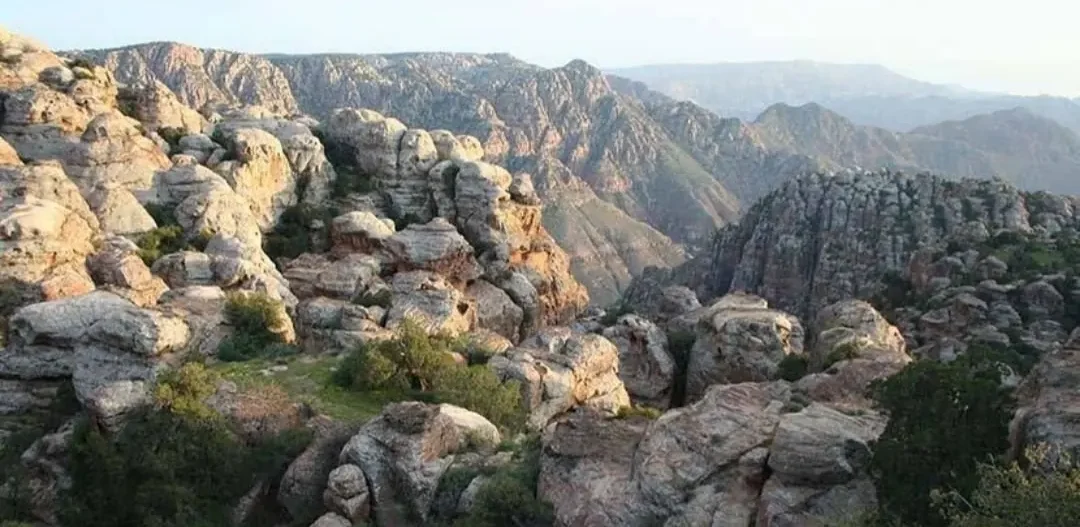
Dana Biosphere Reserve is Jordan’s largest nature reserve, covering diverse landscapes and ecosystems. It stretches from high sandstone cliffs to desert lowlands near Wadi Araba. The reserve is home to hundreds of plant species and many bird and animal species. Hiking trails range from easy walks to challenging treks. Traditional villages within the reserve highlight local culture and conservation efforts. Dana is known for eco-tourism and sustainable travel initiatives. The scenery changes dramatically with elevation. It offers a peaceful environment for nature lovers and hikers.
10. Al-Siq, Petra
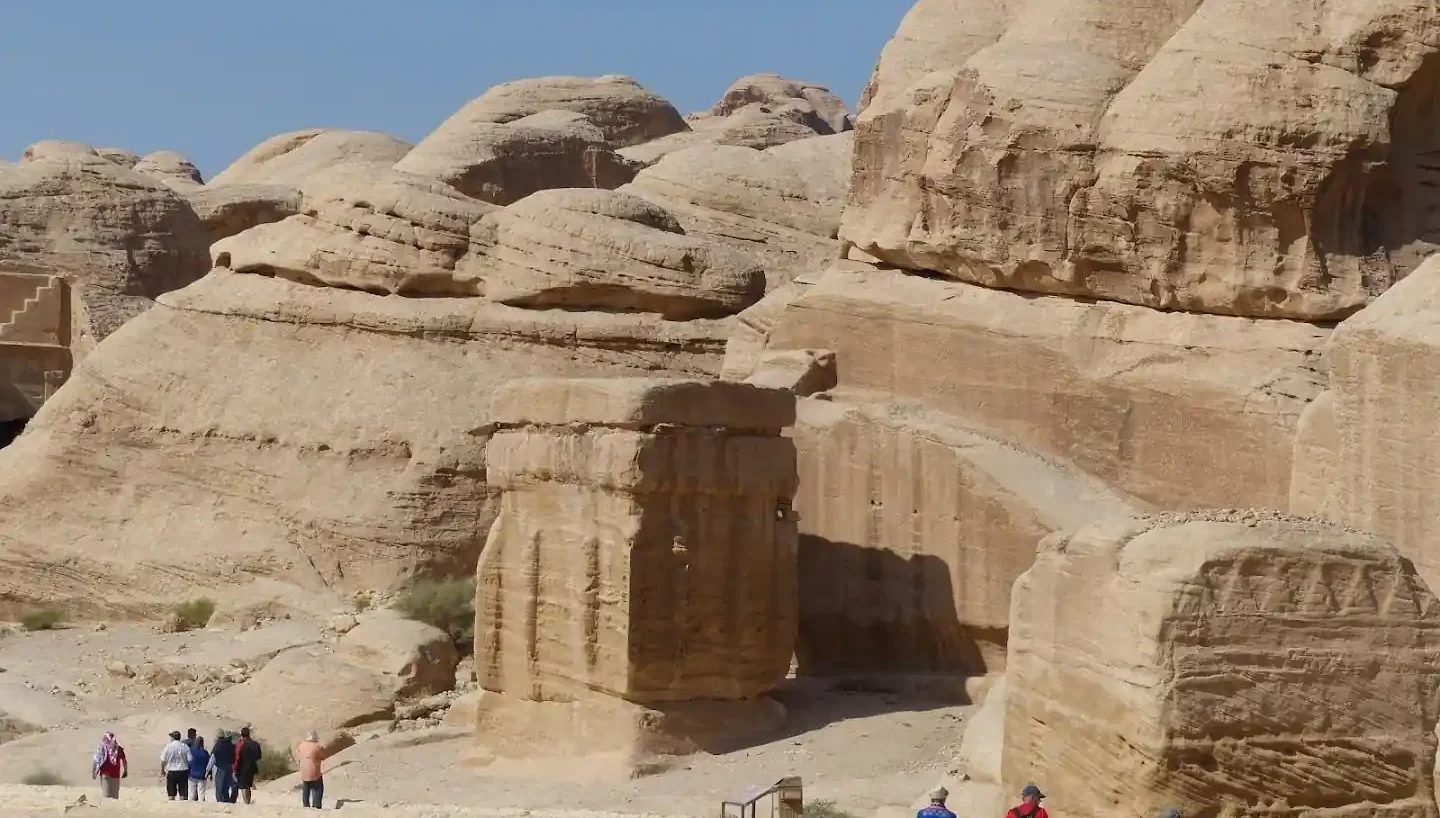
Al-Siq is a narrow canyon that serves as the dramatic entrance to the ancient city of Petra. Stretching over one kilometer, it winds between towering rock walls. The passage features natural rock formations and carved water channels. Walking through Al-Siq builds anticipation before reaching the Treasury. The canyon holds deep historical and spiritual significance. Visitors often take 30 to 40 minutes to walk through it. Natural light changes the colors of the stone throughout the day. Al-Siq is one of Petra’s most memorable experiences.
11. The Treasury (Al-Khazneh), Petra
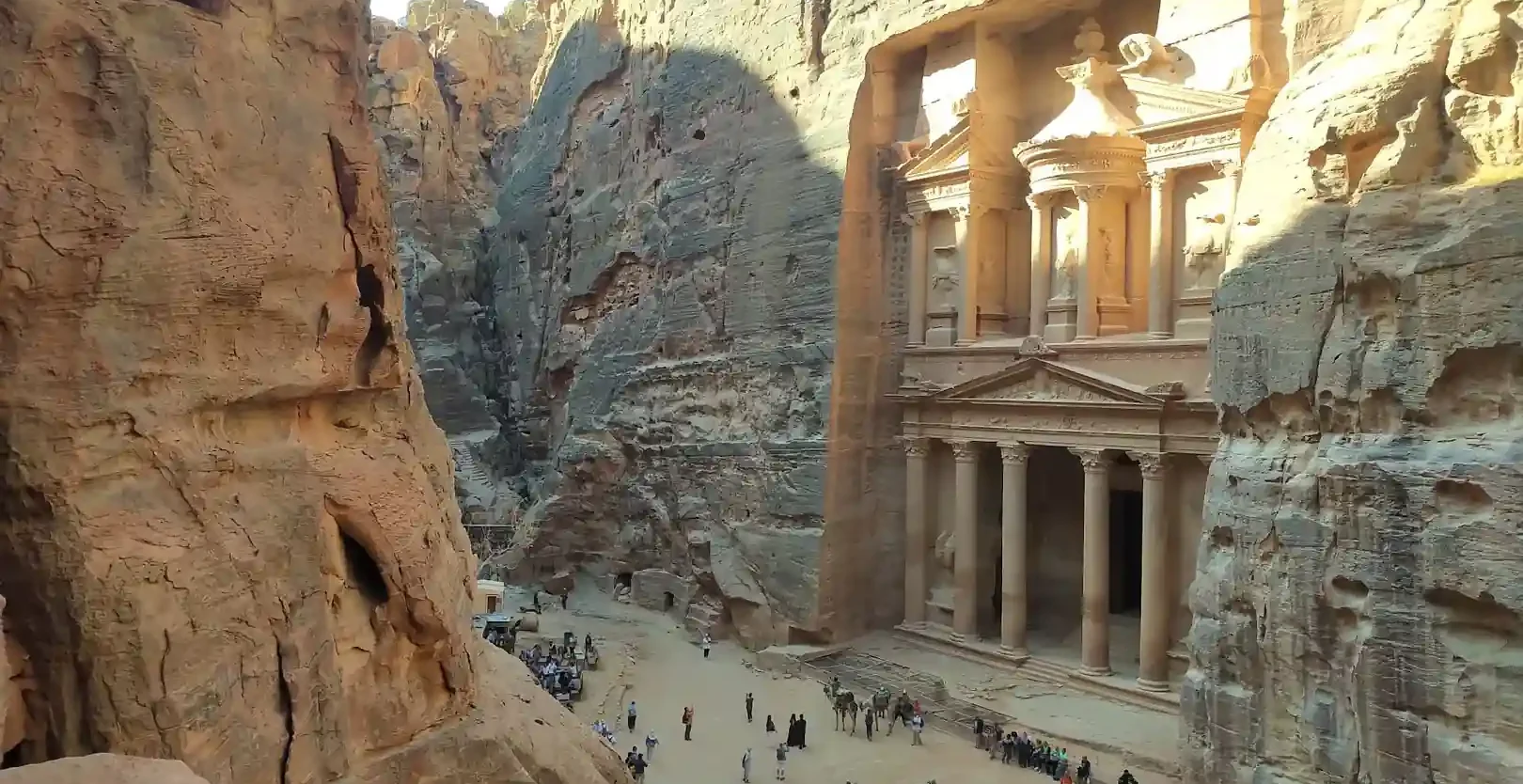
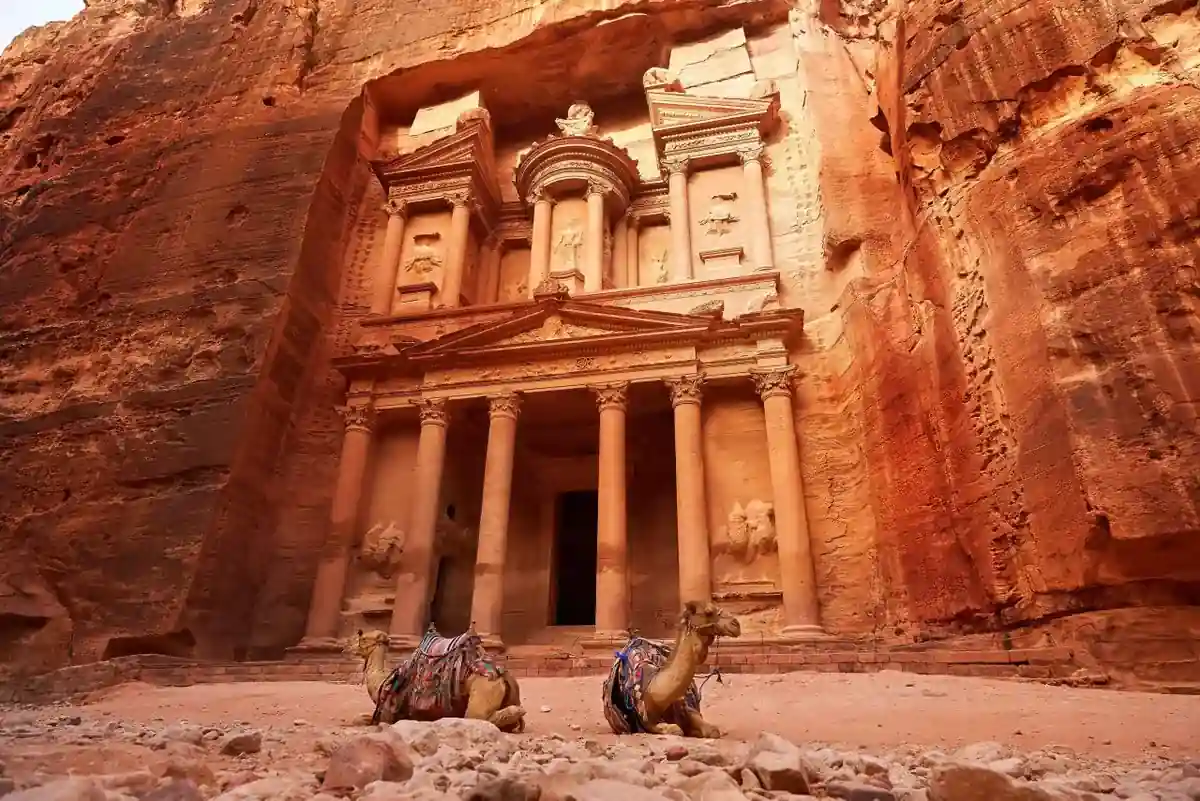
The Treasury is Petra’s most famous monument, carved directly into rose-colored sandstone cliffs. Believed to be a royal tomb, it dates back to the Nabataean period. Its detailed façade showcases Hellenistic architectural influences. The structure gained worldwide fame through films and photography. Visitors encounter it dramatically after exiting the Siq. The monument stands as a symbol of Petra’s craftsmanship. Despite centuries of exposure, its carvings remain remarkably preserved. The Treasury is a highlight of Jordanian heritage.
12. High Place of Sacrifice, Petra
The High Place of Sacrifice is a ceremonial site located on a mountain overlooking Petra. Reaching it requires a steep climb or donkey ride. The site includes altars and channels used for ancient rituals. From the top, visitors enjoy sweeping views of Petra’s valleys. The location offers insight into Nabataean religious practices. The hike is physically demanding but rewarding. Surrounding rock formations enhance the experience. It remains one of Petra’s most scenic viewpoints.
13. Petra Archaeological Park
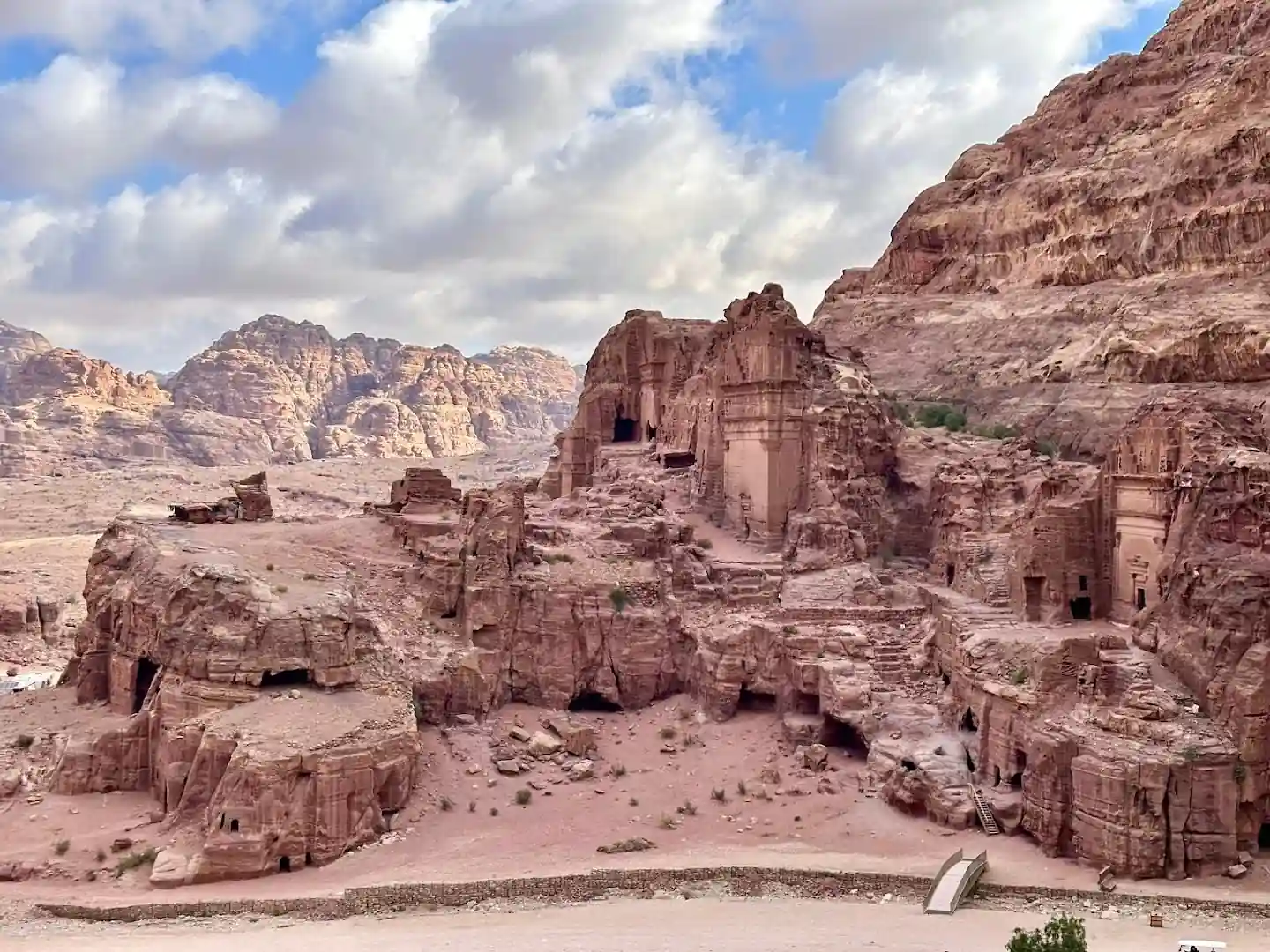
Petra is a UNESCO World Heritage Site and one of the world’s most famous archaeological cities. Built by the Nabataeans over 2,000 years ago, it features tombs, temples, and theaters carved into stone. The city was a major trade hub connecting Arabia, Egypt, and the Mediterranean. Visitors often spend multiple days exploring its vast area. Petra’s rose-red cliffs change color with sunlight. The site reflects advanced engineering and artistry. It remains Jordan’s most visited attraction. Petra offers an unforgettable historical journey.
14. Ad-Deir (The Monastery)
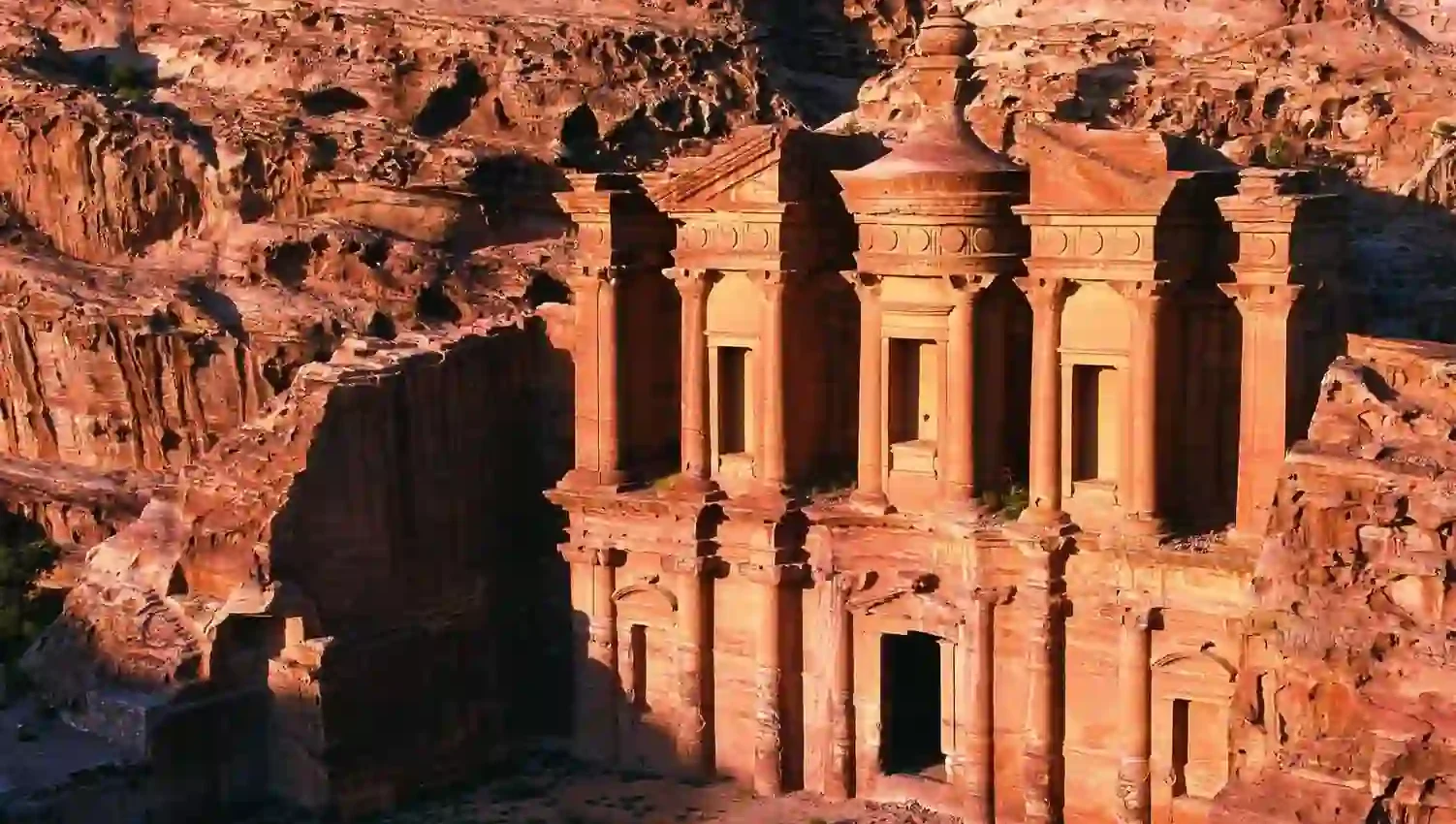
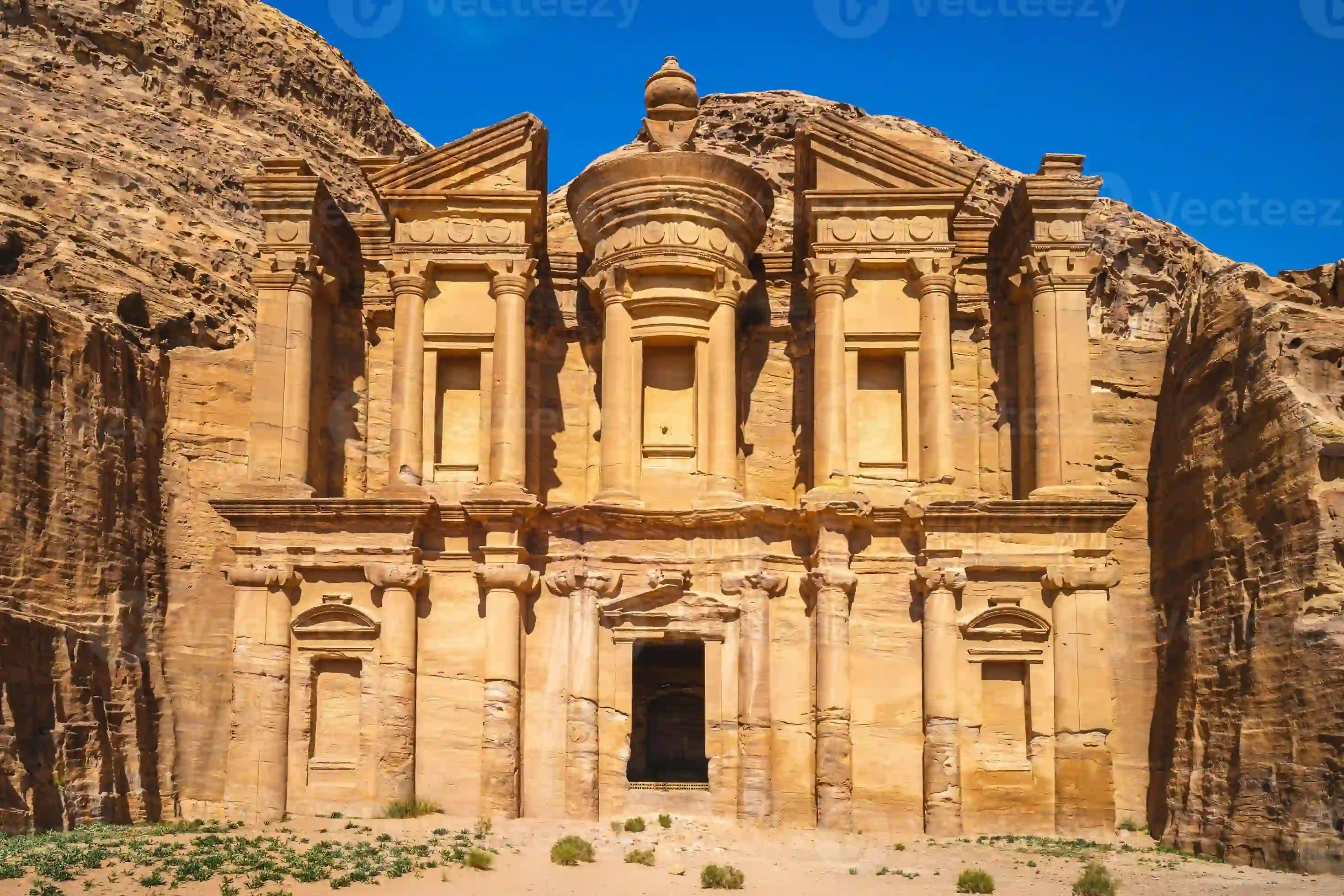
Ad-Deir, known as the Monastery, is one of Petra’s largest monuments. It dates back to the third century BC and served religious purposes. The hike to the site includes hundreds of stone steps. The climb is challenging but offers scenic views along the way. The massive façade is simpler yet larger than the Treasury. Visitors often enjoy sunset views from the plateau. The surrounding area provides quiet resting spots. The Monastery showcases Nabataean grandeur and scale.
15. Underwater Observatory Park
Underwater Observatory Park is a major marine attraction located along Eilat’s Coral Reserve. The park allows visitors to observe marine life without diving. An underwater tower provides views of coral reefs and tropical fish. Educational exhibits explain Red Sea ecosystems and conservation. The park includes aquariums, turtle pools, and shark displays. Families and children find it especially engaging. The facility promotes marine awareness and protection. It offers a unique way to experience Red Sea biodiversity.

FAQs
1. Is it possible to travel by road from Riyadh to Sharm El Sheikh?
Yes, the journey is possible by road using routes through Saudi Arabia, Jordan, Israel, and Egypt, but it requires careful planning, border crossings, and visas.
2. What is the best time to travel this route?
The best time is between October and April, when temperatures are cooler and more suitable for desert travel and sightseeing.
3. How many days are ideal for this trip?
A well-paced trip usually takes 10–14 days to comfortably explore major stops like Petra, Wadi Rum, Aqaba, and the Red Sea destinations.
4. Are these stops suitable for families?
Yes, many stops such as Petra, Aqaba, Eilat, and Dahab offer family-friendly accommodations and activities.
5. Do I need guides for archaeological and nature sites?
While not mandatory, local guides enhance the experience, especially in places like Petra, Wadi Rum, and nature reserves.
Final Thoughts
The journey between Riyadh and Sharm El Sheikh is more than a long-distance route, it is a passage through some of the Middle East’s most remarkable landscapes and civilizations. From ancient Nabataean cities and desert wonders to vibrant Red Sea coastlines, each stop adds depth and character to the trip. The contrast between rugged deserts and tranquil coastal resorts creates a balanced travel experience. With proper planning, this route offers culture, adventure, and relaxation in one unforgettable journey. It is an ideal choice for travelers seeking both history and natural beauty in a single itinerary.