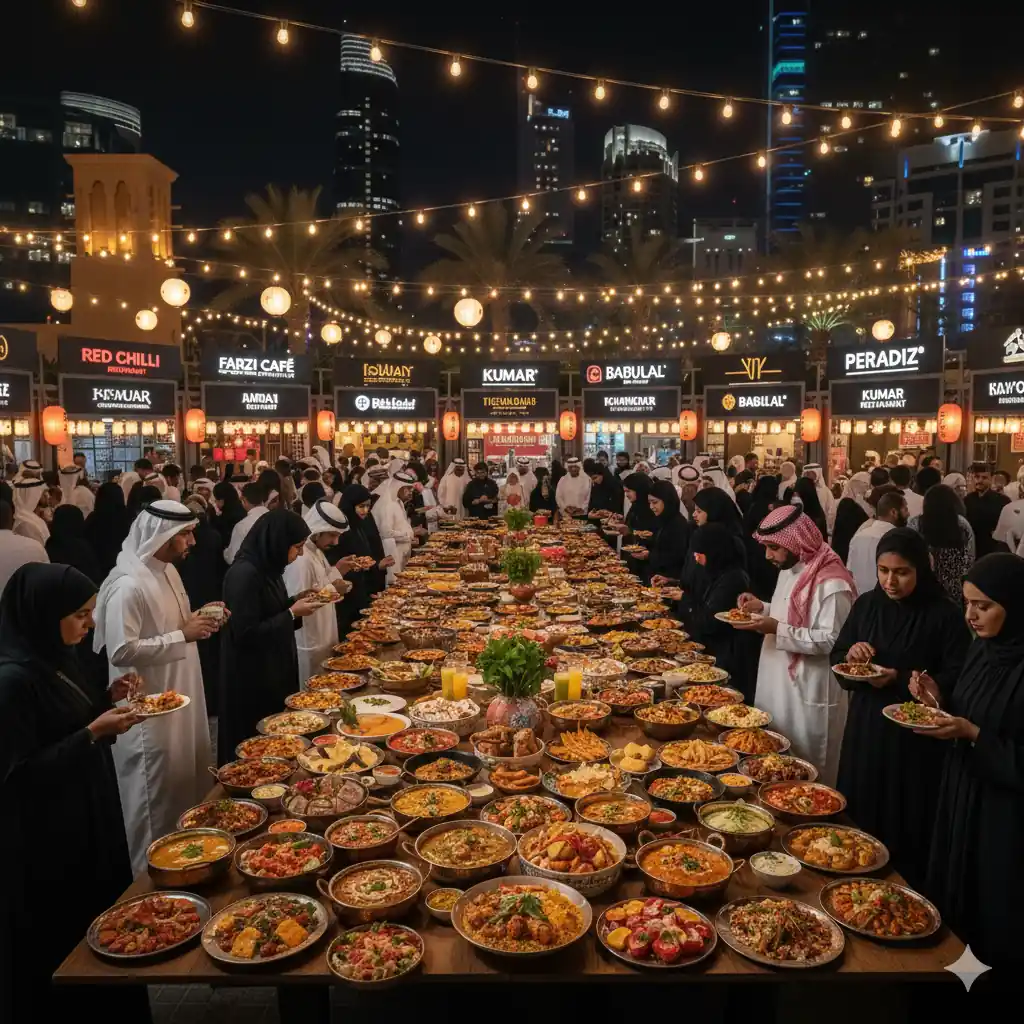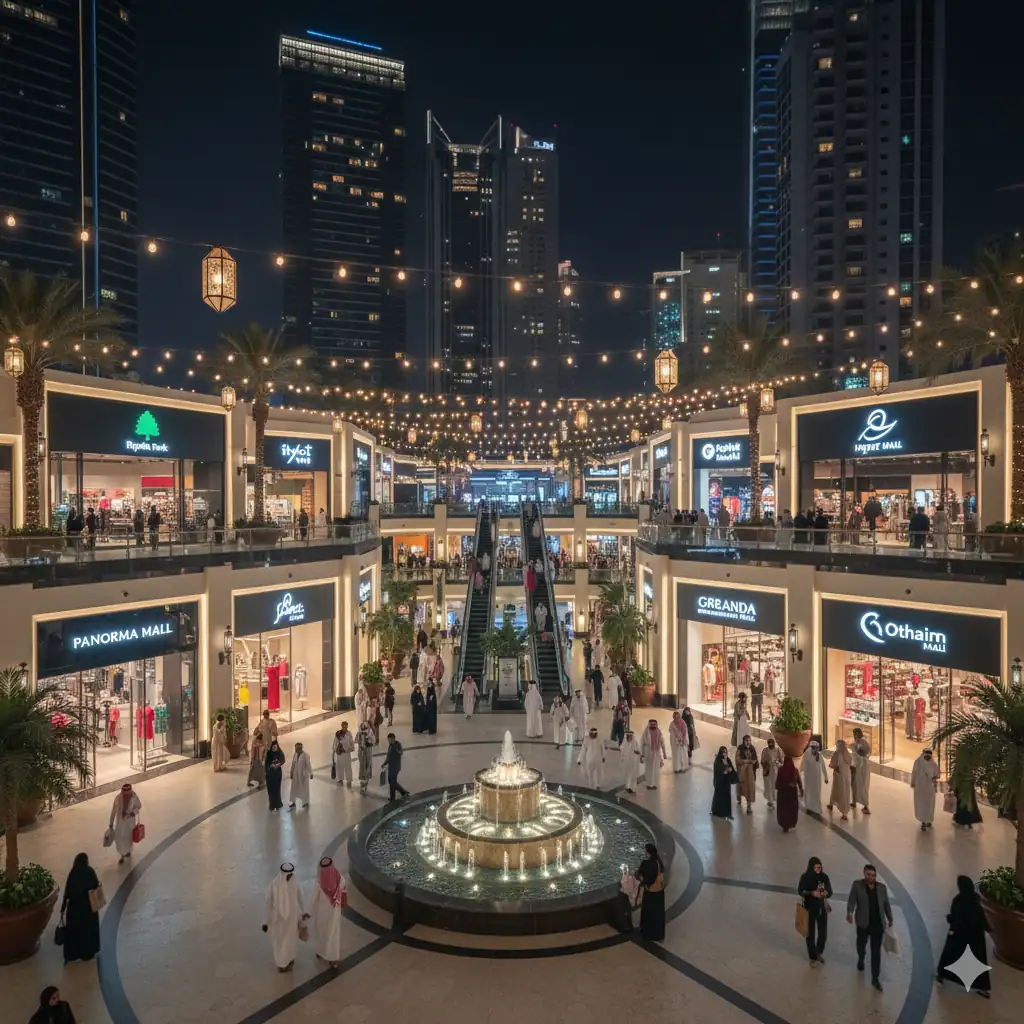
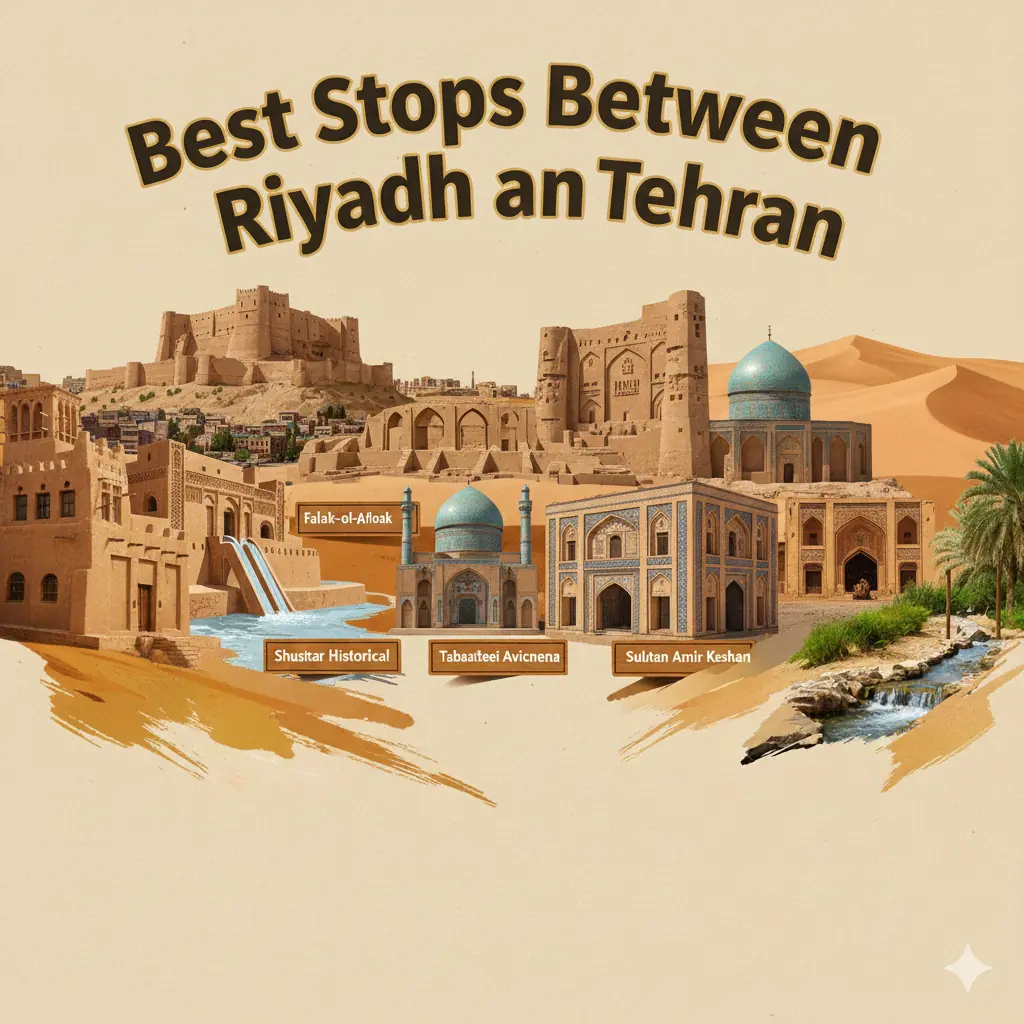
Traveling between Riyadh and Tehran offers a fascinating journey that connects the Arabian Peninsula with the heart of Iran’s rich cultural landscape. The route passes through historic regions shaped by ancient trade routes and powerful empires. Along the way, travelers encounter desert plains, coastal cities, mountain ranges, and vibrant urban centers. Each stop reveals unique architecture, traditions, and local cuisine. From modern Gulf cities to centuries-old Persian landmarks, the journey is diverse and engaging. This route blends history, culture, and scenic beauty into a truly memorable travel experience.
Top best Stops Between Riyadh and Tehran
Traveling between Riyadh and Tehran includes several rewarding stops that enrich the overall journey. Along the route, travelers can explore modern Gulf cities, historic marketplaces, and ancient cultural landmarks. The scenery shifts from vast desert landscapes to coastal views and mountainous regions. Traditional bazaars, museums, and heritage sites highlight the region’s deep history. These stops make the Riyadh–Tehran route culturally rich and visually diverse.
1. Shushtar Historical Hydraulic System
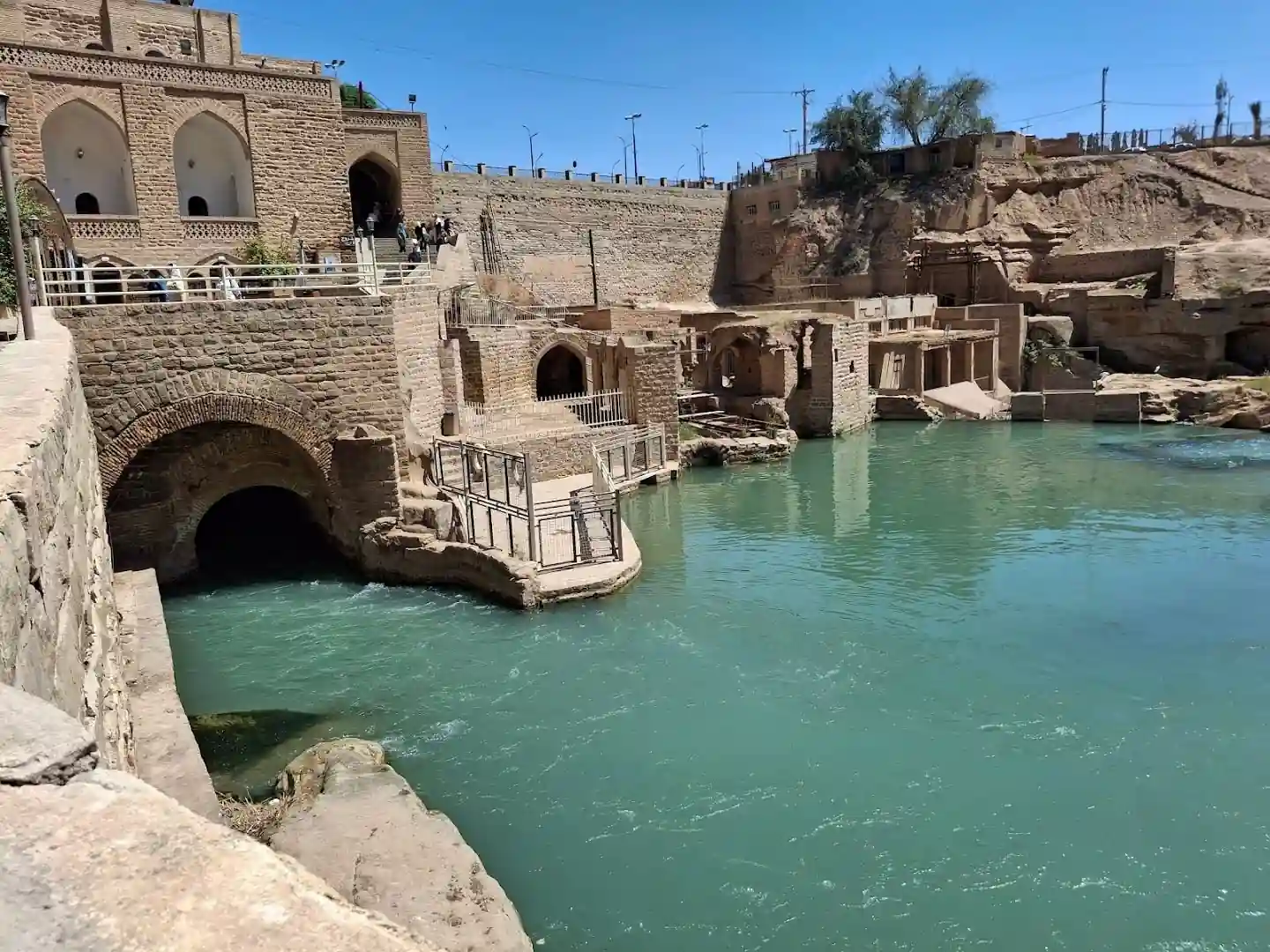
The Shushtar Historical Hydraulic System is a UNESCO World Heritage Site and one of the greatest engineering achievements of ancient Persia. Built over a thousand years ago, it skillfully diverts water from the Karun River using canals, bridges, dams, and tunnels. The most impressive feature is the ancient watermills powered by artificial waterfalls. These mills are located in a narrow ravine, creating a dramatic and scenic view. At night, the site is beautifully floodlit. Visitors can explore multiple viewpoints and stairways. Although not fully accessible, the experience is unforgettable. The site reflects Iran’s advanced knowledge of water management.
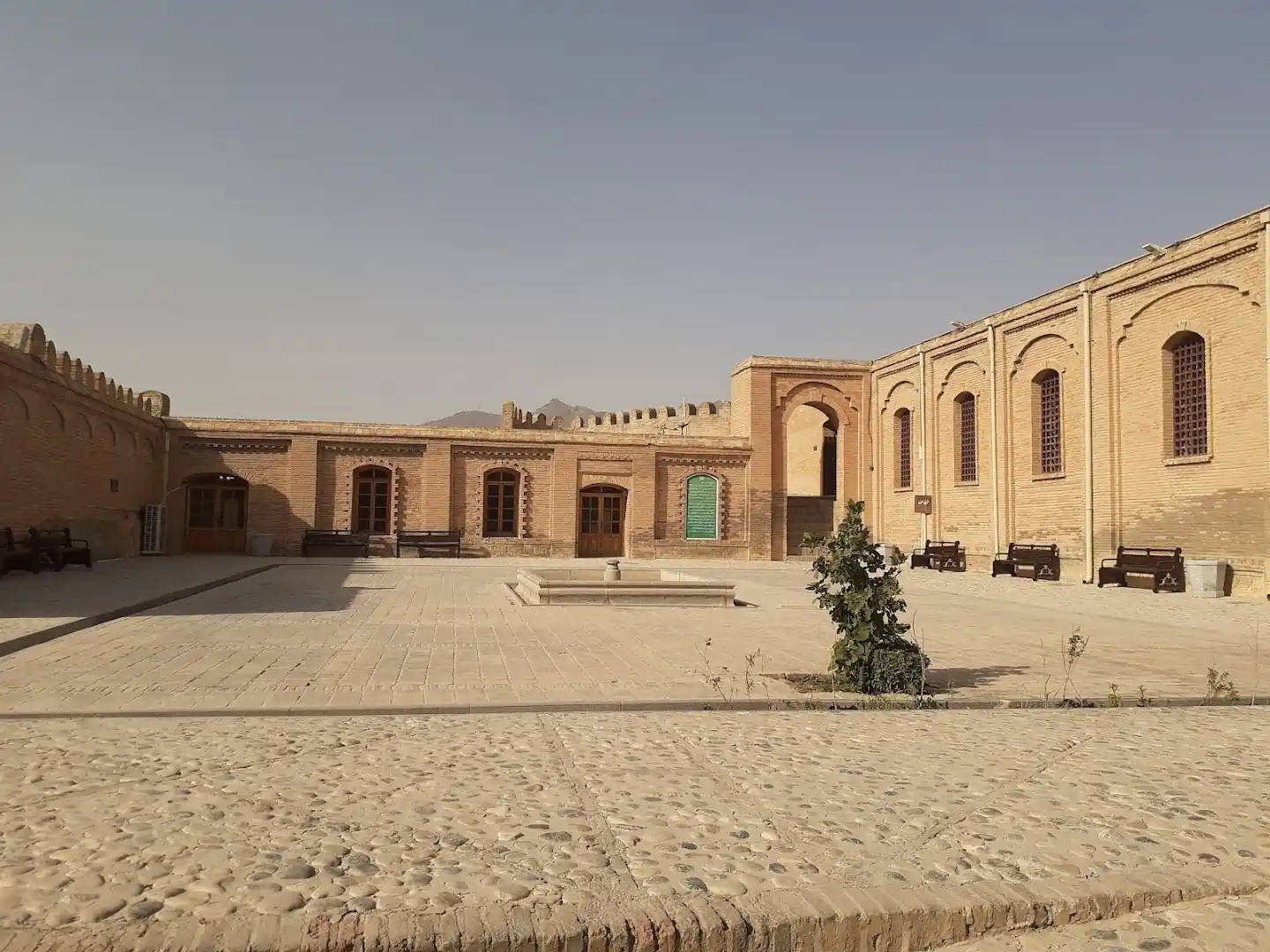
2. Falak-ol-Aflak Castle, Khorramabad
Falak-ol-Aflak Castle is a massive fortress dating back to the Sassanid era. It stands proudly on a hill overlooking the city of Khorramabad. The castle once served as a military stronghold and royal residence. Built with stone, brick, plaster, and lime, it features thick defensive walls. A river flowing nearby adds to the scenic beauty. Today, the castle houses museums showcasing regional history. The elevated location offers panoramic city views. It is one of Lorestan’s most important landmarks. The castle represents Iran’s ancient defensive architecture.
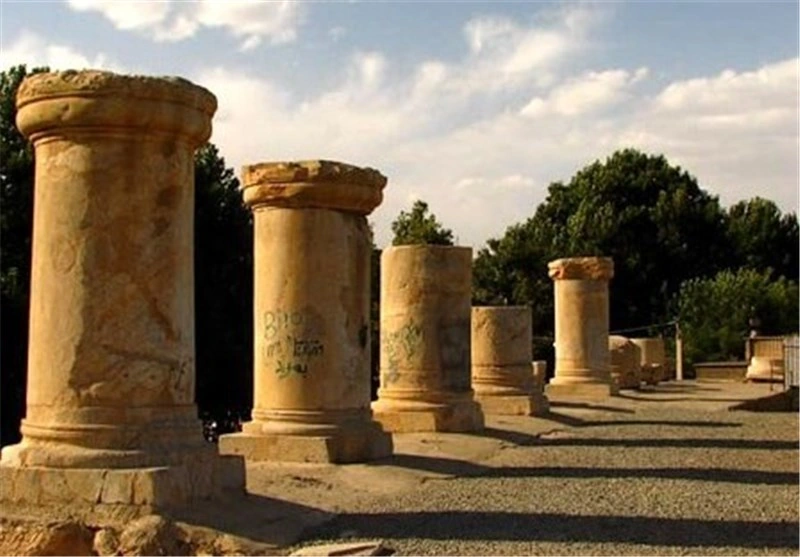
3. Anahita Temple, Kangavar
The Anahita Temple is one of Iran’s oldest and largest stone structures. Dedicated to the ancient goddess Anahita, it reflects both Persian and Hellenistic architectural styles. The temple stands on a massive stone platform. Although partially ruined, its grand staircases and outer walls remain visible. The site dates back to pre-Islamic times. Visitors can sense its historical and spiritual importance. The elevated position offers wide views of the surrounding area. It is a key archaeological site in western Iran. The temple highlights Iran’s ancient religious traditions.
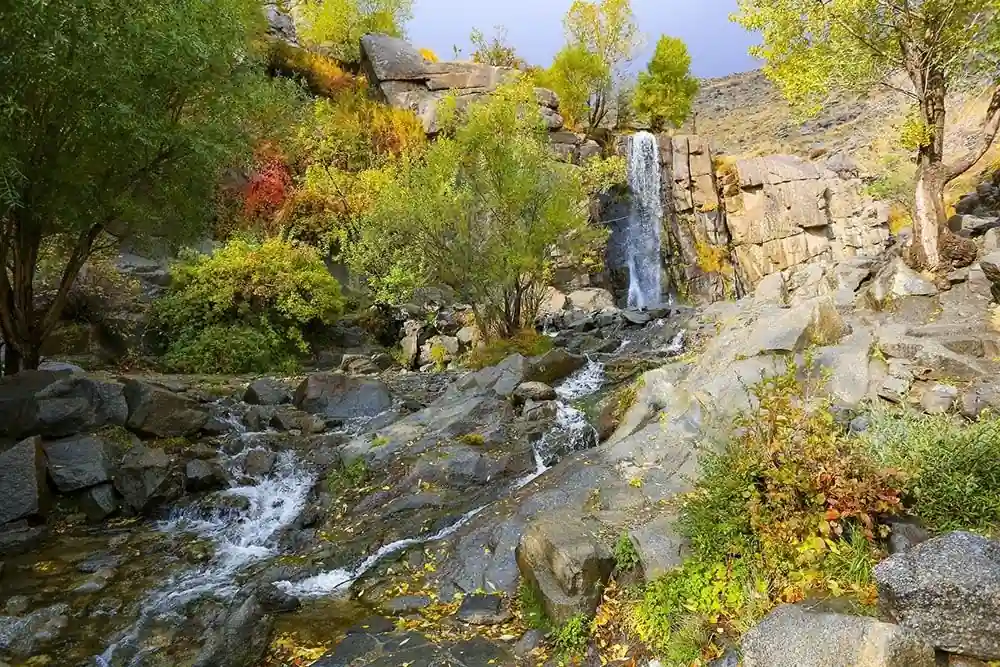
4. Ganjnameh Ancient Inscriptions
Ganjnameh is a historic site featuring inscriptions carved into Mount Alvand. These inscriptions were ordered by Darius the Great and Xerxes around 500 BC. Written in Old Persian, Elamite, and Babylonian, they glorify royal power and divine support. The location is surrounded by mountains and waterfalls. Recreational facilities and food stalls enhance the visit. Information boards help visitors understand the texts. The area is lively yet educational. It combines nature with ancient history. Ganjnameh is a must-see in Hamadan.
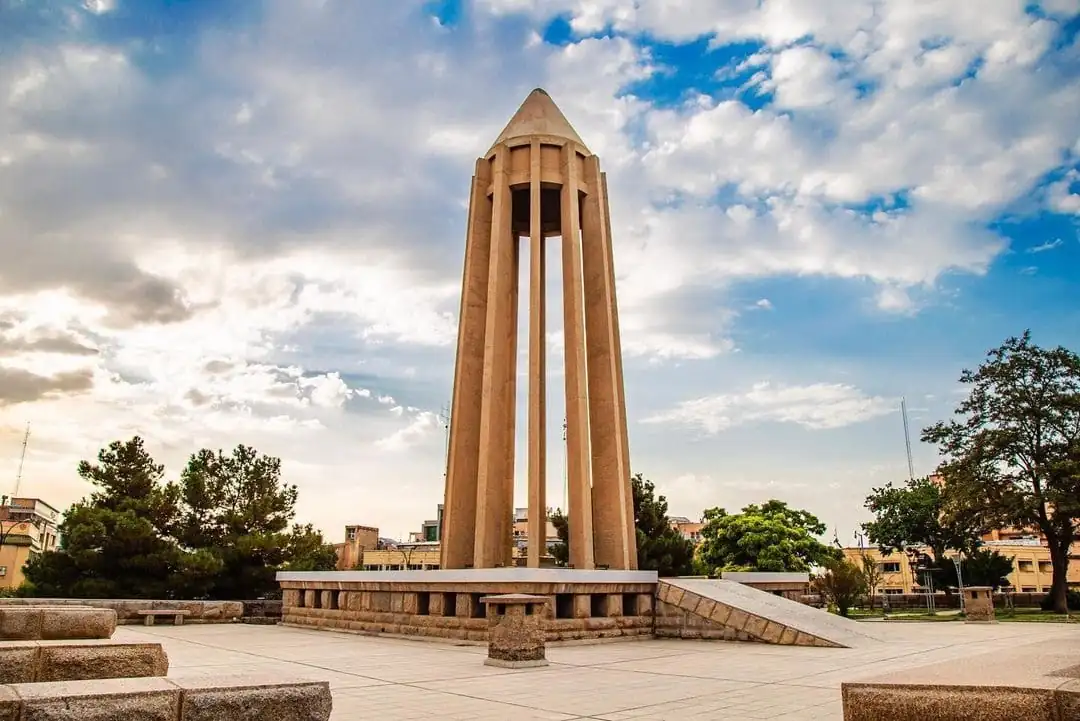
5. Mausoleum of Avicenna
The Mausoleum of Avicenna honors one of the greatest scholars of the Islamic Golden Age. Located in central Hamadan, it blends modern and traditional Iranian architecture. The complex includes a tomb, museum, and library. Inside, visitors find manuscripts and scientific exhibits. The site attracts scholars, students, and tourists. A large statue of Avicenna stands nearby. The atmosphere is calm and reflective. Entry is affordable and accessible. The mausoleum celebrates Iran’s intellectual legacy.
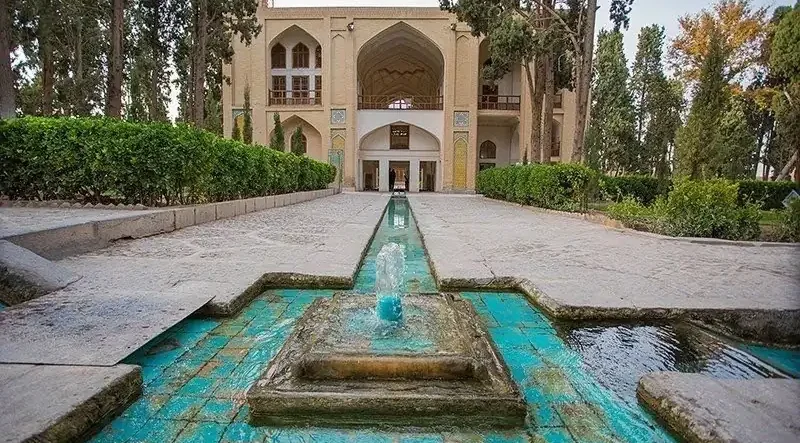
6. Fin Garden
Fin Garden is a historic Persian garden dating back to the Safavid era. Despite being in a desert region, it remains lush and green. The garden features flowing water channels and turquoise pools. Tall cypress trees provide shade and serenity. Architectural elements from Safavid, Zand, and Qajar periods are visible. The garden is enclosed by walls, creating a peaceful retreat. It is also linked to the history of Amir Kabir. Visitors enjoy both beauty and history. Fin Garden is a UNESCO-listed masterpiece.
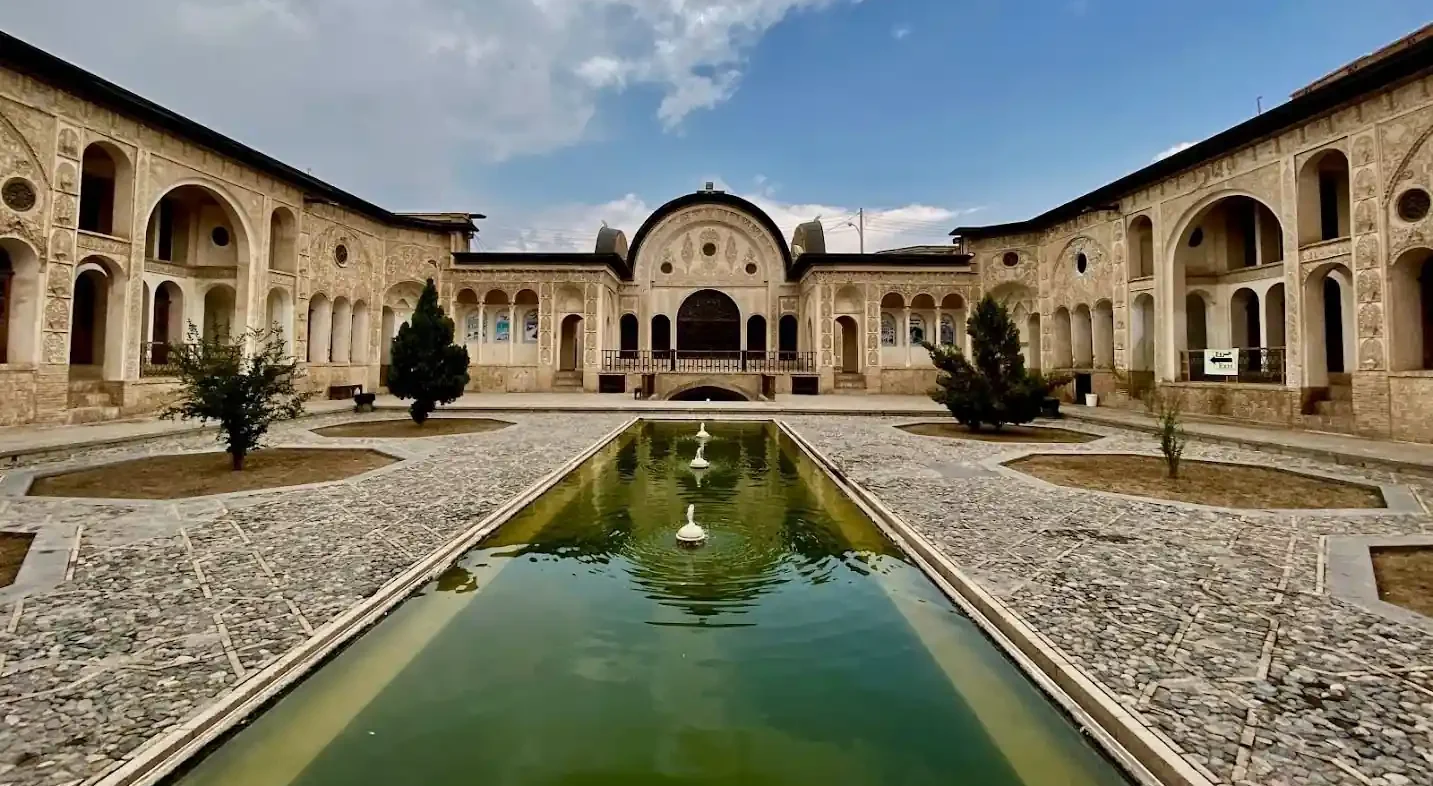
7. Tabatabaei Historical House
Tabatabaei Historical House is a stunning example of traditional Persian residential architecture. Built during the Qajar period, it features elegant courtyards and wind catchers. Stained glass windows and detailed plasterwork decorate the interiors. The house reflects the lifestyle of wealthy merchant families. Visitors can explore upper terraces and inner rooms. Natural light enhances the artistic details. The site is well preserved and calm. It is one of Kashan’s architectural highlights. The house showcases Iran’s domestic heritage.
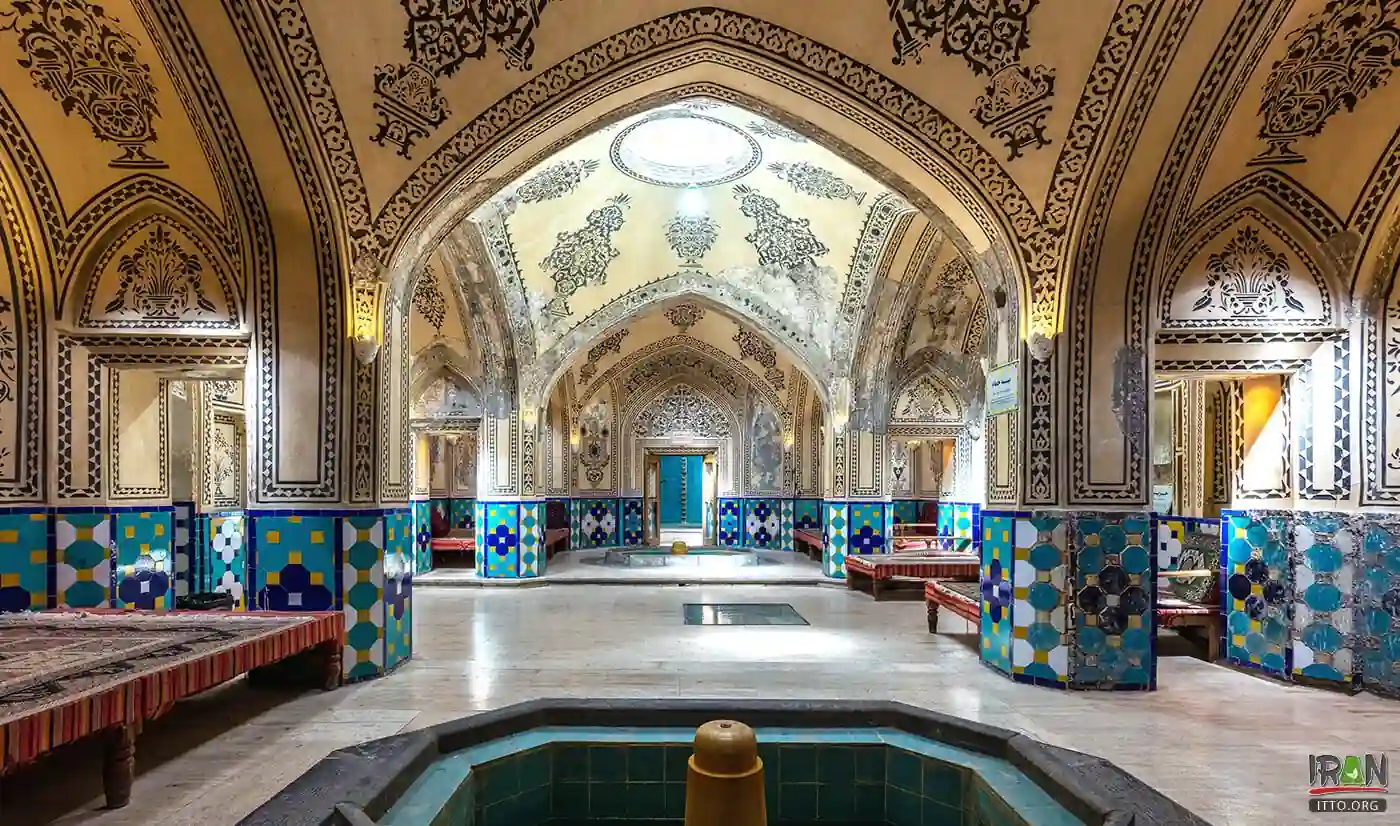
8. Sultan Amir Ahmad Bathhouse
The Sultan Amir Ahmad Bathhouse is a beautifully preserved historic hammam. Dating back several centuries, it features domed roofs with skylights. Intricate tilework and stucco decorate the interior. The bathhouse once served as a social and cultural center. Visitors can walk through cold, warm, and hot chambers. The rooftop offers scenic views of Kashan. The structure reflects advanced water and heating systems. It remains a symbol of Persian daily life. The bathhouse is a must-visit cultural site.
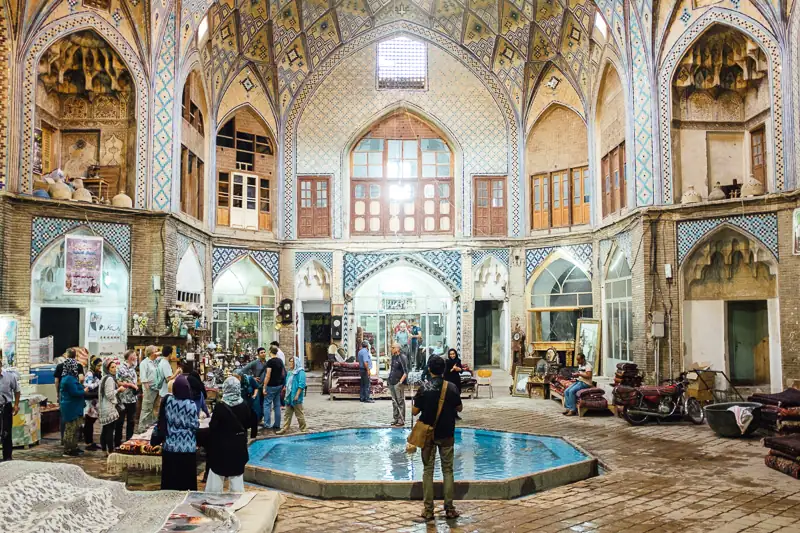
9. Bazaar of Kashan
The Bazaar of Kashan is a historic trading center with impressive architecture. It features covered corridors, courtyards, and caravanserais. Timche Amin-al-Duleh is the most famous section, known for its grand dome. Visitors can shop for carpets, spices, and handicrafts. Traditional tea houses offer relaxation. The atmosphere is calm compared to larger bazaars. The bazaar reflects Kashan’s commercial history. It remains active and authentic. The site blends culture and commerce beautifully. Plan a scenic trip with Best Stops Between Riyadh and Amman and Best Stops Between Riyadh and Paphos.
10. Maranjab Desert
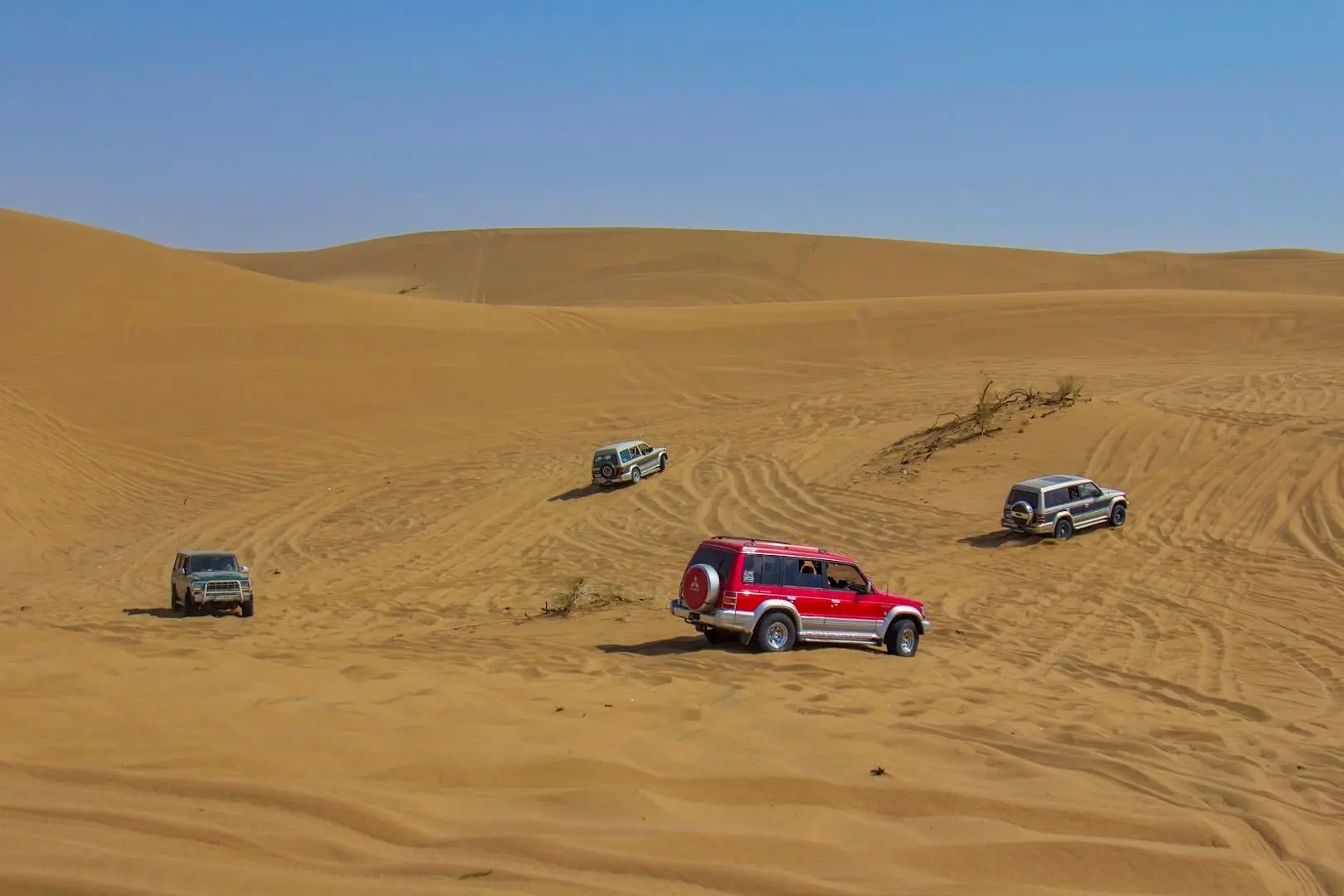
Maranjab Desert is a unique destination offering both natural beauty and history. Located near Kashan, it features golden sand dunes and salt flats. The Shah Abbasi Caravanserai stands as a reminder of ancient trade routes. Visitors enjoy desert safaris, stargazing, and photography. Despite its remote feel, facilities are available. Autumn and winter are the best seasons to visit. Guided tours are recommended for safety. The silence of the desert is mesmerizing. Maranjab redefines the desert travel experience.
FAQs
1. How long does it take to travel from Riyadh to Tehran?
The journey typically takes several days, depending on the route, border crossings, and how many stops you make along the way.
2. Is the Riyadh to Tehran route suitable for road trips?
Yes, it is suitable for experienced travelers, but careful planning, visas, and knowledge of local regulations are essential.
3. What is the best time to travel this route?
Spring and autumn are ideal, offering pleasant weather for sightseeing across deserts, cities, and mountainous regions.
4. Are historical sites easily accessible along the route?
Most major attractions are accessible, though some sites may require walking, climbing, or guided visits.
5. What cultural experiences can travelers expect?
Travelers can enjoy traditional bazaars, Persian gardens, ancient ruins, local cuisine, and rich regional traditions.
Final Thoughts
The journey between Riyadh and Tehran is far more than a simple route, it is a passage through centuries of history and culture. From advanced ancient engineering and grand fortresses to elegant Persian gardens and timeless bazaars, each stop adds depth and meaning to the experience. The changing landscapes, from desert dunes to historic cities, keep the journey visually captivating. This route offers travelers a rare opportunity to witness the cultural bridge between the Arabian Peninsula and Persia. For those seeking history, architecture, and authentic local experiences, this journey is truly unforgettable.