Tokyo, the bustling capital of Japan, is famous for its efficient, punctual, and extensive public transportation system. With over 13 million residents and millions of visitors each year, navigating Tokyo can seem overwhelming at first. However, with the right knowledge and strategies, commuting in Tokyo can be smooth, efficient, and even enjoyable. This guide provides practical tips for first-time travelers and newcomers, from understanding the subway and train networks to navigating peak-hour crowds and using useful apps.
Understanding Tokyo’s Transportation System
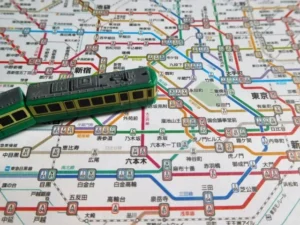
Tokyo’s public transportation system is world-renowned for its reliability and coverage, including:
-
Subways: Tokyo Metro and Toei Subway lines serve the city center and nearby districts.
-
Trains: JR East lines, including the Yamanote Line, connect major hubs and suburban areas.
-
Buses: City buses complement train services, covering neighborhoods not easily accessible by rail.
-
Taxis: Available 24/7 but relatively expensive compared to public transit.
-
Bicycles and Walking: Ideal for short distances and exploring local neighborhoods.
The key to efficient commuting is understanding the network and choosing the fastest route for your journey.
Tips for Navigating Tokyo’s Subway and Train System
1. Learn the Key Lines
Certain lines are particularly useful for tourists and newcomers:
-
Yamanote Line: A circular JR line connecting major districts like Shibuya, Shinjuku, Ikebukuro, and Tokyo Station.
-
Chuo Line: Fast east-west connection through central Tokyo.
-
Tokyo Metro Ginza, Marunouchi, and Hibiya Lines: Crucial for reaching shopping districts and tourist attractions.
2. Use IC Cards
-
Suica or Pasmo cards are rechargeable smart cards that make travel seamless across trains, subways, and buses.
-
Tap when entering and exiting stations—no need to buy single tickets each time.
3. Plan Ahead
Tokyo has complex rail networks with multiple operators. Use apps like Google Maps, Hyperdia, or Navitime to plan your journey in advance.
4. Avoid Peak Hours if Possible
Peak commuting times are:
-
Morning: 7:30 AM – 9:30 AM
-
Evening: 5:30 PM – 7:30 PM
During these hours, trains can be extremely crowded, and some lines may require squeezing in with other passengers. Consider traveling outside peak hours for a more comfortable experience.
Tips for Using Tokyo’s Buses
While trains are the primary mode of transport, buses serve areas not covered by rail.
-
Use a Suica or Pasmo card to pay fares.
-
Sit at the back and exit through the front doors.
-
Check the digital displays for upcoming stops—many buses show information in English and Japanese.
Buses are less crowded than trains and can offer a more scenic view of the city, particularly for tourists exploring residential neighborhoods.
Taxis in Tokyo

Taxis in Tokyo are safe, clean, and convenient, especially if traveling late at night or with luggage. Key tips:
-
Taxis are expensive compared to public transit.
-
Fares start at approximately ¥420 for the first 1–2 km.
-
Most drivers do not speak fluent English, so having your destination written in Japanese helps.
-
Many taxis accept IC cards for payment.
Taxis are ideal for short distances or door-to-door service, especially when public transit is crowded.
Walking and Bicycles
Walking
-
Tokyo is a pedestrian-friendly city.
-
Many neighborhoods, like Yanaka Ginza, Koenji, and Kagurazaka, are best explored on foot.
-
Walking allows you to discover hidden gems, local shops, and cultural spots off the main transit lines.
Bicycles
-
Some areas offer bike rentals or shared bike services.
-
Perfect for short trips or exploring suburban neighborhoods.
-
Always use bike lanes where available and follow traffic rules.
Tips for First-Time Commuters
1. Understand Station Layouts
-
Major stations like Shinjuku, Tokyo, and Ikebukuro are enormous and can take 10–15 minutes to navigate.
-
Follow the signs carefully, which are often in English.
-
Look for color-coded lines and station maps to avoid confusion.
2. Mind the Etiquette
Japanese public transportation comes with unwritten rules of etiquette:
-
Keep your phone on silent and avoid loud conversations.
-
Stand on the left side of escalators in Tokyo (right side in Osaka).
-
Offer seats to elderly, pregnant, or disabled passengers.
-
Avoid eating or drinking on trains unless in designated areas.
3. Use Travel Apps
Apps can save a lot of time and stress:
-
Google Maps: For routes, connections, and travel times.
-
Hyperdia: Comprehensive train schedules and platform info.
-
Navitime: Useful for walking directions and transit options.
4. Learn Basic Japanese Phrases
While most signage is bilingual, knowing a few phrases can help:
-
“Kono densha wa… desu ka?” (Is this train going to…?)
-
“Ikura desu ka?” (How much is it?)
-
“Arigatou gozaimasu” (Thank you very much)
Even basic knowledge will make your commute smoother and more enjoyable.
Commuting Tips for Tourists
1. Buy a Day Pass or IC Card
-
Tokyo Metro 24-hour tickets or one-day unlimited ride passes are cost-effective for tourists planning multiple trips.
-
Suica and Pasmo cards are reusable and convenient for buses and trains.
2. Familiarize Yourself with Transfers
-
Some routes require multiple transfers between operators.
-
Pay attention to platform numbers and transfer times.
3. Plan for Popular Tourist Spots
-
Popular destinations like Shibuya, Shinjuku, and Asakusa can be crowded.
-
Consider traveling early morning or late evening to avoid peak crowds.
4. Look for Alternative Routes
-
Smaller stations and less-known lines often offer quicker or less crowded options.
-
Exploring hidden neighborhoods like Koenji, Sugamo, and Yanaka can provide a more authentic experience.
Hidden Gems to Explore Along Your Commute
Tokyo’s public transport can also be a gateway to unique local experiences:
Cultural Spots
-
Jinbocho Book Town: Discover rare and second-hand books.
-
Edo-Tokyo Open Air Architectural Museum: Explore traditional Japanese buildings.
-
Yanaka Ginza: Stroll through nostalgic streets with local shops.
Unique Experiences
-
Tokyo Toilets Project: Visit beautifully designed public restrooms.
-
Meguro Parasitological Museum: An unusual and free museum experience.
-
Muscle Girl Bar: A quirky themed bar for a fun night out.
Food and Drink
-
Nakiryu: Michelin-starred ramen for lunch.
-
Joto Curry in Shibuya: A must-try for Japanese curry enthusiasts.
-
Bar Moonwalk: Budget-friendly bars with a wide selection of drinks.
Neighborhoods
-
Koenji: Vintage shops and street art.
-
Sugamo: Known as “Harajuku for grannies,” offering a unique atmosphere.
-
Ebisu: Vibrant nightlife and dining without tourist crowds.
Exploring these spots via public transport allows you to combine commuting with sightseeing, making your travel both efficient and enriching.
Safety Tips for Commuting
-
Tokyo is generally very safe, but be mindful of:
-
Pickpockets during peak hours.
-
Keeping bags close and wallets secure.
-
Avoiding empty train cars late at night if alone.
-
-
Emergency numbers:
-
110: Police
-
119: Ambulance or fire
-
Being prepared ensures peace of mind while commuting around the city.
Conclusion
Commuting in Tokyo may seem daunting at first due to its size, complexity, and crowds, but with preparation, it can be smooth and even enjoyable. Key takeaways for a successful commute include:
-
Learn the main train and subway lines.
-
Use IC cards like Suica or Pasmo.
-
Plan routes with apps like Hyperdia or Google Maps.
-
Respect local etiquette and follow safety tips.
-
Explore hidden neighborhoods and attractions along the way.
By understanding the system, following etiquette, and planning ahead, you can navigate Tokyo like a local, making commuting a stress-free and memorable part of your trip.
Whether you’re traveling for work, sightseeing, or living in Tokyo, these tips ensure you maximize efficiency, comfort, and enjoyment while exploring one of the most dynamic cities in the world.