If you’ve spent any time around car enthusiasts, on automotive forums, or browsing car content on social media, you’ve probably heard the term “JDM.” It’s a small acronym with a massive culture behind it. But what does JDM actually stand for, and why has it become such a global automotive phenomenon?
This in-depth guide covers everything, from the literal definition to what JDM means in car culture, tuning, branding, slang, and even in other industries. It’s designed for beginners, enthusiasts, and anyone curious about why JDM cars have such a cult following around the world.
What Does JDM Stand For?
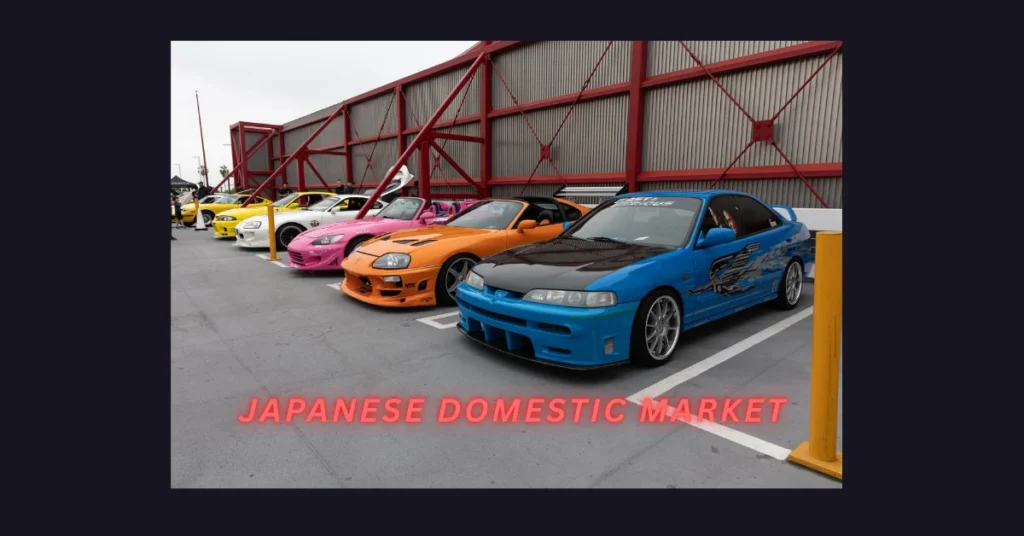
JDM stands for “Japanese Domestic Market.”
The term refers to vehicles and automotive parts that are manufactured specifically for sale within Japan—not for export to the U.S., Europe, or other international markets.
Official meaning:
-
J = Japanese
-
D = Domestic
-
M = Market
Originally, the phrase was used purely in the automotive industry to differentiate between:
-
Cars made for Japan
-
Cars made for export
-
Imported Japanese cars being used overseas
Over time, however, “JDM” became so much more than just a market label—it evolved into a global culture, aesthetic, and lifestyle.
What Does JDM Stand For in Cars?
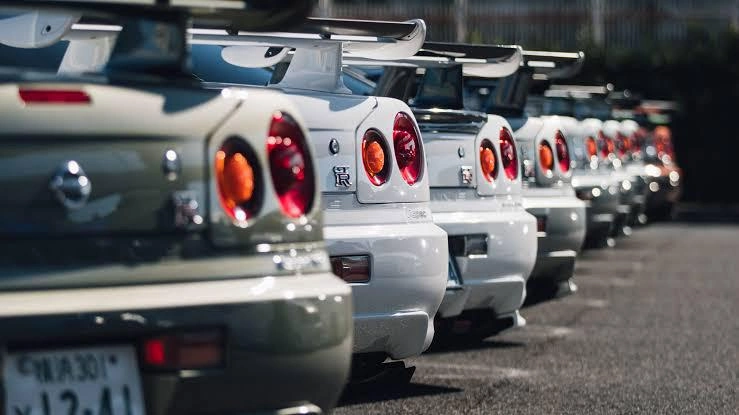
When car enthusiasts use the term JDM, they’re usually referring to:
-
Cars originally sold only in Japan
-
Japanese-spec vehicles with unique features
-
Authentic parts made for the Japanese market
-
Styling inspired by Japanese car culture
-
The overall tuning and racing scene in Japan
Examples of true JDM cars include:
-
Nissan Skyline GT-R (R32/R33/R34)
-
Honda Integra Type R (DC2 JDM spec)
-
Subaru Impreza WRX STi (Japan spec)
-
Mazda RX-7 FD3S
-
Toyota Chaser, Mark II, and Cresta
-
Mitsubishi Lancer Evolution (Japan models)
These versions often differ in power, tuning, parts, weight, and interior options compared to their export counterparts.
What Does “True JDM” Mean?
The phrase “true JDM car” is often used to describe:
-
A vehicle manufactured for the Japanese market
-
With original Japanese VIN
-
Sold new only in Japan
-
Imported later into another country
This excludes cars made in Japan but built for export, such as:
-
Honda Civics sold new in the U.S.
-
Toyota Camrys built for North America
Those are Japanese cars, but not JDM cars.
What Does JDM Mean in Slang?
In online car culture and slang, JDM has evolved beyond its literal meaning. It’s often used to describe:
-
Japanese import culture
-
Cars modded in Japanese style
-
Anyone who loves Japanese performance cars
-
Aesthetic styling cues like JDM wheels, badges, lights
-
Drift-inspired builds
-
Anime-themed car wraps (itasha)
The term “JDM AF” (JDM as f***) is slang for:
-
A car that is extremely Japanese-styled
-
Running authentic Japanese parts
-
Built in Japanese tuning tradition
Essentially, it’s used when something is as authentically Japanese car culture as possible.
What Does JDM Stand For in Honda, Subaru, Toyota, Mitsubishi, and Nissan?
The acronym itself stays the same across brands, but each brand has its own legendary JDM models.
JDM Honda
-
Honda S2000 Type S
-
JDM Integra Type R
-
Civic Type R EK9 and EP3 (Japan only)
JDM Subaru
-
Japan-spec WRX STi with higher power
-
Legacy GT-B
-
Forester STi
JDM Toyota
-
Supra RZ
-
Chaser Tourer V
-
Toyota Aristo (Lexus GS in Japan)
-
AE86 Japanese trim options
JDM Mitsubishi
-
Lancer Evolution I–VI (earliest models Japan only)
-
GTO Japanese variants
-
Pajero Evolution
JDM Nissan
-
Skyline GT-R
-
Silvia S13/S14/S15
-
Fairlady Z (Japan name for Z cars)
Each version usually includes differences in engine tuning, emissions, weight reduction, ECU settings, headlight configurations, and safety features.
What Does USDM Stand For?
USDM = United States Domestic Market
Car enthusiasts use USDM to compare differences between:
-
U.S.-spec versions
-
Japan-spec versions
For example:
-
USDM Civic vs. JDM Civic
-
USDM Subaru WRX vs. JDM WRX
These differences can be surprisingly big, especially in performance models.
Why Is JDM Culture So Popular?
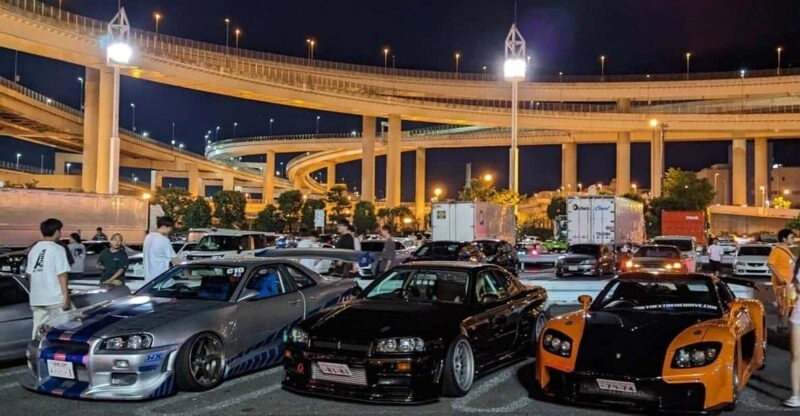
JDM culture exploded globally due to a combination of unique factors:
Iconic 90s engineering
Japan built some of the best performance cars of the era, including:
-
Supra MK4
-
Skyline GT-R
-
RX-7
-
NSX
-
Evo
-
Impreza STi
Their reliability + tunability made them legends.
Street racing & drift culture
Movies, anime, and real-life events fueled hype:
-
Initial D
-
Tokyo street racing
-
Option Video
-
D1GP drift championships
Japanese tuner brands
Brands like:
-
HKS
-
Greddy
-
Spoon Sports
-
Rays Engineering
-
Cusco
-
TEIN
became icons.
Importing laws
In many countries (especially the U.S.), cars become legal to import after a set number of years (often 25).
Each year, a new set of Japanese models becomes eligible, creating excitement.
What Does JDM Legends Stand For?
“JDM Legends” is commonly used to describe:
-
Iconic Japanese cars from the 80s, 90s, and 2000s
-
Vehicles with cult status due to performance
-
Rare or historically significant Japanese models
It’s also the name of:
-
A well-known U.S. restoration shop
-
A popular automotive TV show
But the phrase itself simply refers to legendary Japanese cars from the domestic market.
What Does the JDM Leaf Symbol Stand For?
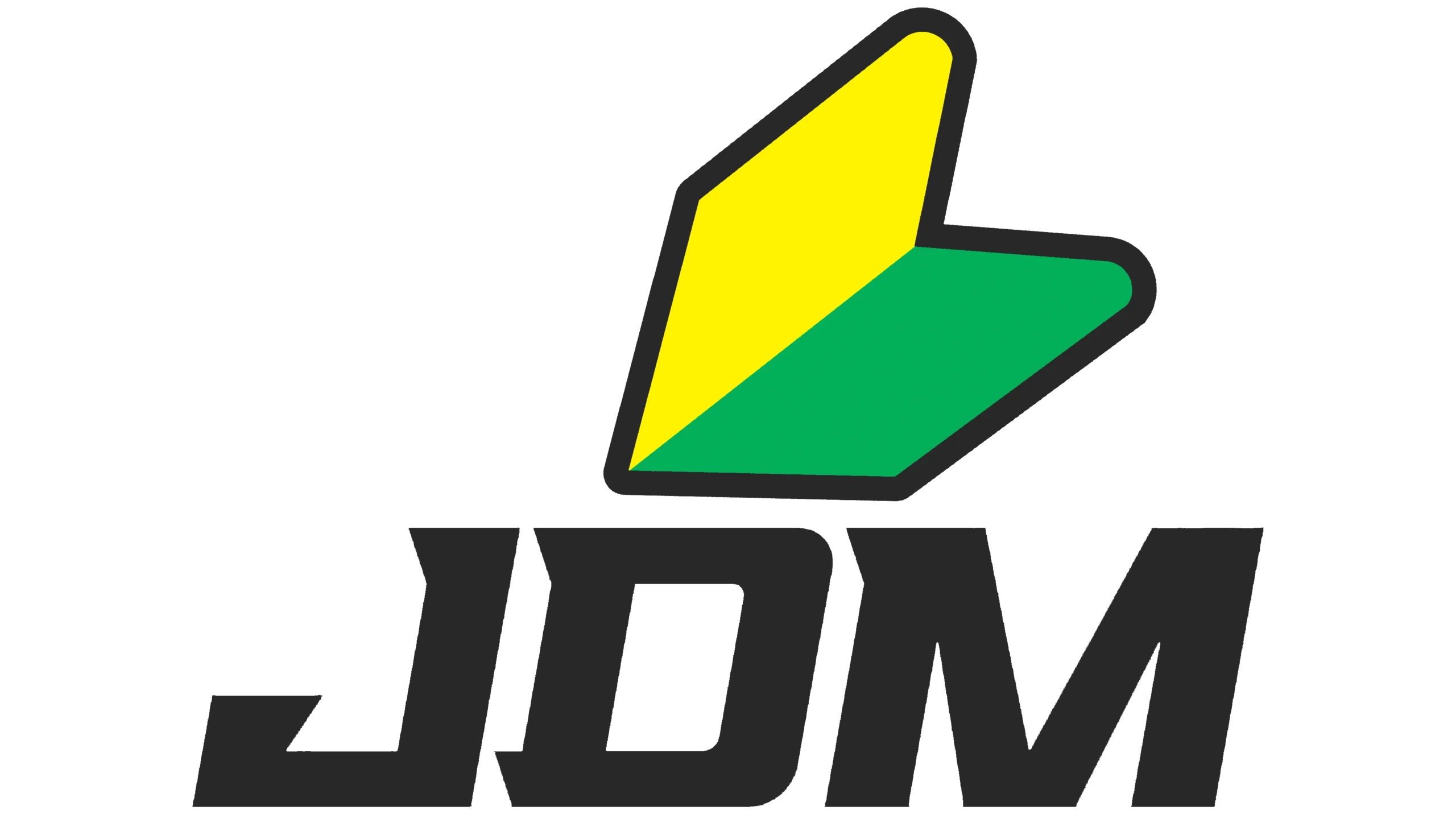
The yellow and green “shoshinsha mark” you see on JDM cars is a symbol used in Japan to indicate new drivers.
The leaf is a sign of:
-
Beginner driver status
-
Caution to others
-
Japanese cultural identity
It became an iconic JDM symbol worldwide. Explore automotive culture further with drivetrain insights from What Is CVT Transmission and maintenance indicators covered in What Does TPMS Mean on a Car.
JDM Beyond Cars (Other Meanings)
While JDM is primarily an automotive term, it has unrelated definitions in other fields.
In CSGO
JDM refers to the professional player “jdm64.”
In golf
JDM refers to Japan Domestic Model clubs, premium golf equipment sold only in Japan.
In medical terms
JDM can stand for Juvenile Dermatomyositis, a rare autoimmune disease.
In texting or social media
JDM may be misused as shorthand, but rarely, it’s almost always automotive.
These meanings rarely overlap with car culture.
What Does JDM Motors Stand For?
“JDM motors” refers to engines imported from Japan, typically:
-
Low mileage
-
Well-maintained due to strict regulations
-
Popular for engine swaps
Examples include:
-
Honda B16, B18, K20
-
Toyota 2JZ, 1JZ
-
Nissan RB26, SR20DET
-
Subaru EJ207
People buy them because Japanese engines are often cleaner and in better condition than local versions.
Common JDM Questions Answered Quickly
What does JDM car stand for?
Japanese Domestic Market car.
What does JDM mean in car world?
Cars, parts, and modifications from or inspired by Japan.
Is every Japanese car JDM?
No. Only Japan-sold models are JDM.
Are JDM cars legal?
Depending on your country’s import laws.
What does JDM AF mean?
Extremely Japanese-styled or authentic.
Why JDM Cars Have Different Specs for Japan
Japanese domestic regulations influenced the design of JDM cars:
Reasons for differences:
-
Japan’s emissions laws
-
RHD (right-hand drive) orientation
-
Japan’s strict horsepower agreements (gentlemen’s agreement)
-
Higher fuel quality
-
Shorter ownership cycles
-
Lower speed limits
These created:
-
Lighter cars
-
More aggressive tunes
-
Unique trims
-
Advanced technology earlier than U.S./EU versions
The Heart of JDM Culture: Authenticity
Whether you’re modifying a Civic, restoring a Supra, or collecting Hot Wheels, JDM is ultimately about authenticity, craftsmanship, and respect for Japanese automotive heritage.
It represents:
-
Engineering excellence
-
Creative tuning
-
Driving passion
-
Cultural appreciation
-
Attention to detail
-
Performance built with purpose
JDM isn’t just about where a car comes from, it’s about the story behind it.
Final Thoughts: JDM Is a Culture, Not Just a Market Term
While the acronym JDM simply means “Japanese Domestic Market,” the cultural meaning is far deeper. It symbolizes:
-
Japan-only cars
-
Unique engineering
-
Tuning philosophies
-
Drift and racing heritage
-
Community passion worldwide
Whether you’re buying your first project car, swapping a JDM motor, or admiring the icons of the 90s, JDM remains one of the most beloved automotive cultures of all time.