
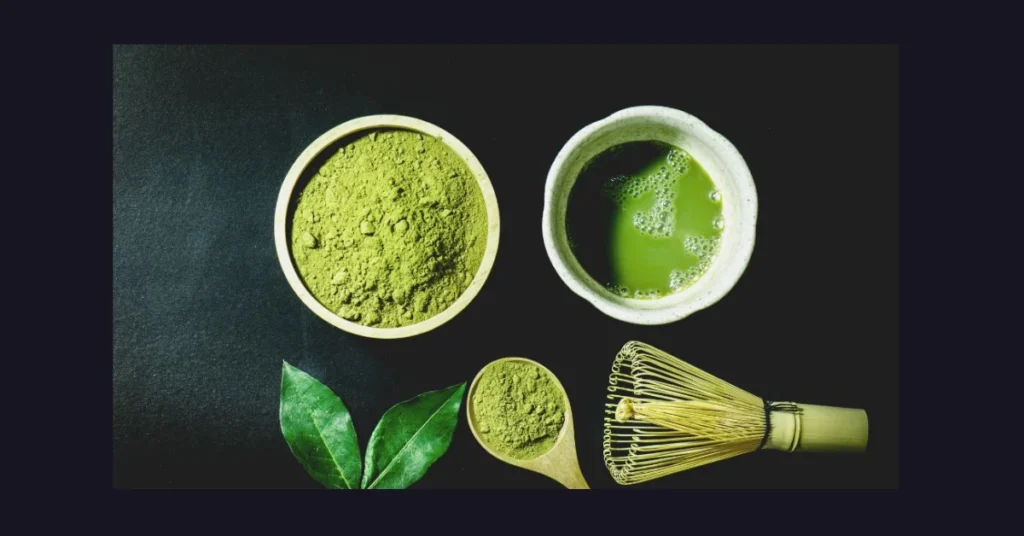
Matcha has surged in popularity over the past decade, from trendy cafes serving vibrant green lattes to home kitchens experimenting with traditional Japanese tea rituals. But despite its widespread fame, many people are still unsure what matcha actually tastes like or how it differs from regular green tea. If you’ve ever wondered whether matcha is bitter, sweet, or earthy, you’re not alone. In this guide, we’ll explore the taste of matcha, how to enjoy it in lattes, its unique flavor profile, and tips for making the perfect cup at home.
Understanding Matcha: More Than Just Green Tea
Before diving into taste, it’s essential to understand what matcha is. Unlike regular green tea, which is steeped from loose leaves, matcha is made from finely ground powdered tea leaves. This means when you drink matcha, you’re consuming the entire leaf rather than an infusion. This gives matcha a richer flavor and higher concentration of antioxidants, amino acids, and caffeine.
Key Differences Between Matcha and Regular Green Tea:
- Leaf Form vs. Powder: Matcha uses powdered leaves, providing a more concentrated flavor.
- Caffeine Content: Matcha contains more caffeine per serving than steeped green tea.
- Preparation Ritual: Traditional matcha is whisked with a bamboo whisk (chasen) in hot water, creating a frothy, vibrant green tea.
These differences contribute not only to the health benefits but also to the taste, texture, and overall drinking experience.
The Flavor Profile of Matcha
Describing matcha’s taste can be tricky because it’s unlike any other tea or beverage. Here are the key flavor notes you can expect:
- Umami (Savory Sweetness)
Matcha is famous for its umami taste—a savory, slightly sweet flavor that’s richer than other green teas. This comes from high levels of L-theanine, an amino acid found in the leaves. - Earthy Notes
Quality matcha often carries a fresh, vegetal earthiness, reminiscent of fresh spinach or steamed greens. This is more pronounced in ceremonial-grade matcha compared to culinary-grade varieties. - Bitterness
A slight bitterness is natural, especially if the matcha is high-quality. Overly bitter matcha can indicate lower-quality leaves or improper preparation (like using water that’s too hot). - Sweetness
Premium matcha has a natural sweetness that balances the umami and earthiness. This is why some people can enjoy it even without added sugar or milk. - Creamy Texture
When whisked properly, matcha has a smooth, creamy mouthfeel, giving it a luxurious quality unlike traditional teas.
Pro Tip: The taste of matcha can vary greatly depending on the grade. Ceremonial-grade matcha is ideal for drinking straight, while culinary-grade matcha works better in lattes, smoothies, or baked goods.
Matcha Lattes: How They Should Taste
One of the most popular ways to enjoy matcha today is in a latte. A matcha latte combines the powdered tea with milk (dairy or plant-based) and sometimes a sweetener. This creates a creamy, frothy drink that softens the bitterness of matcha while highlighting its unique flavors.
Key Taste Notes of a Good Matcha Latte:
- Smooth and Creamy: Milk softens matcha’s earthiness without masking its umami flavor.
- Slightly Sweet: A subtle sweetness balances the natural bitterness of matcha.
- Earthy and Vibrant: You should still be able to taste matcha itself; it shouldn’t taste like flavored milk or syrup.
- Balanced: The ratio of matcha to milk is critical. Too much matcha makes it bitter, too little makes it taste like flavored milk rather than tea.
Tips for Making the Perfect Matcha Latte:
- Use High-Quality Matcha: Even a latte needs good powder; ceremonial-grade is preferred if you want the truest flavor.
- Sift the Powder: This prevents clumps and ensures smooth whisking.
- Control Water Temperature: Hot but not boiling water (around 175°F / 80°C) preserves flavor and prevents bitterness.
- Whisk Well: A bamboo whisk or frother creates a creamy, frothy texture.
- Adjust Sweetness: Honey, agave, or sugar can be added, but avoid overpowering the natural taste.
How to Make Matcha at Home
Making matcha at home is surprisingly simple once you understand the basics. Here’s a step-by-step guide for a traditional cup:
Ingredients:
- 1–2 teaspoons of matcha powder
- 2 ounces of hot water (175°F / 80°C)
- Optional: milk or milk alternative for lattes, sweetener
Instructions:
- Sift the Matcha: Use a small sieve to remove clumps.
- Add Hot Water: Pour water over the powder.
- Whisk: Use a bamboo whisk in a zig-zag motion until frothy.
- Taste Test: Adjust sweetness or add milk as desired.
Advanced Tip: Experiment with cold brew matcha by dissolving the powder in cold water and letting it sit for a few minutes. This produces a smoother, less bitter taste. Compare flavor profiles with fragrance sensations in What Does Sandalwood Smell Like and cultural beverages discussed in What Is the Legal Drinking Age in Japan.
Common Questions About Matcha Taste
Is Matcha Bitter?
Yes, a slight bitterness is normal. However, high-quality matcha should not be overwhelmingly bitter. If your matcha tastes too harsh, try lowering the water temperature, whisking thoroughly, or using a sweeter milk alternative.
Can I Sweeten Matcha Without Losing Flavor?
Absolutely. Natural sweeteners like honey or maple syrup enhance matcha without masking its taste. Coconut milk or oat milk also adds creaminess and a subtle sweetness.
Does the Grade Affect Taste?
Definitely. Ceremonial-grade matcha is sweeter, smoother, and richer in umami. Culinary-grade matcha is slightly more bitter and better suited for recipes, smoothies, and lattes.
Matcha vs. Green Tea: Understanding the Difference
Many people confuse matcha with green tea. Here’s a quick comparison:
| Feature | Matcha | Green Tea |
| Form | Powdered leaves | Loose leaves or tea bags |
| Flavor | Umami, earthy, slightly sweet | Light, grassy, slightly bitter |
| Preparation | Whisked in water | Steeped in hot water |
| Antioxidants | Higher | Moderate |
| Caffeine | Higher | Lower |
The key takeaway: matcha is a more intense, concentrated tea experience, offering a richer taste and higher health benefits.
Unique Ways to Enjoy Matcha
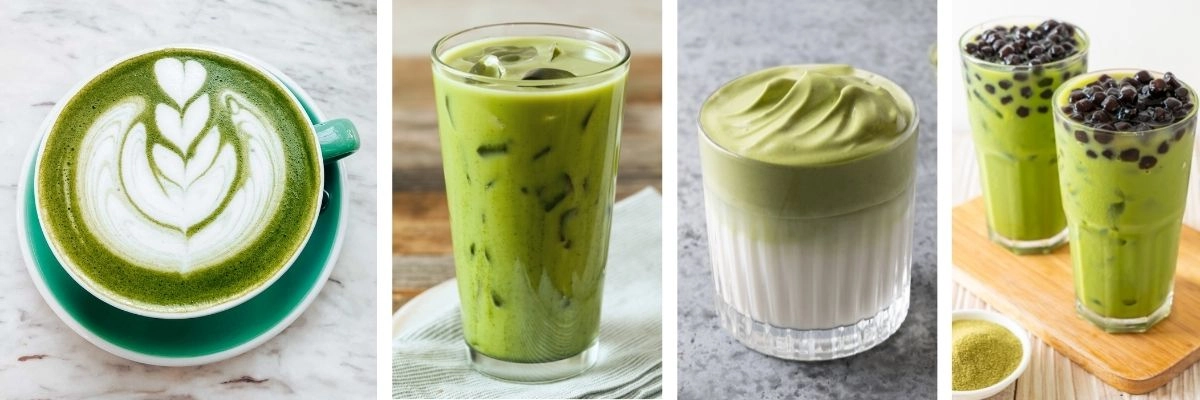
While lattes and traditional cups are popular, matcha is incredibly versatile:
- Matcha Smoothies: Blend matcha with fruits, yogurt, and a touch of honey for a healthy breakfast drink.
- Baked Goods: Use culinary-grade matcha in cakes, cookies, and muffins for a vibrant green color and earthy flavor.
- Matcha Ice Cream: Whisk culinary matcha into custard for homemade ice cream with a subtle, unique taste.
- Matcha Cocktails: Some bartenders use matcha in cocktails, pairing its vegetal flavor with citrus or spirits for a sophisticated twist.
- Cold Brew: Mix matcha with cold water or milk and enjoy a refreshing, lightly sweetened iced tea.
How to Recognize Quality Matcha
Not all matcha is created equal. Taste, color, and aroma are good indicators of quality:
- Color: High-quality matcha is bright, vibrant green. Dull or yellowish powders usually indicate lower quality.
- Aroma: Premium matcha has a fresh, grassy aroma.
- Taste: Look for balanced umami and sweetness; avoid anything overly bitter or metallic.
- Texture: Fine, silky powder dissolves smoothly without clumping.
Investing in good matcha ensures your lattes, smoothies, or traditional cups are flavorful and satisfying.
Final Thoughts: The Magic of Matcha
Matcha is more than just a trendy beverage it’s a complex, flavorful tea with a unique taste profile that blends earthiness, sweetness, and umami. Whether you enjoy it as a traditional cup, a creamy latte, or in recipes, matcha offers a rich sensory experience that can be adapted to your personal taste.
By understanding the taste, proper preparation, and quality indicators, anyone can enjoy matcha at home or in a café. The next time you sip a matcha latte, take a moment to appreciate its delicate balance of flavor, texture, and tradition—it’s unlike any other tea in the world.