
If you’ve ever stepped into a gym, scrolled through fitness forums, or tracked your workouts, you’ve likely seen the term PR. But What Does PR Mean in Gym? Is it just a number, or does it represent something bigger in your fitness journey?
This comprehensive guide covers everything you need to know about PRs, including:
-
The definition of PR in gym terms
-
How PR relates to 1RM (one-rep max)
-
Why PRs are important for strength and fitness
-
How to set and track PRs safely
-
Common PR-related terminology
-
Tips to achieve new personal records
By the end, you’ll fully understand how PRs can motivate you and track your progress effectively.
What Does PR Mean in Gym Terms?
In the gym, PR stands for Personal Record. It represents the heaviest, longest, or most challenging effort you’ve completed in a specific exercise.
A PR is unique to you, meaning it’s your personal best, not a competition against others. For example:
-
Bench press PR: The heaviest weight you’ve lifted in a single rep
-
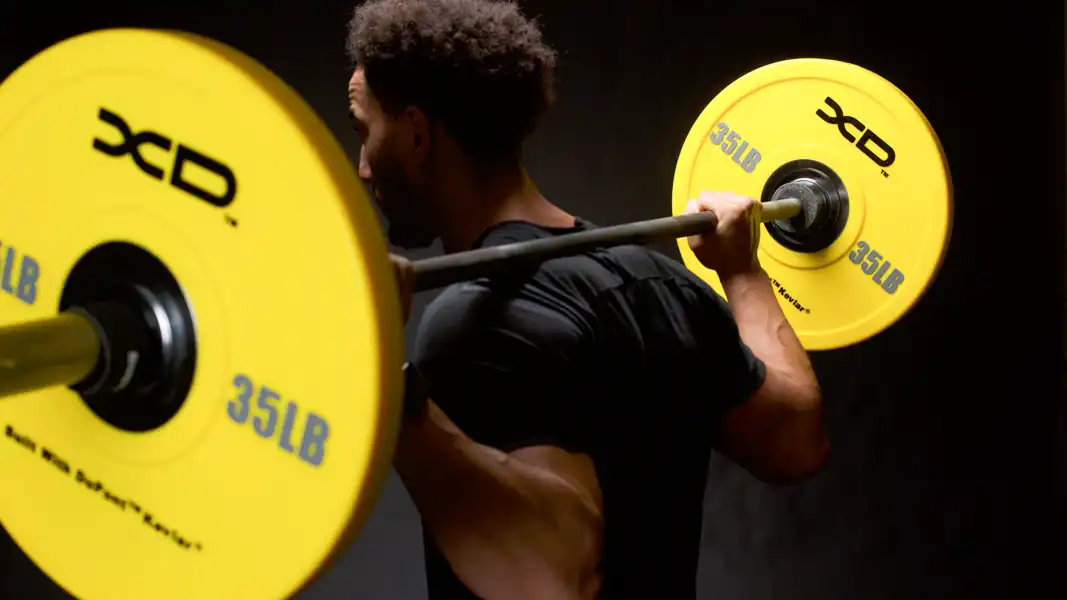
Squat PR: Maximum weight lifted for one repetition
-
Running PR: Fastest mile or distance you’ve completed
In strength training, PRs are usually tied to weightlifting, while in cardio, they can represent speed, distance, or endurance.
What Does a New PR Mean in the Gym?
A new PR occurs when you surpass your previous personal best. Setting new PRs is a key milestone in tracking strength and fitness progression.
For example:
-
Last week you bench pressed 150 lbs; this week you lift 155 lbs → new PR
-
You ran 5 kilometers in 25 minutes; today you finish in 24 minutes → new PR
Celebrating new PRs can boost motivation, help track long-term progress, and indicate improvements in strength or endurance.
Personal Record vs One-Rep Max (1RM)
Many gym-goers confuse PR with 1RM, but they are related, not identical:
| Term | Definition | Context |
|---|---|---|
| PR (Personal Record) | Your personal best in any exercise | Could be one-rep, multiple reps, cardio, or endurance |
| 1RM (One-Rep Max) | The maximum weight you can lift for a single repetition | Usually used for strength training benchmarks |
In weightlifting, your 1RM for a squat, deadlift, or bench press is often your PR, but PRs can also track multiple reps or endurance challenges.
Why PRs Are Important in the Gym
Tracking PRs is more than bragging rights, it’s essential for progressive training. Key benefits include:
-
Motivation: Seeing your numbers improve gives a psychological boost
-
Progress Tracking: PRs quantify strength gains over time
-
Goal Setting: PRs help you set realistic, measurable targets
-
Program Adjustment: Trainers use PRs to design programs for strength, hypertrophy, or endurance
-
Confidence Building: Achieving a PR shows tangible improvement
By consistently tracking PRs, you can avoid plateaus and keep workouts challenging and effective.
How to Set a PR in the Gym Safely
Setting PRs is exciting, but safety should always come first. Follow these guidelines:
-
Warm Up Properly: Gradually increase weight to prevent injury
-
Use Proper Form: Never sacrifice technique for heavier lifts
-
Start Small: Increase weights incrementally to test limits safely
-
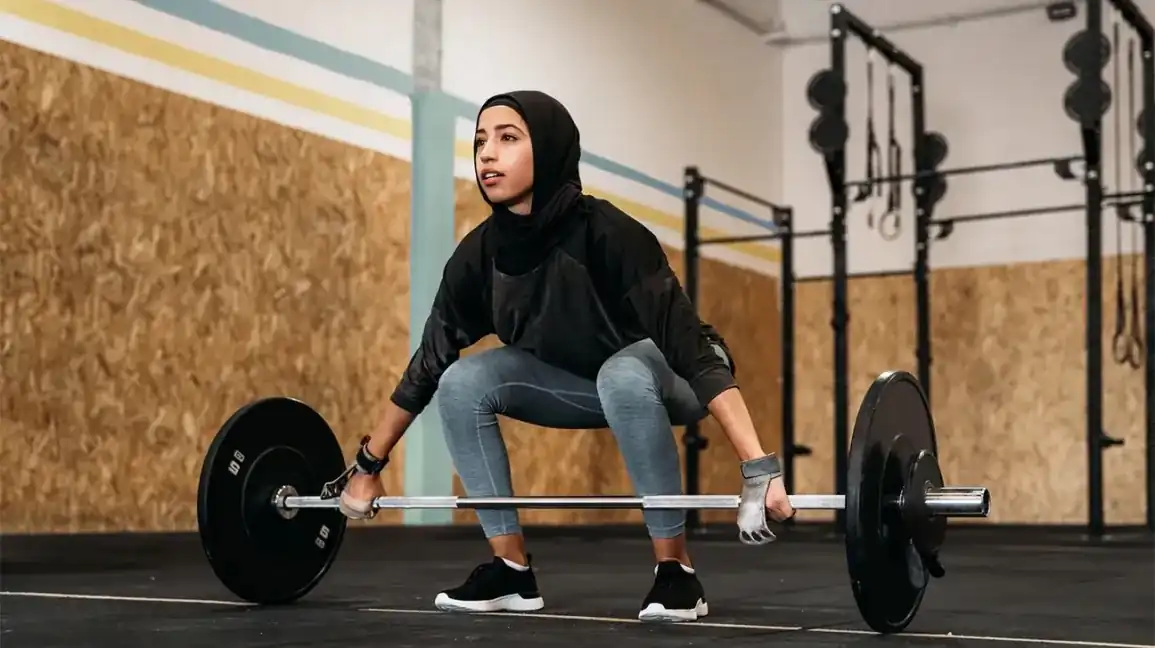
Spotters for Heavy Lifts: Bench press, squat, or other high-risk exercises
-
Listen to Your Body: Avoid pushing through pain or fatigue
-
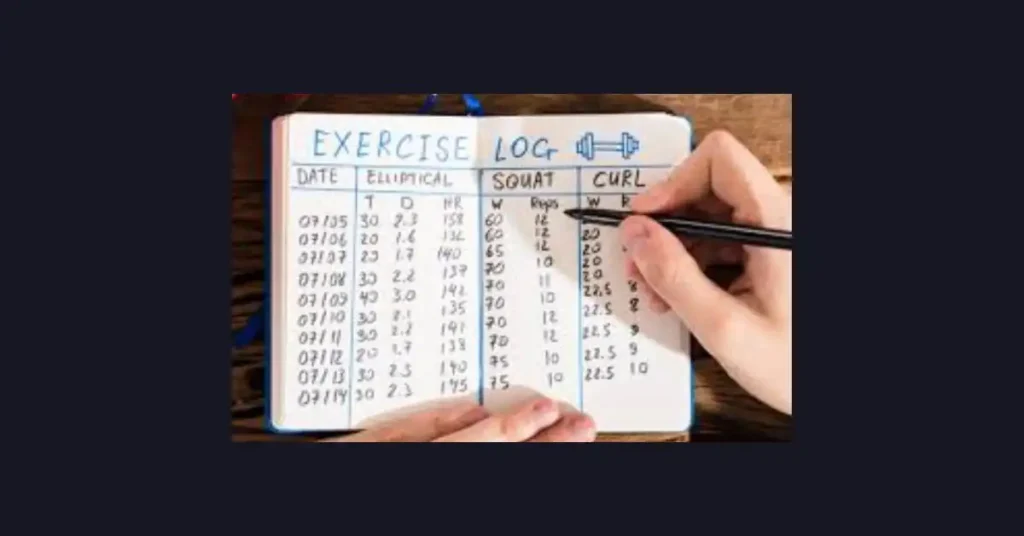
Track and Record: Use a notebook or fitness app to log PRs
Following these steps helps you progress safely while avoiding injuries.
Common PR Terms in Gym Lingo
Here’s a glossary of PR-related terms you’ll encounter:
-
Lifting PR / Strength PR: Maximum weight lifted for a specific exercise
-
Endurance PR: Longest distance or duration completed
-
Cardio PR: Fastest time over a given distance
-
Rep PR: Most repetitions completed at a certain weight
-
Set PR: Personal best in total sets completed
Understanding these terms allows you to track all aspects of fitness, not just strength.
How to Track Your PRs
There are multiple ways to track PRs in the gym:
-
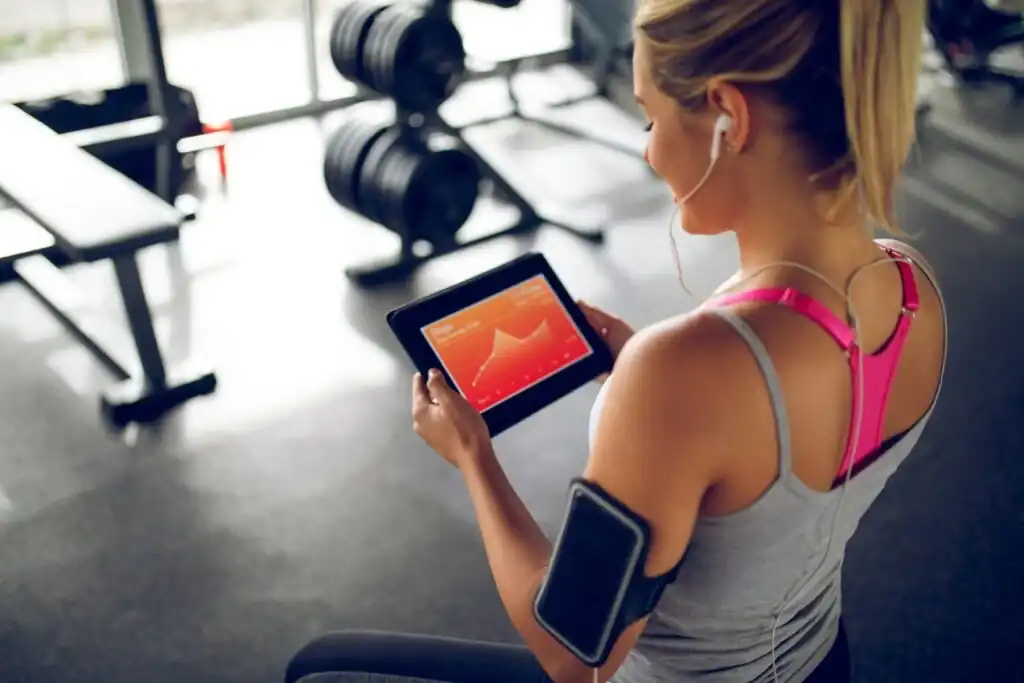
Fitness Apps: MyFitnessPal, Strong, JEFIT, and Fitbod
-
Workout Log: Paper notebooks or bullet journals
-
Spreadsheets: Customizable for weight, reps, sets, and dates
-
Photo/Video Records: Helps review form and technique for progress
Tracking PRs ensures long-term progression and helps adjust your training program. Workout enthusiasts may also read What Is a Good Mile Time and What Can I Do Alone Manhwa.
Strategies to Improve Your PRs
To increase PRs, focus on progressive overload, consistency, and recovery:
Progressive Overload
-
Gradually increase weight, reps, or intensity over time
-
Aim for small, sustainable gains to prevent plateaus
Consistency
-
Follow a structured training program
-
Maintain regular gym sessions to reinforce strength and endurance
Recovery and Nutrition
-
Ensure sufficient sleep and rest days
-
Consume adequate protein and calories for muscle growth
-
Avoid overtraining, which can hinder PR progress
Technique Improvement
-
Correct form reduces injury risk and improves lift efficiency
-
Consult trainers or watch instructional videos for complex lifts
Tracking Gym Progress Beyond PRs
While PRs are important, they are not the only measure of success:
-
Body composition changes (fat loss or muscle gain)
-
Functional fitness improvements (mobility, stability, flexibility)
-
Mental and energy improvements (workout enjoyment, stress reduction)
Combining PR tracking with other fitness metrics gives a holistic view of progress.
PR Milestones for Common Exercises
Here’s a rough guide for personal records in popular exercises (these are relative to individual ability and experience):
-
Bench Press PR: Max single-rep weight for upper body strength
-
Squat PR: Maximum weight for lower body strength
-
Deadlift PR: Total weight lifted for one rep, testing full-body power
-
Pull-Up / Push-Up PR: Most reps in a single set
-
Running PR: Fastest distance-time combination for endurance
Remember, PRs are personal. Compare only with yourself, not others.
New PR Motivation
Achieving a new PR is a fitness milestone. Celebrating these moments:
-
Boosts confidence
-
Reinforces habit consistency
-
Encourages goal setting for the next PR
-
Keeps workouts challenging and exciting
Even small increments count. Progress is progress, no matter how minor.
Frequently Asked Questions About PR in the Gym
What does PR mean in gym terms?
PR stands for Personal Record, representing your best performance in any exercise or fitness challenge.
What is a new PR?
A new PR is when you exceed your previous personal best in an exercise or activity.
How do I set a PR safely?
Warm up, use proper form, increase weights incrementally, and track your performance.
Is PR only for weightlifting?
No, PRs apply to strength, endurance, cardio, and functional fitness activities.
What is a 1RM?
1RM stands for one-rep max, the heaviest weight you can lift for one repetition. It often serves as a PR for strength exercises.
Why PRs Matter in Fitness
PRs are more than numbers, they’re evidence of progress, strength, and consistency. Tracking personal records helps gym-goers stay motivated, improve performance, and safely push their limits.
Key takeaways:
-
PR = Personal Record, your best performance
-
Can apply to lifting, cardio, endurance, and reps
-
New PRs indicate improvement and fitness milestones
-
Track PRs to monitor progress and adjust training
-
Focus on safety, technique, and gradual progression
Understanding and tracking your PRs will transform your fitness journey, helping you celebrate every milestone and keep pushing toward new achievements.