
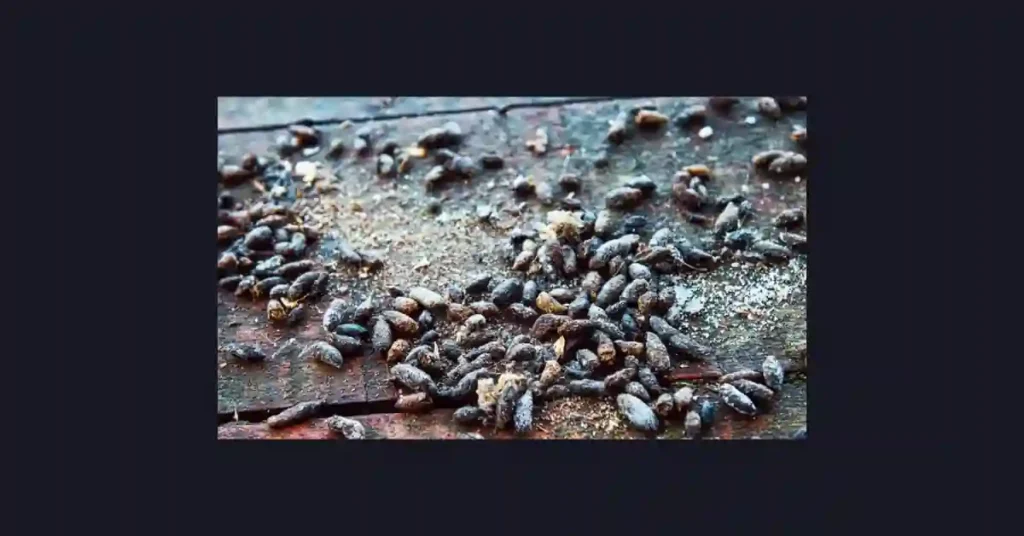
If you’ve ever spotted small, mysterious droppings in your home or yard, you may have wondered, “what does rat poop look like?” Identifying rodent feces is crucial for preventing infestations, protecting your home, and keeping your family safe from rodent-borne diseases. In this comprehensive guide, we’ll explore rat poop appearance, size, differences between species, signs of fresh versus old droppings, and comparison with other pests.
Why Knowing What Rat Poop Looks Like Matters
Rats are common pests in urban and rural areas, and their droppings can carry bacteria, viruses, and parasites. Recognizing rat feces early allows you to:
-
Detect an infestation before it gets out of control
-
Identify which type of rodent is present (roof rats, Norway rats, pack rats, etc.)
-
Take proper sanitation and pest control measures
-
Prevent contamination of food and surfaces
Understanding the size, shape, color, and texture of rat poop is your first step in effective rodent management.
General Appearance of Rat Poop
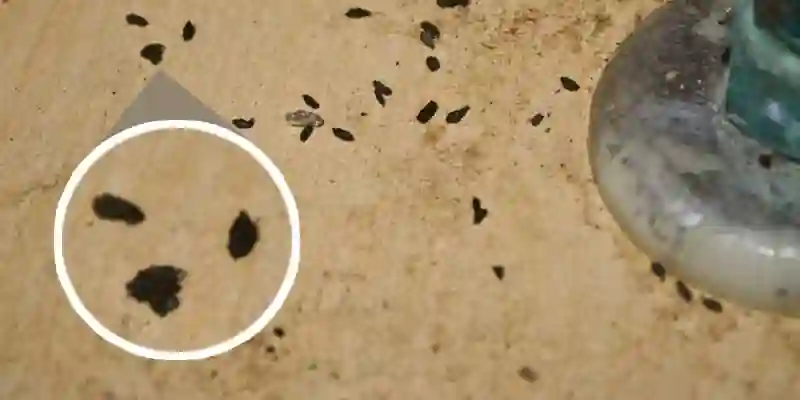
Rat droppings are typically dark brown or black, cylindrical, and tapered at both ends. Unlike mouse droppings, rat feces are larger and more uniform in size. Some key characteristics include:
-
Size: Usually ½ inch to ¾ inch long for common rats, though this can vary depending on the species and age of the rat.
-
Shape: Cylindrical with pointed ends, though some may appear slightly curved.
-
Color: Fresh droppings are shiny and dark brown or black; older droppings dry to a dull brown or gray.
-
Texture: Fresh feces are soft but firm, while old droppings can crumble easily.
Different Types of Rat Poop
Not all rat droppings look the same. Various species produce distinct feces:
Norway Rat Poop
-
Length: About ¾ to 1 inch
-
Shape: Blunt ends, chunky
-
Location: Ground level or burrows
Roof Rat Poop
-
Length: ½ to ¾ inch
-
Shape: Pointed ends, slender
-
Location: High places, rafters, attics
Pack Rat (Woodrat) Poop
-
Length: ¼ to ½ inch
-
Shape: Rounded ends, smaller pellets
-
Location: Nests, outdoor areas, garages
Baby Rat Poop
-
Tiny, less than ¼ inch
-
Similar in shape to adult feces, but softer and smaller
Fresh vs. Old Rat Poop
Knowing the difference between fresh and old droppings is important for assessing infestation activity:
-
Fresh Droppings: Dark, shiny, slightly soft, and moist. Usually indicates recent rodent activity.
-
Old Droppings: Dull, brittle, crumbly, sometimes powdery. Less likely to stain surfaces but still a health risk.
Comparison With Other Rodent Droppings
It’s easy to confuse rat droppings with those of other rodents:
Rat vs. Mouse Droppings
-
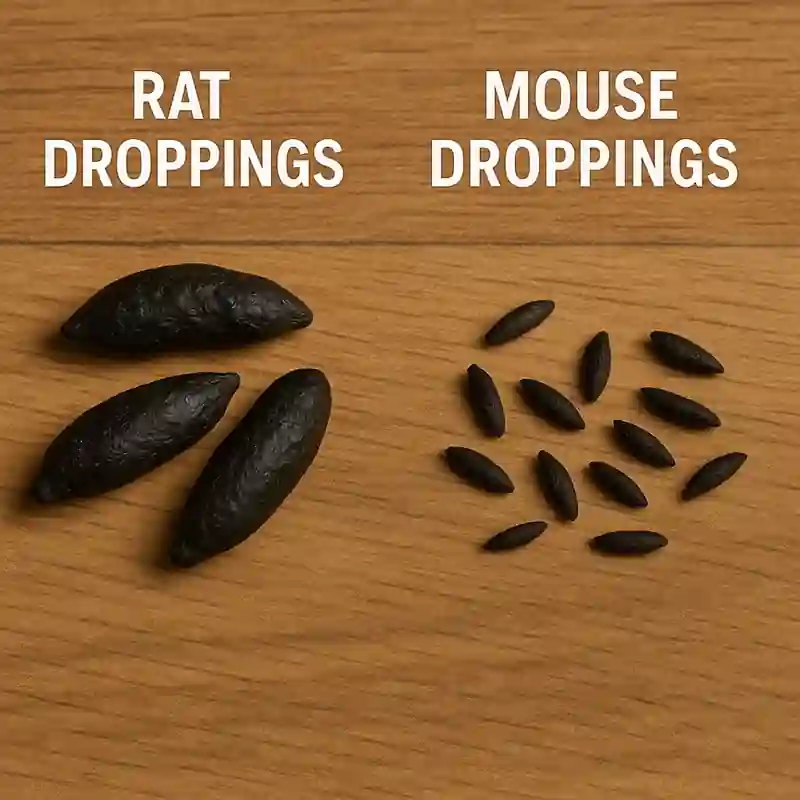
Mouse poop: ¼ inch, small, pointed at one end
-
Rat poop: ½ inch or longer, more cylindrical, larger, pointed at both ends
Rat vs. Squirrel Poop
-
Squirrel droppings: Rounded, similar in size to a rat pellet but less tapered
-
Rat droppings: Cylindrical with pointed ends, darker
Rat vs. Bat Poop
-
Bat guano: Smaller, crumbly, and often shiny black
-
Rat droppings: Larger, firm, cylindrical
Where You’ll Find Rat Droppings
Rats tend to leave droppings where they feed, travel, or nest. Common locations include:
-
Kitchen cabinets and pantries
-
Behind appliances (fridges, stoves, washers)
-
Basements and crawl spaces
-
Attics and rafters (especially roof rats)
-
Garages, sheds, or outdoor burrows
Look for clusters of droppings, rats often defecate along the same paths. Pet owners may explore What Are Highland Cows Used For and What Is Wave Browser.
Signs of a Rat Infestation Beyond Poop
While identifying droppings is crucial, other indicators can help confirm a rodent problem:
-
Gnaw marks on wood, plastic, or wires
-
Nesting materials like shredded paper, fabric, or insulation
-
Footprints or tail marks in dusty areas
-
Noises like scratching or scurrying at night
-
Grease or smudge marks along walls and corners
Health Risks Associated With Rat Droppings
Rat feces can carry serious pathogens, including:
-
Leptospirosis: Transmitted through rat urine contamination
-
Salmonella: Can contaminate food and surfaces
-
Hantavirus: Found in dried rodent droppings or urine
-
Lymphocytic choriomeningitis (LCMV): A viral infection
Important: Always wear gloves and a mask when cleaning up droppings, and disinfect surfaces with a bleach solution.
How to Safely Handle Rat Poop
Cleaning rat droppings requires caution to prevent disease transmission:
-
Wear protective gear: Gloves, mask, and old clothing.
-
Avoid sweeping or vacuuming dry droppings: This can release harmful particles into the air.
-
Spray droppings with disinfectant: A 10% bleach solution works well.
-
Wipe and remove: Use paper towels to pick up droppings after disinfecting.
-
Dispose safely: Seal in a plastic bag and discard in the trash.
-
Wash hands thoroughly after cleanup.
Preventing Rat Infestations
Prevention is key. Once you identify rat droppings, take steps to stop the problem from growing:
-
Seal gaps, cracks, and holes in walls or foundations
-
Store food in sealed containers
-
Keep garbage bins closed
-
Remove clutter and nesting sites
-
Set traps or consult professional pest control
FAQ About Rat Poop
Q: What does rat poop look like in pictures?
A: Typically cylindrical, dark brown or black, ½–¾ inch long for adults, shiny when fresh and dull when old.
Q: How is rat poop different from mouse poop?
A: Rat droppings are larger (½–¾ inch) and pointed at both ends; mouse droppings are smaller (¼ inch) and pointed at one end.
Q: Can you tell if a rat is healthy from its poop?
A: Healthy rat poop is firm, cylindrical, and uniform. Very soft or irregular droppings may indicate illness.
Q: Where is rat poop commonly found?
A: Kitchens, pantries, basements, attics, behind appliances, and along walls.
Q: How do you safely clean rat poop?
A: Wear gloves and a mask, spray with disinfectant, pick up with paper towels, and dispose in a sealed bag. Do not sweep or vacuum dry droppings.
Conclusion
Identifying rat droppings is crucial for maintaining a safe and sanitary home. By recognizing the size, shape, color, and location of rat poop, you can quickly assess rodent activity and take appropriate action. Remember, fresh droppings indicate recent activity, while older droppings still pose health risks. Always clean up safely and implement preventative measures to avoid future infestations. Understanding what rat poop looks like is your first line of defense against rodent-related health hazards and property damage.