
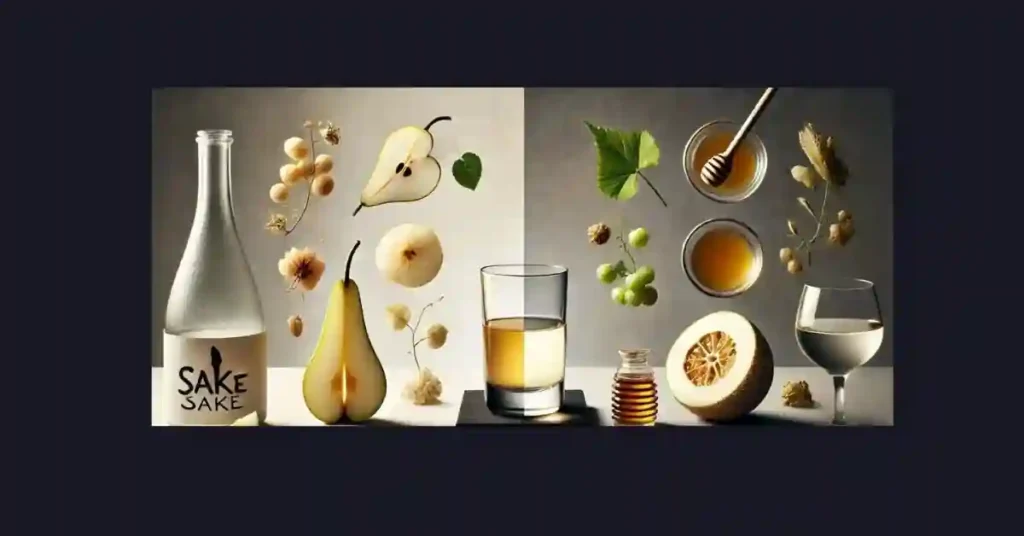
What Does Sake Taste Like? is one of the most unique alcoholic beverages in the world, delicate, complex, and deeply tied to Japanese culture. But if you’ve never tasted it, or you’re exploring more premium varieties, you may wonder: What does sake actually taste like?
The truth is that sake doesn’t have a single flavor profile. Instead, its taste changes depending on its style, filtering method, rice polishing ratio, serving temperature, and even aging. In this complete guide, we’ll explore the flavors of sake in all its forms, including hot sake, cold sake, nigori, junmai, sparkling sake, and even what “bad” or expired sake tastes like. If you want a reliable guide that helps you choose the right sake for your palate, this article breaks everything down clearly, simply, and accurately.
What Does Sake Taste Like?
At its core, sake tastes clean, smooth, lightly sweet, and mildly acidic, with subtle notes of rice, fruit, and umami.
Most people describe sake as:
-
Smooth or silky
-
Lightly aromatic
-
Mild in flavor
-
Slightly sweet or semi-dry
-
Low bitterness
-
Very little sharp “burn,” even at higher alcohol levels
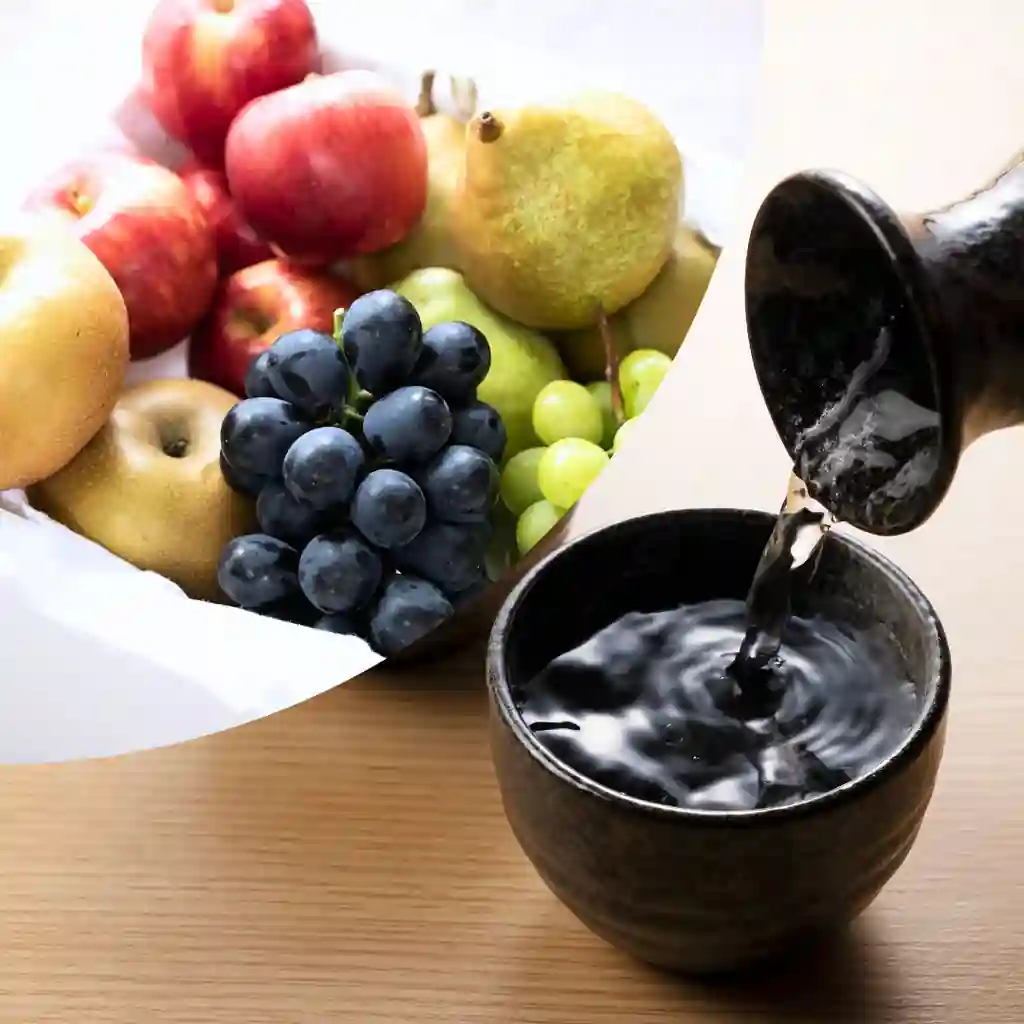
Depending on the style, sake can taste like:
-
Melon
-
Pear
-
Rice
-
Banana
-
Apple
-
Floral notes
-
Cream
-
Slight yogurt tang (in nigori)
-
Mineral tones
Unlike wine, sake rarely tastes tannic or oaky, making it easy to drink even for beginners.
What Does Sake Taste Like
Flavor Characteristics of Sake
To better understand what sake tastes like, these are the key components:
Aroma (Ginjo-ka)
Premium sake often has a delicate aroma similar to:
-
Melon
-
Pear
-
Apple
-
Banana
-
White flowers
Lighter aroma = more traditional taste
Stronger aroma = more modern, fruity style
Sweetness
Sake ranges from dry to sweet. The sweetness is often soft rather than sugary.
Acidity
Sake acidity is lower than wine, giving it a smooth mouthfeel.
Umami
Because sake is made from rice and koji mold, it contains high natural umami, which enhances food pairings.
Mouthfeel
Depending on style, the mouthfeel may be:
-
Creamy
-
Silky
-
Crisp
-
Full-bodied
What Does Good Sake Taste Like?
High-quality sake tastes:
-
Smooth
-
Balanced
-
Clean finish
-
No harsh alcohol burn
-
Subtle fruit or floral notes
-
Gentle sweetness
-
Light umami
Even inexpensive sake should not taste harsh or chemical.
What Does Bad or Spoiled Sake Taste Like?
Sake can go bad if stored poorly or left open too long.
Bad sake tastes:
-
Sour
-
Sharp
-
Vinegar-like
-
Musty
-
Metallic
-
Stale
-
Bitter
If your sake tastes like old apples, soy sauce, or wet cardboard, it’s gone bad.
What Does Sake Taste Like When It Goes Bad?
Expired or oxidized sake commonly tastes:
-
Sour, like spoiled wine
-
Overly sharp or acidic
-
Funky or rotten
-
Flat with no aroma
-
Bitter at the finish
The color may darken from pale to yellowish or brownish.
What Does Sake Taste Like When It’s Too Old?
Old sake can taste:
-
Dull
-
Heavy
-
Savory in a bad way
-
Like old rice
-
Slightly soy-sauce-like.
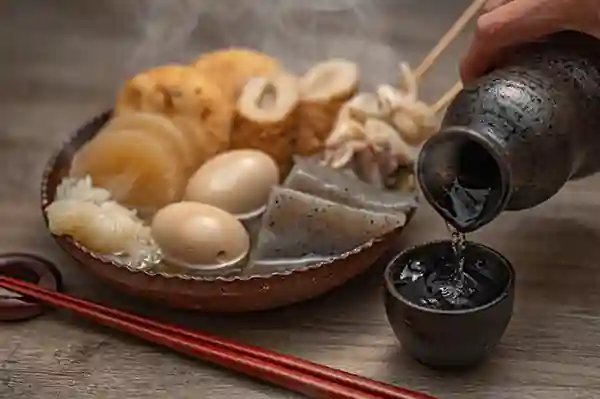
What Does Hot Sake Taste Like?
Heating sake changes its flavor dramatically.
Hot sake tastes:
-
Warmer, smoother, and richer
-
Less fruity
-
More earthy and savory
-
Slightly toasted
-
Sometimes sweeter
Cheap or lower-grade sake is often served hot to soften harsh flavors. Traditional drinkers enjoy warm sake in winter or with deep savory foods. Best for heating: Junmai, Honjozo and Futsushu. Learn about beverages in What Kind of Alcohol Is in White Claw.
What Does Cold Sake Taste Like?
Cold sake preserves its delicate aromas and crispness.
Cold sake tastes:
-
Light
-
Clean
-
Fruity
-
Aromatic
-
Refreshing
-
Smooth and crisp
Most premium sake is meant to be served chilled. Best served cold: Ginjo, Daiginjo, Junmai Ginjo
What Does Japanese Sake Taste Like?
Japanese sake is usually:
-
Clean and minimalist
-
Balanced between sweetness, acidity, and umami
-
Light aroma, unless it’s a premium ginjo-style
-
Smooth and easy to drink
-
Crafted for food pairing
Japan-made sake tends to focus on purity, refinement, and balance, not strong or overpowering flavors.
What Does Nigori Sake Taste Like?
Nigori sake is unfiltered or lightly filtered.
Nigori tastes:
-
Creamy
-
Milky
-
Slightly sweet
-
Tropical fruity
-
Soft with rice texture
-
Sometimes yogurt-like
Many beginners love nigori for its dessert-like flavor.
What Does Junmai Sake Taste Like?
Junmai means pure rice sake, with no added alcohol.
Junmai typically tastes:
-
Earthy
-
Savory
-
Richer
-
More umami-driven
-
Less fruity than ginjo
-
Fuller-bodied
Great with grilled meats, ramen, sushi, and hearty dishes.
What Do Ozaku, Ginjo, and Daiginjo Sake Taste Like?
Ginjo
-
Light, fruity
-
Apple, pear, melon
-
Aromatic and smooth
Daiginjo
-
Even more refined
-
Delicate aroma
-
Clean and silky
Honjozo
-
Light, crisp
-
Easy drinking
-
Slightly dry
Futsushu (Table Sake)
-
Simple
-
Mild
-
Slightly grainy
What Does Sparkling Sake Taste Like?
Sparkling sake tastes:
-
Fizzy and refreshing
-
Lightly sweet
-
Fruity (melon, citrus, pear)
-
Lower alcohol
It’s similar to sparkling wine or prosecco, but softer and sweeter.
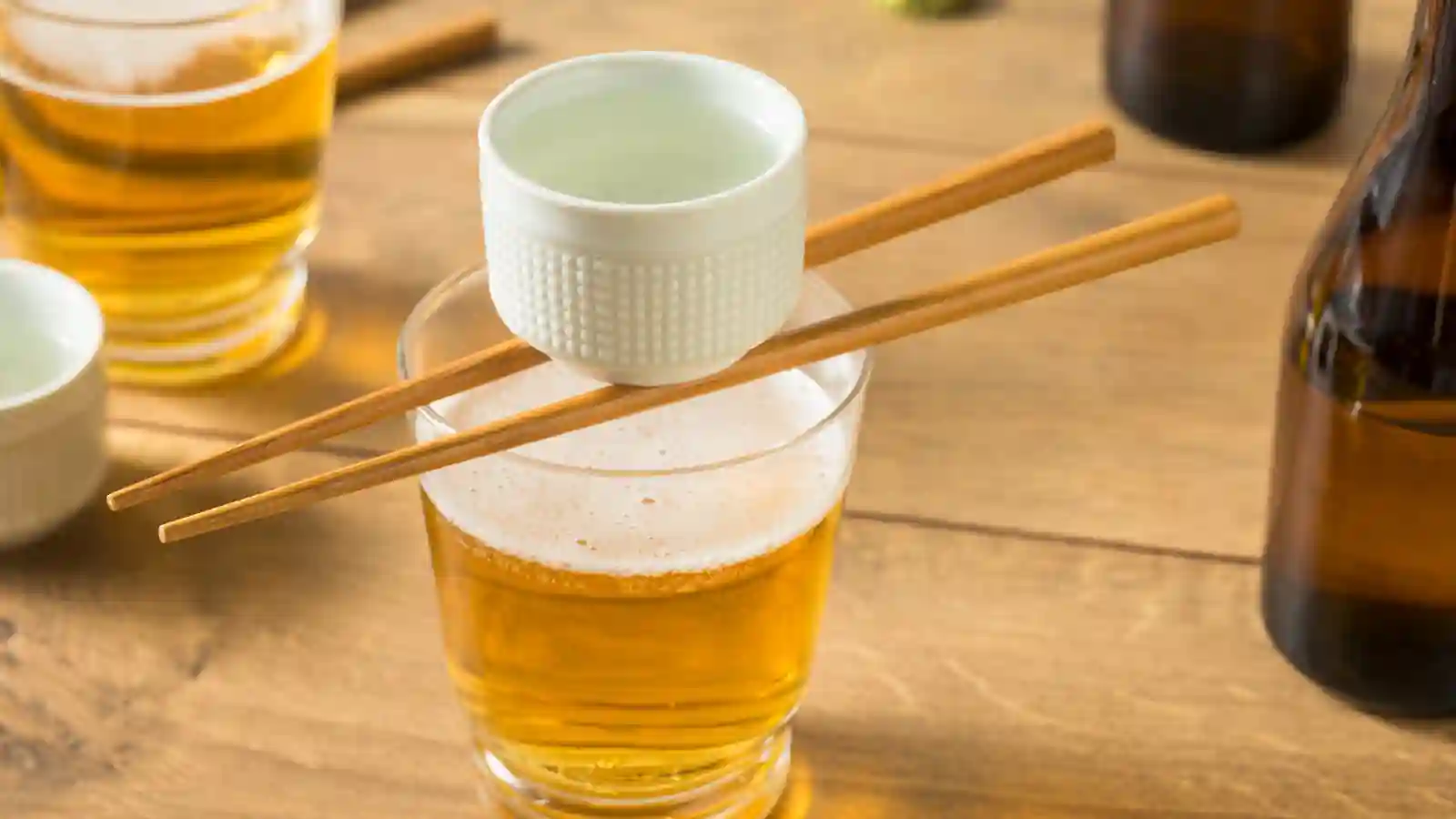
What Does a Sake Bomb Taste Like?
A sake bomb = sake + beer.
It tastes like:
-
Light beer with mild sweetness
-
Slight fruitiness
-
Smooth and easy to drink
-
Slightly warm if using hot sake
The beer reduces the alcohol sharpness, making it more drinkable.
Why Sake Tastes Different Based on Temperature
Temperature drastically changes sake’s profile.
| Temperature | Flavor | Best For |
|---|---|---|
| Chilled (40–50°F / 5–10°C) | Fruity, aromatic, smooth | Ginjo, Daiginjo |
| Room Temp | Balanced, round | Junmai, Honjozo |
| Warm (100–120°F / 40–50°C) | Rich, savory, mellow | Junmai, Honjozo, Futsushu |
| Hot (130–140°F / 55–60°C) | Bold, earthy | Lower-grade sake |
Premium sake is almost always served chilled to preserve aroma.
How to Describe the Flavor of Sake
People commonly describe sake using:
-
Smooth
-
Silky
-
Clean
-
Fruity
-
Floral
-
Rice-like
-
Mild
-
Lightly sweet
-
Balanced
-
Umami-rich
This makes sake beginner-friendly, not too harsh, bitter, or acidic.
How to Know If You’ll Like Sake
If you enjoy:
-
White wine (especially dry Riesling, Pinot Grigio)
-
Clear spirits with smooth flavor
-
Mild fruity drinks
-
Light beer
-
Dessert wines (for nigori lovers)
…you will probably enjoy sake. If you dislike strong alcohol burn or bitterness, sake is a great choice.
What Does Sake Taste Like?
Here’s the short answer:
Sake tastes smooth, clean, lightly sweet or semi-dry, with subtle fruit, rice, floral, and umami notes. Its flavor changes depending on style and temperature, ranging from crisp and fruity when cold to rich and earthy when warm.
-
Good sake = clean, smooth, aromatic
-
Bad sake = sour, dull, musty
-
Hot sake = warm, savory
-
Cold sake = crisp, fruity
-
Nigori = creamy and sweet
-
Junmai = earthy and rich
-
Sparkling sake = fizzy and refreshing
Whether you’re a beginner or exploring premium bottles, sake offers one of the most versatile and enjoyable drinking experiences in the world.