
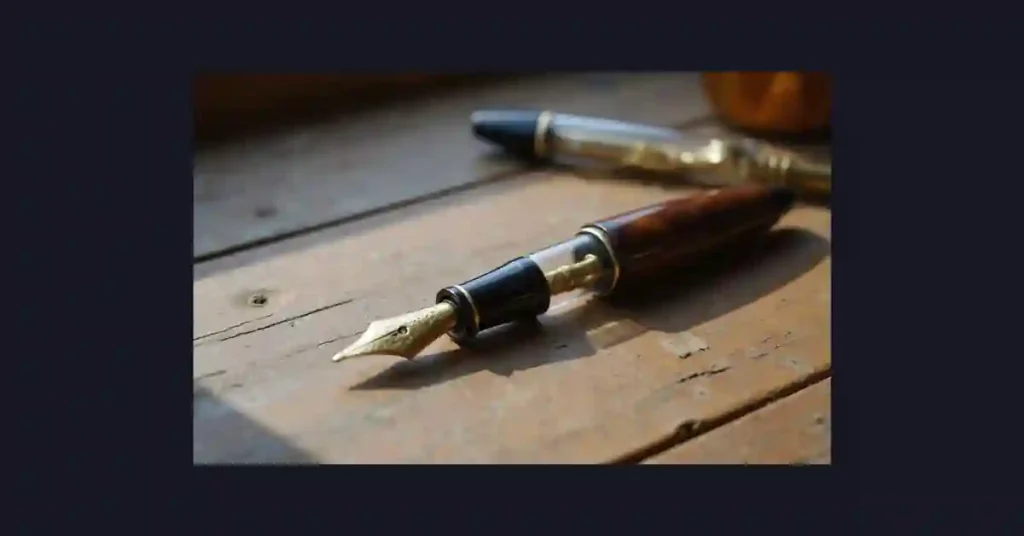
If you’re new to fountain pens or you’ve just discovered a pen with a mysterious rod at the end, you’re probably wondering: what does the plunger do in a pen?
The term “plunger” usually refers to a plunger filling mechanism, a classic and highly efficient way of drawing ink into a fountain pen without cartridges or converters. Though modern pens mostly use cartridges, converters, and piston fillers, the plunger filler (also called a vacuum filler or “plunge filler”) remains beloved by collectors, writers, and fountain pen enthusiasts for its massive ink capacity and smooth engineering. This in-depth guide explains what the plunger does, how it works, why some writers prefer it, and how to care for it, all in simple, beginner-friendly language.
What Is the Plunger in a Pen?
The plunger is a long rod inside the barrel of a fountain pen. When you pull the rod out and push it back down, it creates a vacuum pressure system that draws ink into the pen. The plunger is essentially:
-
A rod
-
Attached to a seal or gasket
-
That moves inside the barrel
-
Creating suction to pull ink into an internal reservoir
A powerful filling action that loads the pen with a large amount of ink in one stroke. This mechanism is used in:
-
Vintage Sheaffer pens
-
Pilot Custom 823
-
TWSBI Vac700R
-
Visconti vacuum-fill pens
-
Many high-capacity vacuum fountain pens
How Does a Plunger (Vacuum) Filling System Work?
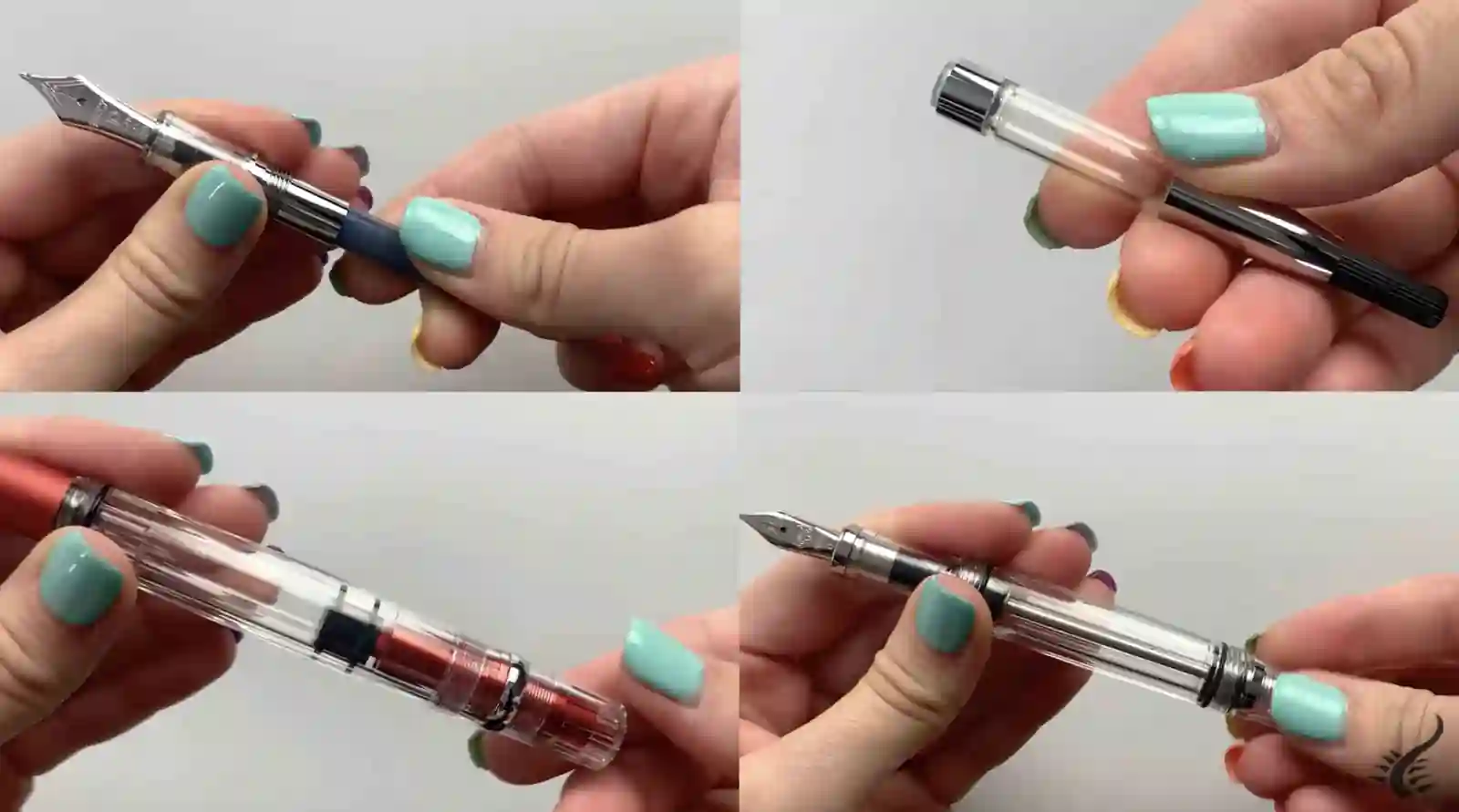
To understand what the plunger does, it helps to break down the actual mechanism. When you pull the plunger out, you fill the barrel with air. When you push it down:
-
The plunger moves forward, compressing air.
-
The air pressure builds until the gasket passes the narrow section of the barrel.
-
Suddenly, the compressed air escapes past the feed.
-
This creates a vacuum behind the plunger.
-
Ink is sucked into the barrel to fill the vacuum space.
This may sound technical, but the action is beautifully simple in practice. With one push, your pen fills with ink.
Why Writers Love the Plunger System
-
Extremely fast filling
-
Huge ink capacity (often 2–3× cartridges)
-
Satisfying mechanical feel
-
Fewer parts than a piston filler
-
Great for long writing sessions
What Does the Plunger Actually Do?
Here’s the simplest explanation: The plunger pulls ink into the pen using suction. It’s the same principle as a syringe, but with a clever twist involving vacuum pressure. When you push the plunger down, the sudden release of air creates strong suction that naturally pulls ink inside.
In practical terms:
-
You dip the nib into ink
-
Pull out the plunger
-
Push it down
-
Ink fills the barrel
That’s it, no cartridges, no converters. Understand gameplay strategies with What To Use Aetheromatic Auger On and What Is a Binary Trigger.
Plunger vs. Piston vs. Converter: What’s the Difference?
People often confuse plungers with piston fillers, but the mechanics are different.
Plunger Filler
-
Uses vacuum pressure
-
One push fills entire barrel
-
Very high ink capacity
Piston Filler
-
Uses a screw mechanism
-
Requires several twists to fill
-
Moderate capacity
Converter
-
Usually a small, removable piston
-
Holds less ink
-
Cheaper and easy to replace
The plunger is the most “powerful” ink-filling system because it loads the most ink with the least effort.
Parts of a Plunger Filling Mechanism
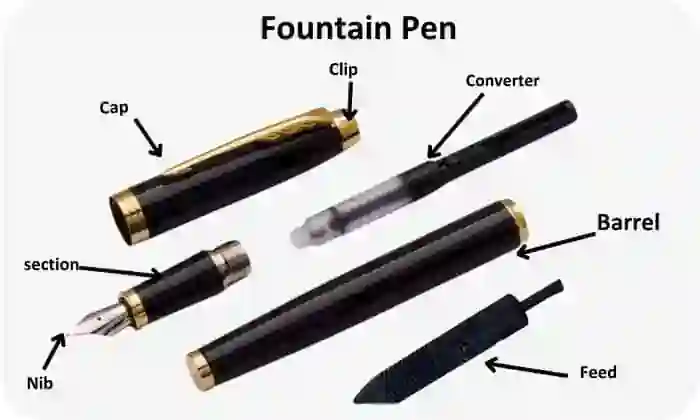
A plunger pen typically includes:
-
Plunger rod – the main rod that moves inside the pen
-
Piston head / gasket – creates the airtight seal
-
Ink chamber – the barrel that holds ink
-
Shut-off valve (on some pens) – prevents leaks during travel
-
Knob – used to pull and push the plunger
Each component plays a role in the vacuum filling action.
Why Some Pens Have a Plunger Shut-Off Valve
High-end plunger pens like the Pilot Custom 823 include a shut-off valve. This valve:
-
Keeps ink from flooding the feed
-
Prevents leakage during flights
-
Stops ink from sloshing if the pen is in your pocket
To allow ink to flow freely when writing, you usually loosen the end knob slightly so ink can move from the tank to the feed.
Common Questions People Ask About Plunger Pens
Why is my plunger hard to push or pull?
Usually because:
-
The gasket is dry
-
The pen hasn’t been cleaned
-
There’s old ink stuck inside
Solution: A small amount of silicone grease on the rod (if recommended by manufacturer) fixes this.
Why isn’t ink filling properly?
Possible causes:
-
The pen wasn’t fully submerged
-
The gasket isn’t sealing
-
There’s air trapped inside
Sometimes, performing the plunger action twice gives a better fill.
Is a plunger filler better than a piston?
Not “better”, just different. Choose plunger if you want:
- Maximum ink
- Quick fill
- Less mechanical wear
Choose piston if you want:
- Precision
- Easier maintenance
- Classic screw filling
Do plunger pens leak?
Not usually. In fact, plunger pens with shut-off valves are some of the most leak-resistant pens available.
Can beginners use plunger pens?
Absolutely. Plunger pens are very simple once you understand the mechanism.
Advantages of Plunger Filling Pens
Here’s why so many fountain pen lovers prefer plungers.
Massive Ink Capacity
One of the biggest selling points. Piston fillers may hold around 1.2 mL. A plunger filler can hold 2–3 mL or more.
Quick, One-Stroke Filling
Instead of twisting a knob repeatedly, you:
-
Pull the plunger
-
Push it
-
Done
Great for people who want speed and convenience.
Smooth Ink Flow
Because the barrel acts as one large ink tank, the flow is typically very consistent.

Durable and Simple
Fewer mechanical parts than piston-only pens. Ideal for long-term use.
Fun to Use
Let’s be honest, vacuum systems are just cool. Watching ink surge into the pen is incredibly satisfying.
Disadvantages of Plunger Filling Pens
To give a fair review, here are the downsides:
Harder to Clean
The sealed barrel makes it trickier to flush all ink out.
Requires Occasional Lubrication
The gasket/plunger rod needs silicone grease from time to time.
Limited Ink Mixing
Because of the large, sealed tank, mixing inks inside the pen is not recommended.
Some Have Shut-Off Valves
This is a pro and a con.
Great for flights, but you must remember to loosen the knob before long writing sessions.
How to Use a Plunger Pen
Here’s a simple guide:
Uncap the pen
The nib must be exposed.
Unscrew or pull the plunger knob
Different pens have different knob designs.
Submerge the nib fully into the ink bottle
At least up to the grip.
Slowly pull the plunger back
This prepares the vacuum chamber.
Push the plunger down in one firm motion
Ink is sucked into the barrel instantly.
Remove nib, wipe, and recap
Clean excess ink. Optional: Perform a second plunge for an even larger fill.
How to Maintain a Plunger Pen
Flush the pen every few weeks
Helps prevent clogging.
Use pH-neutral inks
Harsh inks can damage seals.
Lubricate the plunger rod lightly
A silicone-safe grease keeps the motion smooth.
Don’t leave ink in for months
It may stain or dry inside the barrel.
Why the Plunger System Is Making a Comeback
Modern brands now reintroduce plunger fillers because:
-
Fountain pens are trending
-
People want vintage-style mechanisms
-
Collectors appreciate engineering
-
The writing community loves large-capacity pens
-
Videos of vacuum filling look great on social media
In short, the plunger filler combines functionality, nostalgia, and pure mechanical charm.
What Does the Plunger Do in a Pen?
The plunger:
- Creates vacuum suction
- Pulls ink into the pen in one quick motion
- Allows huge ink capacity
- Helps regulate ink flow (with shut-off valves)
- Acts as the main filling system for vacuum-style pens
It’s both a filling mechanism and a pressure-control tool, making it one of the most effective systems ever created for fountain pens.
Conclusion
The plunger in a pen isn’t just a rod, it’s a clever, high-efficiency engineering solution that lets you load ink quickly, cleanly, and in large quantities. Whether you’re a beginner curious about your first vacuum filler or a seasoned writer comparing filling systems, understanding how the plunger works helps you get the most out of your pen.