Helix piercings remain one of the most popular cartilage piercings today, subtle, stylish, and endlessly customizable. But whether you’re getting pierced for the first time or upgrading your jewelry, one question always comes up: What gauge is a helix piercing when healed?
Understanding gauge size is crucial because using the wrong thickness can cause irritation, migration, or difficulty inserting jewelry. In this detailed guide, we’ll explore standard helix gauge sizes, variations, healing timelines, and recommended jewelry types, all based on industry best practices from professional piercers.
What Gauge Is a Helix Piercing When Healed?
The standard gauge for a healed helix piercing is 16G (1.2 mm).
However, some piercers may use:
-
16G (1.2 mm) → Most common & recommended
-
18G (1.0 mm) → Used by some studios but less stable for cartilage
-
14G (1.6 mm) → Less common, used for thicker jewelry or intentional stretching
Why Is 16G the Standard for Helix Piercings?
Cartilage piercings require a gauge thick enough to prevent tearing or migration.
16G provides the best balance between comfort, safety, and jewelry options.
A thinner 18G hole can be more prone to:
-
Irritation bumps
-
Jewelry pulling through
-
Long-term instability
-
Difficulty switching to thicker jewelry later
For these reasons, most professional piercers worldwide now recommend 16G.
What Gauge Is a Helix Piercing When Healed vs. When First Pierced?
Many people assume the piercing “shrinks” or “grows” over time, but here’s what actually happens:
When First Pierced
-
Most studios pierce the helix at 16G using a sterile hollow needle.
-
A few may pierce at 18G, especially if you request a daintier look.
When Fully Healed
The gauge generally remains the same as the initial piercing.
So if you were pierced at:
-
16G → your healed piercing remains 16G
-
18G → your healed piercing remains 18G
Cartilage does not stretch naturally, so the gauge stays consistent unless you intentionally stretch it.
How to Tell What Gauge Your Healed Helix Piercing Is
If you aren’t sure what gauge you were pierced with, here are simple ways to find out:
Ask Your Piercer
Most reputable studios keep client records of:
-
Gauge
-
Jewelry material
-
Placement
-
Date
This is the most accurate method.
Check Your Jewelry
If you still have the original jewelry, the gauge may be marked on:
-
The bag
-
The earring card
-
A label from the studio
Measure with Calipers
If you have a pair of digital calipers:
-
1.0 mm → 18G
-
1.2 mm → 16G
-
1.6 mm → 14G
Avoid guessing, using the wrong gauge can damage cartilage.
Can a Helix Piercing Be Stretched?
Yes, but it requires caution. Most people stretch their helix from 18G → 16G or 16G → 14G.
However:
-
Cartilage stretching is slow
-
It carries a higher risk of cracking or trauma
-
Stretching should only be done 1 gauge at a time
-
Wait several months between stretches
If done incorrectly, stretching can cause:
-
Blowouts
-
Pressure bumps
-
Permanent deformities
Always consult a professional if you want to size up.
Why Gauge Matters for Cartilage Piercings
Choosing the correct gauge affects:
Stability
A too-thin gauge can cut through cartilage under pressure.
Jewelry Fit
Some earrings require specific gauges, especially:
-
Clicker rings
-
Labret studs
-
Segment rings
-
Flat-back posts
Healing Time
Using the wrong gauge may prolong:
-
Redness
-
Swelling
-
Sensitivity
Long-Term Comfort
The right gauge minimizes long-term tenderness and bumps.
Complement your piercing research with beauty trends like What Is Builder Gel and accessory protection tips in What Is a MagSafe Case.
Helix Piercing Healing Timeline
A helix piercing is not a quick healer. Here’s what to expect:
First 4–6 Weeks
-
Swelling
-
Redness
-
Initial tenderness
You should not downsize or change the gauge yet.
3–6 Months
-
Most swelling subsides
-
Jewelry changes may be possible (same gauge only)
6–12+ Months
-
Full healing
-
You can switch to any jewelry style
-
Gauge sizing is stable
Remember: Cartilage heals from the outside in, so it may feel healed before it truly is.
Best Jewelry Types for a Healed 16G Helix Piercing
Flat-Back Labrets
The most comfortable and safest option.
Benefits:
-
Doesn’t poke the back of your ear
-
Great for sleeping
-
Secure fit
-
Ideal for stacking
Small Hoops & Clickers
Choose:
-
16G
-
6–8 mm inner diameter (most common)
Avoid super thin hoops, they irritate cartilage.
Threadless Jewelry
Push-pin style jewelry is:
-
Easy to insert
-
Secure
-
Popular for curated ear setups
Captive Bead Rings
Classic and stylish, though slightly trickier to insert.
Most Popular Styles for Healed Helix Piercings
Helix jewelry evolves every year. In 2025, top trends include:
-
Minimalist titanium studs
-
Opal gemstones
-
Dainty gold hoops
-
Curated ear stacking
-
Threadless ends with unique shapes
-
Double and triple helix sets
-
Floating crystal designs
Choosing jewelry that matches your gauge ensures a long-lasting, irritation-free piercing.
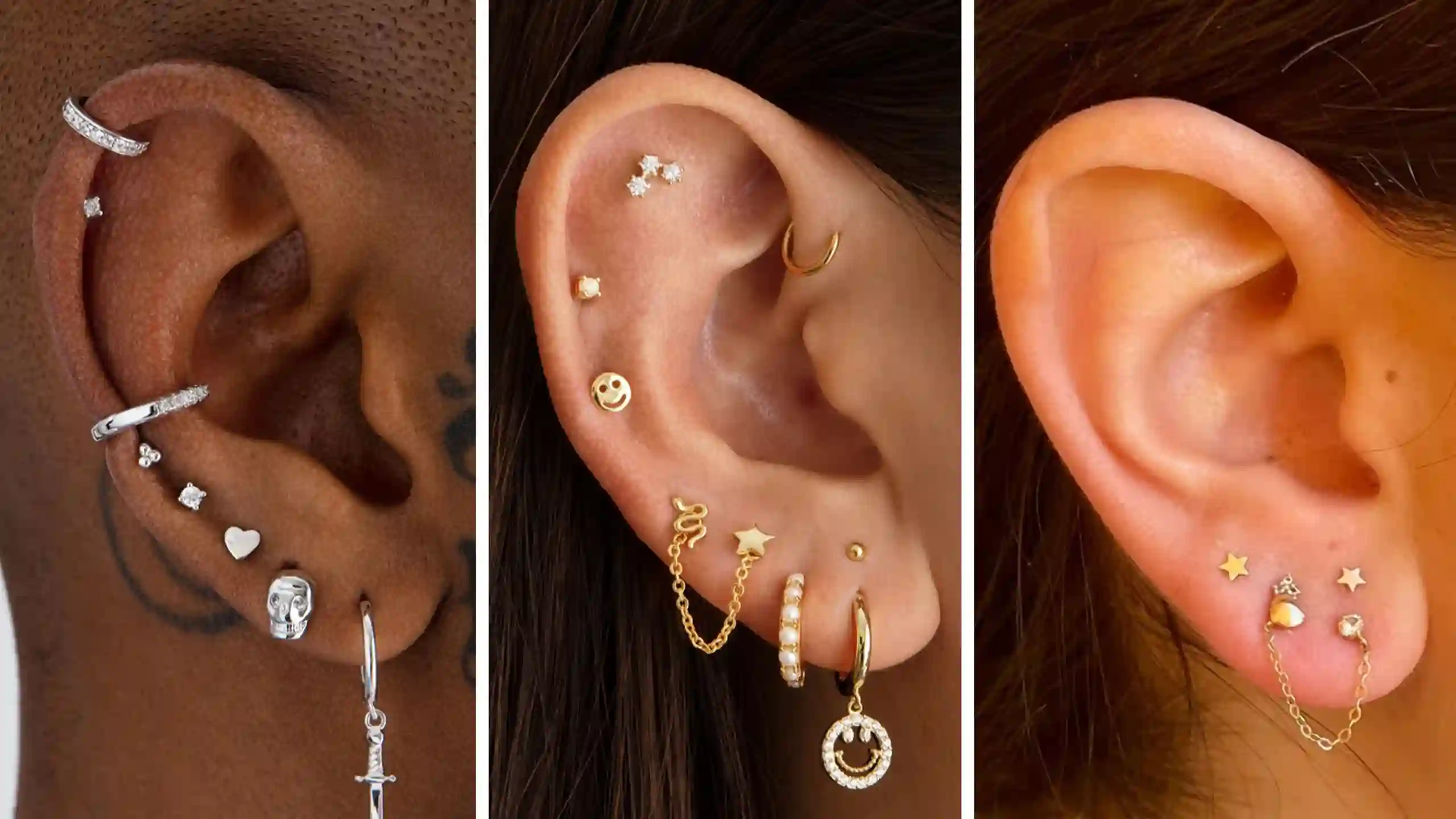
Does the Gauge Affect Pain Level?
Many people assume a thicker gauge hurts more, but:
16G vs. 18G pain
There is virtually no noticeable difference.
The needle is sharp and makes a clean cut through cartilage.
Technique matters far more than gauge.
What Gauge Should You Choose If You Haven’t Been Pierced Yet?
Choose 16G if you want:
-
Cleaner healing
-
More jewelry options
-
Better long-term stability
-
Less risk of jewelry migration
Choose 18G only if:
-
You prefer very delicate jewelry
-
Your piercer specifically recommends it
Choose 14G if:
-
You want to stretch
-
You prefer thicker, bold jewelry
Most people will be happiest with 16G.
Frequently Asked Gauge Questions
Can I put 18G jewelry in a 16G helix?
Yes, the hole is larger, so the thinner post fits.
But it may feel loose and may cause:
-
Irritation
-
Movement
-
Increased risk of bumps
Can I put 16G jewelry in an 18G helix?
No, it usually won’t fit.
Forcing thicker jewelry can tear cartilage.
Will my helix shrink if I remove jewelry?
Cartilage may shrink slightly over months, but not dramatically.
Smaller gauges shrink faster (18G shrinks more than 16G).
Best Aftercare for a New or Healed Helix Piercing
To maintain a healthy piercing:
Use:
-
Sterile saline spray
-
Titanium or implant-grade steel jewelry
-
Flat-back labrets for comfort
Avoid:
-
Alcohol or peroxide
-
Heavy earrings
-
Sleeping on the piercing
-
Twisting the jewelry
-
Swimming during initial healing
Good aftercare ensures the gauge stays stable and the piercing heals correctly.
What Gauge Is a Helix Piercing When Healed?
Here’s the quick answer:
-
Standard healed helix gauge: 16G (1.2 mm)
-
Some piercings: 18G (1.0 mm)
-
Occasional larger size: 14G (1.6 mm)
Most people, and most professional piercers, consider 16G the safest, most versatile, and best long-term choice.
Final Thoughts
Your helix gauge plays a major role in how well your piercing heals and what jewelry you can wear. Whether you’re choosing new jewelry, confirming your healed size, or exploring new helix styles, sticking with the standard 16G ensures comfort, stability, and countless jewelry possibilities. If you’re ever unsure about your gauge or need help with sizing, don’t hesitate to visit a professional piercer, experts can determine your gauge in seconds and help you choose jewelry that works best for your ear.