
Job interviews come in many forms, but one format that can be both exciting and intimidating is the group interview. If you’ve ever wondered, “What is a group interview?” or “What is a group job interview like?”, you’re not alone. Many candidates feel unsure about how to stand out when multiple applicants are assessed simultaneously. This guide covers the essentials of group interviews, how they work, strategies to succeed, and what employers look for during this process.
What Is a Group Interview?
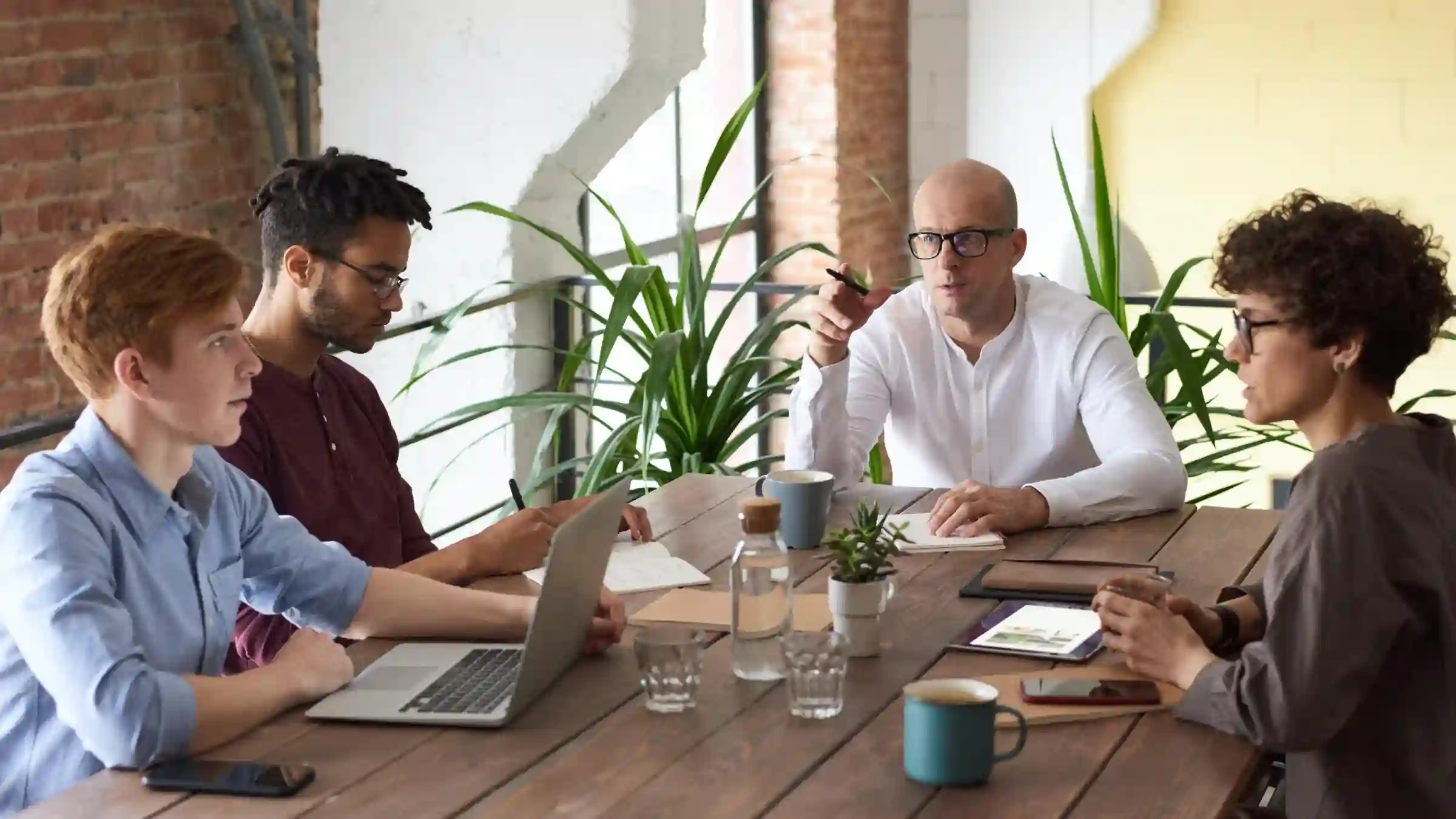
A group interview is a type of job interview where multiple candidates are evaluated at the same time. Instead of the traditional one-on-one setup, employers assess how candidates interact with others, demonstrate teamwork, and communicate ideas in a group setting.
Key Points:
-
Typically conducted with 3-10 candidates at once.
-
Can be used for positions that require collaboration, customer interaction, or leadership skills.
-
Often combined with group exercises, discussions, or presentations.
-
Can be in-person or virtual, depending on the company’s recruitment strategy.
Types of Group Interviews
Group interviews are versatile and can take many forms. Here’s an overview of the most common types:
Traditional Group Interview
-
Several candidates meet with one or more interviewers.
-
Questions are asked to the group, and candidates take turns answering.
-
Assesses communication, confidence, and problem-solving skills.
Group Assessment Interview
-
Includes tasks, exercises, or roleplays.
-
May involve problem-solving challenges or case studies.
-
Evaluates teamwork, collaboration, and leadership potential.

Panel Group Interview
-
Multiple interviewers assess one group of candidates.
-
Useful for management-level positions or large-scale hiring.
-
Allows different perspectives on candidate performance.
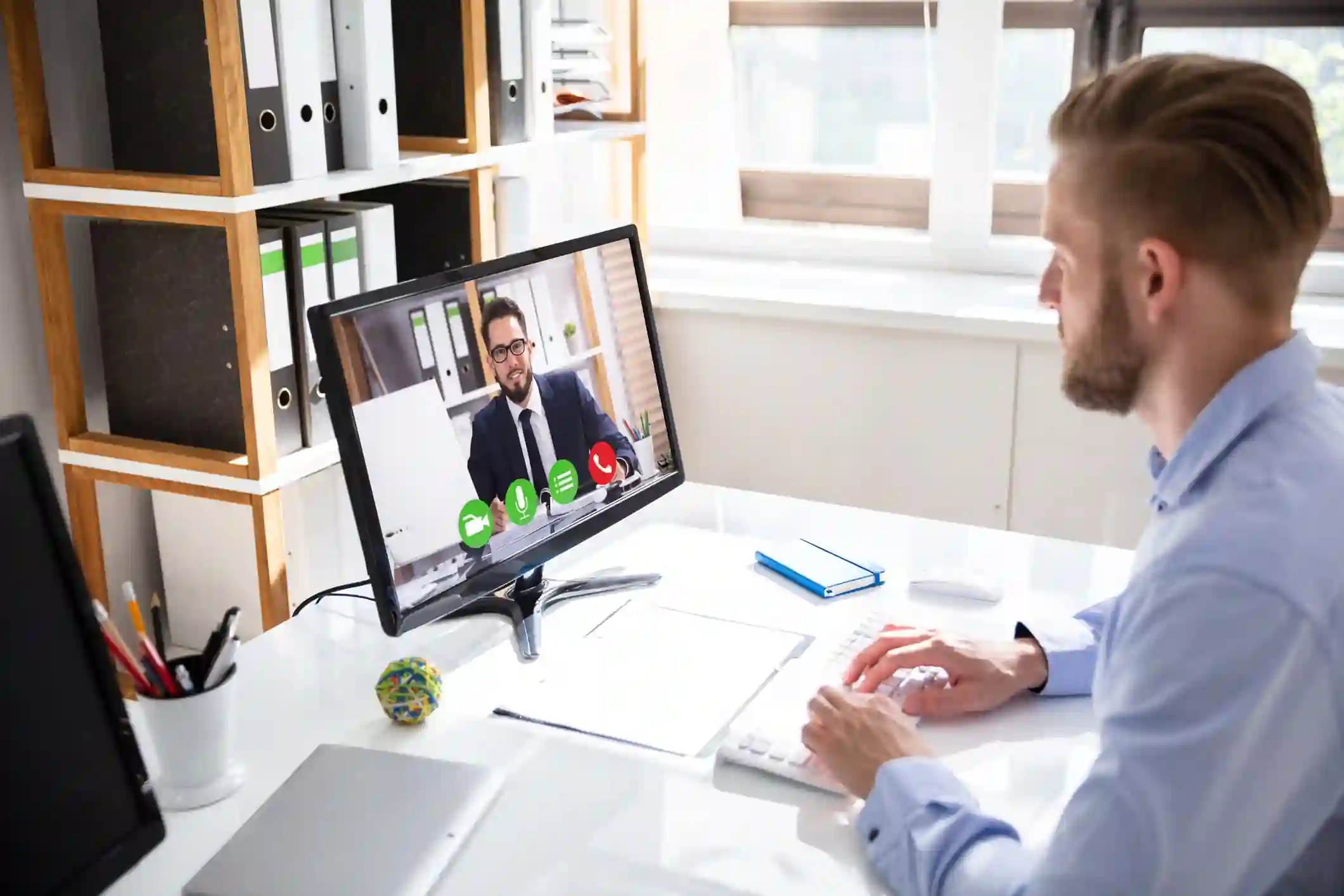
Virtual Group Interview
-
Conducted online via video conferencing platforms.
-
Candidates may participate from remote locations.
-
Similar assessments as in-person interviews but with added focus on digital communication skills.
5. Role-Specific Group Exercises
-
Candidates may simulate real-life work situations.
-
Examples include customer service scenarios, sales pitches, or collaborative projects.
What to Expect in a Group Interview
Understanding the structure and flow of a group interview helps reduce anxiety and improve performance.
Typical Stages
-
Introduction: Interviewers introduce themselves and explain the process.
-
Icebreaker Activities: Light exercises to get candidates talking.
-
Group Tasks: Collaborative problem-solving exercises or case studies.
-
Individual Questions: Each candidate answers personal or role-specific questions.
-
Observation: Interviewers watch communication, leadership, and teamwork skills.
-
Wrap-Up: Candidates may have the chance to ask questions or present final thoughts.
-
Duration: Group interviews can last anywhere from 30 minutes to several hours, depending on the company and position. Learn about What Is Bottle Service and What To Serve With Brisket for better planning.
Why Do Companies Conduct Group Interviews?
Group interviews serve multiple purposes for employers:
-
Assess Teamwork Skills: Many roles require collaboration; employers want to see how candidates function in a group.
-
Evaluate Communication: Observing how candidates articulate ideas and listen to others is crucial.
-
Identify Leaders: Employers can spot potential leaders who take initiative without dominating the discussion.
-
Save Time: Interviewing multiple candidates at once is more efficient for high-volume hiring.
-
Gauge Problem-Solving: Group tasks reveal how candidates approach challenges collectively.
How to Stand Out in a Group Interview
Succeeding in a group interview requires balance: demonstrating confidence without overshadowing others. Here are some strategies:
Prepare in Advance
-
Research the company, role, and industry.
-
Review common group interview questions.
-
Prepare examples of teamwork and leadership experiences.
Engage, Don’t Dominate
-
Contribute to discussions thoughtfully.
-
Listen actively to others and acknowledge their points.
-
Avoid interrupting or speaking over peers.
Showcase Leadership and Initiative
-
Volunteer for tasks when appropriate.
-
Help organize or summarize group findings.
-
Lead by example without appearing controlling.
Highlight Collaboration Skills
-
Work constructively with other candidates.
-
Support teammates’ ideas and build consensus.
-
Demonstrate problem-solving in a group context.
Maintain Professional Body Language
-
Sit upright, make eye contact, and smile.
-
Nod and show engagement during others’ contributions.
-
Avoid closed-off postures like crossed arms.
Communicate Clearly
-
Speak concisely and confidently.
-
Use clear examples from experience.
-
Avoid jargon unless it is industry-specific and relevant.
Common Group Interview Questions
Many questions in group interviews assess both individual competency and team dynamics
-
Describe a time you worked successfully as part of a team.
-
How do you handle conflict in a group?
-
How would you solve [specific problem] with limited resources?
-
What role do you typically take in team projects?
-
How would you handle a difficult team member?
Group Interview Examples
Retail Industry
Companies like Aldi, Burlington, or Walmart often use group interviews for entry-level positions:
-
Icebreaker: Introductions and background sharing.
-
Task: Roleplay customer service scenarios.
-
Observation: Communication, attitude, and teamwork.
Corporate or Tech Industry
-
Problem-solving exercises or case studies.
-
Collaborative presentations or project planning sessions.
-
Panel interview assessing analytical thinking and collaboration.
Virtual Group Interviews
-
Breakout rooms for smaller team exercises.
-
Online presentations or group problem-solving.
-
Evaluates digital communication skills and adaptability.
Common Mistakes to Avoid
-
Talking too much or too little: Find the balance between contribution and listening.
-
Undermining others: Avoid criticizing or dismissing peers’ ideas.
-
Failing to engage: Lack of participation can signal low interest or teamwork skills.
-
Ignoring instructions: Pay close attention to rules, time limits, and guidelines.
-
Appearing distracted: Maintain focus, even in a virtual setting.
Tips for Virtual Group Interviews
-
Test technology in advance (camera, microphone, internet).
-
Dress professionally and maintain good lighting.
-
Mute yourself when not speaking to minimize background noise.
-
Actively participate and use gestures to show engagement.
-
Be concise to give everyone a chance to speak.
What You Need to Know About Group Interviews
A group interview is more than just a job assessment, it’s an opportunity to showcase your communication, collaboration, and leadership skills in a dynamic setting. Whether in-person or virtual, understanding the format, preparing for questions, and balancing individual contribution with teamwork are essential for success.