If you’re passionate about maintaining your car’s shine or are curious about advanced protective coatings, you’ve probably heard the term ceramic coating. But what exactly is it? How does it work, and is it worth the investment? In this comprehensive guide, we’ll explore everything you need to know about ceramic coating, from cars to cookware, and why it has become a popular choice for both professionals and enthusiasts.
What Is Ceramic Coating?
Ceramic coating is a liquid polymer applied to a surface, typically car paint, that chemically bonds with the factory paint. This creates a protective layer that is durable, glossy, and resistant to environmental damage. Unlike traditional wax or sealants, ceramic coatings provide long-lasting protection and require less frequent maintenance. The coating forms a hard, glass-like layer that repels water, dirt, and contaminants.
Key Features:
-
Hydrophobic (water-repellent) surface
-
Resistance to UV rays and oxidation
-
Adds gloss and depth to paint
-
Can last several years with proper care
How Does Ceramic Coating Work?
Ceramic coatings are made primarily of silicon dioxide (SiO2), derived from silica. When applied, the liquid forms a nano-ceramic layer that bonds chemically with the car’s paint surface.
Benefits of this chemical bond:
-
Durability: Can last years compared to waxes, which last weeks.
-
Scratch resistance: Minor swirl marks are less likely to affect coated surfaces.
-
Easy cleaning: Dirt and water slide off thanks to the hydrophobic effect.
Some advanced products, like graphene ceramic coatings, offer even greater durability and heat resistance compared to traditional SiO2 coatings.
Ceramic Coating vs Traditional Wax
Ceramic coating is often compared to wax or sealants, but there are important differences:
| Feature | Ceramic Coating | Wax/Sealant |
|---|---|---|
| Durability | 2–5 years (professional) | 2–3 months |
| Protection | UV, oxidation, chemicals, light scratches | UV and minor protection |
| Gloss | Deep, long-lasting shine | Gloss fades quickly |
| Maintenance | Simple washing | Frequent reapplication |
| Cost | Higher | Lower |
While ceramic coatings cost more upfront, the long-term benefits, especially in paint protection, often outweigh wax applications.
Types of Ceramic Coating
There are several types of ceramic coatings, each suited for different needs:
Professional-Grade Ceramic Coating
-
Applied by trained professionals
-
Long-lasting (2–5 years)
-
Requires paint correction beforehand to remove scratches

DIY Ceramic Coating
-
Sold in consumer kits
-
Typically lasts 6–12 months
-
Easier application, but less durable
Graphene Ceramic Coating
-
Contains graphene particles
-
Offers superior heat and chemical resistance
-
Prevents water spotting and improves durability
Nano-Ceramic Coating
-
Uses nanotechnology for deeper paint penetration
-
Creates an ultra-smooth, glossy surface
-
Easier to maintain than traditional coatings\

What Is Ceramic Coating Used For?
Ceramic coatings are versatile and used in multiple areas:
Automotive
-
Protects paint from UV damage and oxidation
-
Repels water and dirt, making washing easier
-
Enhances gloss and depth of paint
-
Can be applied to wheels, glass, and plastic trim
Cookware
-
Non-stick ceramic coating is popular in frying pans and pots
-
Provides a healthier cooking surface without PTFE or PFOA
-
Offers easy cleaning and scratch resistance
Industrial Applications
-
Heat-resistant coatings for machinery or automotive headers
-
Anti-corrosion and chemical-resistant coatings
Ceramic Coating Application Process
Applying ceramic coating correctly is crucial for maximum effectiveness. Here’s a step-by-step overview:
Preparation
-
Wash the car thoroughly
-
Decontaminate the paint with clay bar treatment
-
Perform paint correction to remove scratches and swirl marks
Application
-
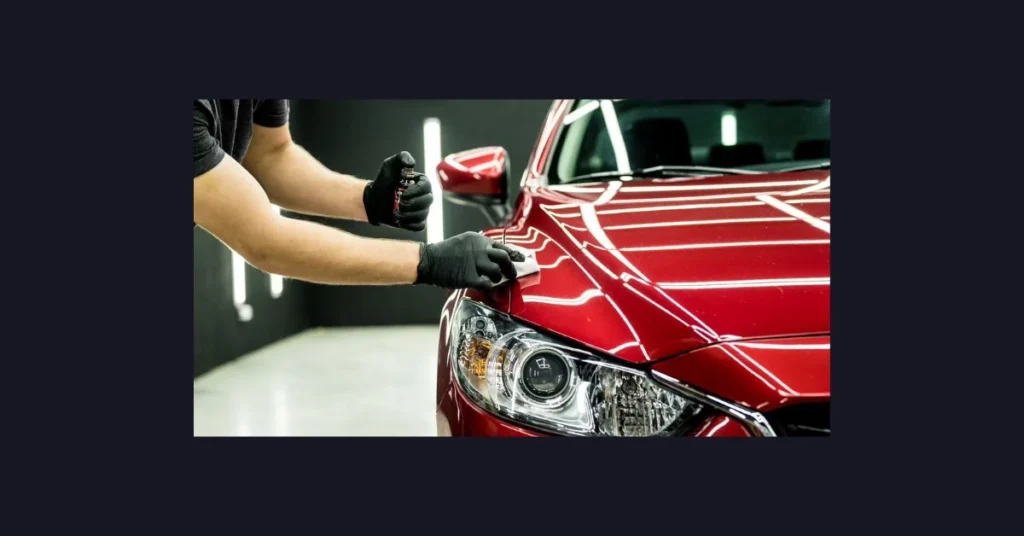
Apply a small amount of ceramic coating with an applicator pad
-
Work in small sections to avoid streaking
-
Allow the coating to bond for a few minutes
Curing
-
Buff the surface with a microfiber cloth
-
Let the coating cure for 24 to 48 hours before washing
Tip: Avoid exposure to rain or dust during curing to prevent imperfections.
How Long Does Ceramic Coating Last?
The longevity of ceramic coating depends on the type and maintenance:
-
DIY Ceramic Coating: 6–12 months
-
Professional Ceramic Coating: 2–5 years
-
Graphene Coating: Up to 7 years with proper care
Factors that affect durability include:
-
Frequency of washing
-
Exposure to harsh chemicals
-
Sunlight and UV exposure
-
Quality of the product

Maintenance of Ceramic Coated Surfaces
Maintaining ceramic coating is easier than traditional wax, but some care is required:
-
Use pH-neutral car shampoos
-
Avoid abrasive sponges or brushes
-
Regularly rinse with water to remove dirt
-
Apply ceramic spray top-coats for extended protection
Following these steps can prolong the coating’s effectiveness and keep your car looking new.
Advantages of Ceramic Coating
-
Long-lasting protection against UV, chemicals, and oxidation
-
Hydrophobic surface for easy cleaning
-
Enhances gloss and depth of paint
-
Reduces swirl marks and minor scratches
-
Can be applied to multiple surfaces including glass, wheels, and trim
Disadvantages of Ceramic Coating
While ceramic coating is popular, it’s important to be aware of drawbacks:
-
High cost compared to wax or sealants
-
Professional application is recommended for best results
-
Does not make the car scratch-proof
-
Requires proper surface preparation and maintenance
-
DIY coatings have shorter lifespan
Frequently Asked Questions
What is 9H ceramic coating?
9H refers to the hardness of the coating on the pencil hardness scale. It indicates scratch resistance but doesn’t make the surface completely scratch-proof.
Can I apply ceramic coating myself?
Yes, DIY kits are available, but professional application ensures longer durability and optimal results.
What is graphene ceramic coating?
Graphene coating contains graphene particles that enhance heat resistance, chemical resistance, and durability compared to standard SiO2 coatings.
Can ceramic coating be removed?
Yes, but it requires a polishing compound or professional removal. The bond is chemical, so it’s not easily washed off.
How is ceramic coating different from PPF or wax?
Ceramic coating bonds to paint for chemical protection, PPF provides physical protection against rocks or debris, and wax provides short-term cosmetic shine.
Ceramic Coating vs Other Protective Methods
| Protection Method | Benefits | Drawbacks |
|---|---|---|
| Ceramic Coating | Long-lasting, hydrophobic, UV protection | Expensive, needs prep |
| Paint Protection Film (PPF) | Physical scratch protection, self-healing | Expensive, less glossy |
| Wax | Low cost, easy to apply | Short lifespan, limited protection |
| Sealant | Longer than wax, moderate protection | Still shorter than ceramic coating |
Choosing the right option depends on your budget, desired gloss, and protection level.
Is Ceramic Coating Worth It?
Ceramic coating is ideal for car enthusiasts, luxury vehicles, or anyone who wants to reduce maintenance and enhance appearance.
Pros: Long-lasting protection, easier washing, UV and chemical resistance, improved gloss.
Cons: Higher upfront cost, requires preparation and maintenance.
For cookware, ceramic coating is a healthier alternative to traditional non-stick surfaces and is easy to clean. Car detailing readers also check What Is PPF on a Car and What Happens When Your Car Is Totaled but Still Drivable
Popular Ceramic Coating Products
-
CarPro Cquartz – Professional-grade SiO2 coating
-
Gtechniq Crystal Serum – Premium durability up to 5 years
-
Adam’s Ceramic Paint Coating – DIY-friendly
-
Graphene-Infused Coatings – Higher heat and chemical resistance
Conclusion
Ceramic coating is a revolutionary protective solution for cars, cookware, and industrial applications. It offers long-lasting protection, hydrophobic surfaces, and enhanced gloss that far surpass traditional waxes or sealants. While it requires proper preparation, application, and maintenance, the benefits in durability and ease of care make it worth considering for car owners and enthusiasts alike. Whether you’re looking to protect your car paint, upgrade your cookware, or explore advanced protective coatings, ceramic coating is a reliable and modern choice.