

Buying a used car can be a smart financial decision, but one of the most important factors to consider is mileage. Mileage not only affects the car’s value but also indicates potential wear and tear, maintenance needs, and longevity. In this comprehensive guide, we’ll answer what is good mileage for a used car, explain different mileage ranges, and provide tips to help you make an informed purchase.
Understanding Mileage in Used Cars
Mileage refers to the total distance a car has traveled, typically measured in miles or kilometers. It is one of the most significant indicators of a vehicle’s age and condition. While older cars naturally accumulate more miles, what matters most is how those miles were driven and maintained. Used car buyers often read What Happens When Your Car Is Totaled but Still Drivable and What Is PPF on a Car.
Key factors that influence used car mileage:
-
Age of the vehicle: Average yearly mileage is typically around 12,000 to 15,000 miles per year.
-
Driving type: Highway miles are easier on the car than city stop-and-go traffic.
-
Maintenance history: Regular oil changes, service checks, and repairs matter more than mileage alone.
-
Previous owners: Cars driven by multiple owners may have inconsistent driving patterns and maintenance.
What Is Considered Good Mileage for a Used Car?
A “good” mileage car depends on age, type, and intended use. Generally:
-
Low mileage: Less than 12,000 miles per year is considered low and desirable.
-
Average mileage: 12,000–15,000 miles per year is typical and acceptable.
-
High mileage: Over 15,000 miles per year may signal potential wear but doesn’t automatically mean a bad car.
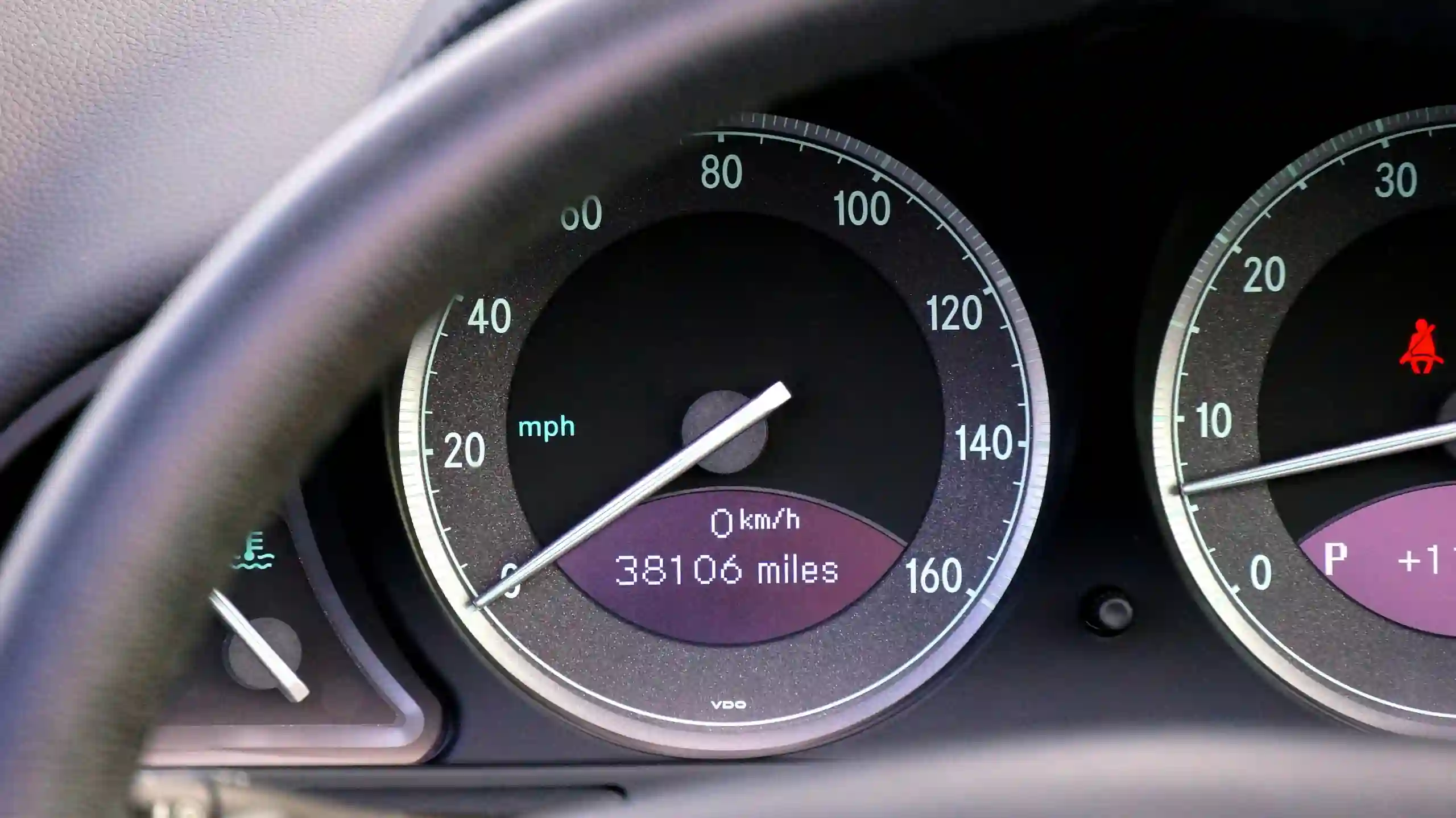
Example:
-
A 2018 car with 40,000 miles → Average mileage (~10,000 miles/year).
-
A 2015 car with 90,000 miles → Above average, but could still be reliable with proper maintenance.
Mileage by Car Age
Here’s a rough guide to what is good mileage for used cars by year:
| Year of Car | Typical Good Mileage Range |
|---|---|
| 2005 | <150,000 miles |
| 2012 | <120,000 miles |
| 2018 | <60,000 miles |
| 2019 | <50,000 miles |
| 2020 | <35,000 miles |
| 2021 | <20,000 miles |
Low Mileage vs High Mileage: Which Is Better?
Low mileage used cars often attract buyers because they:
-
Have less wear on the engine and transmission
-
Require fewer repairs
-
Maintain higher resale value
However, extremely low mileage can also indicate a car has sat unused for long periods, which may cause tire flat spots, battery issues, or engine stagnation. High mileage used cars may still be a good deal if:
-
The car has a complete maintenance history
-
It was driven mostly on highways
-
Key components like timing belts, brakes, and tires have been recently replaced
Factors That Affect Mileage Consideration
Vehicle Type
-
Sedans and hatchbacks: Often last longer with high mileage due to lighter load.
-
SUVs and trucks: Higher mileage may indicate tougher usage like hauling or off-road driving.
-
Diesel vs Gasoline: Diesel cars can typically handle higher mileage due to engine durability.
Maintenance History
Even a high-mileage car can perform like new if well-maintained. Always ask for service records, oil changes, and major repair history.
Driving Patterns
Highway miles are easier on cars than city miles, which involve frequent stop-and-go driving.
Previous Owners
Fewer owners usually means more consistent care, which can positively impact the reliability regardless of mileage.
How to Assess Used Car Mileage
When evaluating mileage, consider the following:
-
Check the odometer: Make sure it matches maintenance and registration records.
-
Look at wear and tear: High mileage should show proportional wear on tires, seats, and pedals.
-
Vehicle history report: Services like Carfax or AutoCheck reveal accidents, title issues, and service records.
-
Mechanical inspection: Even low mileage cars need an inspection to check engine, brakes, and suspension.
What Is Good Gas Mileage for a Used Car?
In addition to odometer miles, fuel efficiency is another key factor:
-
City driving: 20–30 mpg is average for sedans, 15–25 mpg for SUVs.
-
Highway driving: 25–40 mpg for sedans, 20–30 mpg for SUVs.
-
Hybrid and electric vehicles: Often exceed 40 mpg equivalent, making them ideal for long-term savings.

Mileage Considerations by Region
-
UK & Europe: Average mileage is around 10,000–12,000 miles/year.
-
Canada: Due to longer commutes and rural driving, 12,000–15,000 miles/year is typical.
-
US: National average is 12,000 miles/year, but depends heavily on city vs. rural driving.
Special Considerations for Used Electric Cars
Electric vehicles (EVs) have different considerations:
-
Mileage doesn’t degrade the same way as combustion engines.
-
Focus more on battery health, which affects range and lifespan.
-
A “good mileage” EV may still have higher miles but retain excellent performance if the battery is well-maintained.
Tips for Buying a Used Car Based on Mileage
-
Aim for low or average mileage for better longevity.
-
Review maintenance records to ensure the car was properly cared for.
-
Consider age vs. mileage ratio, sometimes a slightly higher mileage, newer car is better than an older low-mileage car.
-
Test drive to evaluate performance, mileage numbers are only part of the story.
-
Check timing belts, tires, and brakes, these often need replacement around certain mileage points.
Common Myths About Used Car Mileage
-
Myth 1: Low mileage always means a better car.
-
Reality: Maintenance and driving conditions matter more than mileage alone.
-
-
Myth 2: High mileage means trouble.
-
Reality: Many cars exceed 200,000 miles with regular maintenance.
-
-
Myth 3: Diesel cars are always better for high mileage.
-
Reality: Diesel engines are durable but may require more expensive repairs if neglected.
-
What Is Good Mileage for a Used Car?
-
Average yearly mileage: 12,000–15,000 miles.
-
Low mileage: <12,000 miles/year – often desirable but check for long idle periods.
-
High mileage: >15,000 miles/year – can still be reliable with full service history.
-
Diesel cars: Can tolerate higher mileage; check engine condition.
-
Electric cars: Focus on battery health rather than odometer numbers.
Rule of thumb: Compare age vs. mileage, inspect maintenance history, and consider vehicle type before deciding.
Frequently Asked Questions
What is good mileage for a used diesel car?
Diesel engines are more durable, so 150,000–200,000 miles can still be reliable if maintained.
Is 50,000 miles good for a used car?
Yes, for a car 3–5 years old, 50,000 miles is average to slightly low mileage.
What is considered low mileage for a used car?
Less than 12,000 miles per year is typically considered low.
Should I avoid high-mileage used cars?
Not necessarily. With full maintenance records and careful inspection, high-mileage cars can be dependable.
How does mileage affect used car resale value?
Lower mileage generally increases resale value, while higher mileage may reduce it slightly but doesn’t necessarily affect reliability.
Final Thoughts
When buying a used car, mileage is a key factor, but it’s just one piece of the puzzle. A good mileage car is one that balances age, total miles, maintenance history, and driving conditions. By understanding what mileage is considered good, how to evaluate it, and what other factors matter, you can make a smart, long-term investment in a reliable vehicle. Always remember: a well-maintained high-mileage car can outperform a low-mileage car that was neglected. Focus on service history, mechanical condition, and overall care to ensure you get the best value and longevity from your used car purchase.