

Maintaining your vehicle is about more than just filling the gas tank or changing the oil. One of the most important yet often overlooked maintenance practices is tire rotation. If you’ve ever asked, “What is tire rotation?” or wondered why it’s necessary, this guide will cover everything you need to know, including benefits, patterns, frequency, and tips to keep your tires lasting longer.
What Is Tire Rotation?
Tire rotation is the practice of moving each tire to a different position on your vehicle. The main goal is to ensure even wear across all four tires, which can improve vehicle performance, enhance safety, and extend tire life.
Every tire on a vehicle doesn’t wear the same. Front tires often wear faster because they handle steering, braking, and most of the vehicle’s weight. Rear tires may wear differently depending on whether your car is front-wheel drive, rear-wheel drive, or all-wheel drive.
In short: Tire rotation balances wear patterns to make the most of your tires.
Why Tire Rotation Is Important
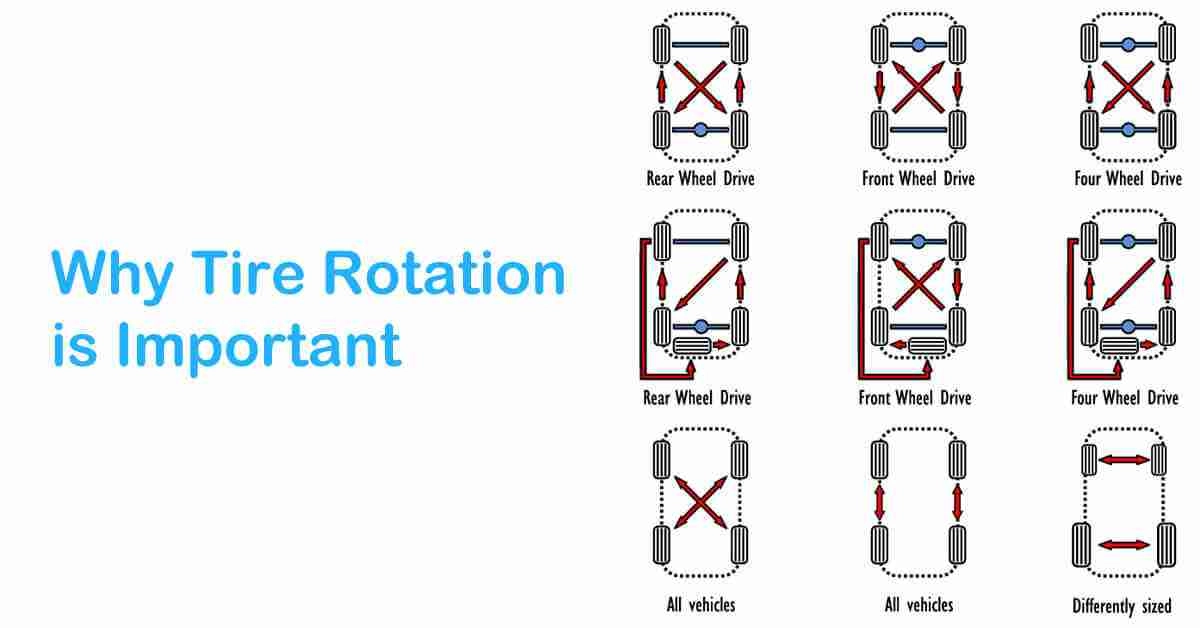
Rotating your tires isn’t just about extending tire life—it also enhances safety and performance. Here are the primary reasons it matters:
Even Tire Wear
Front and rear tires experience different levels of stress. Without rotation, your tires wear unevenly, which can affect handling, traction, and braking.
-
Front-wheel drive cars: Front tires wear faster due to steering and power delivery.
-
Rear-wheel drive cars: Rear tires take on more power stress.
-
All-wheel drive: Uneven wear can strain the drivetrain.
Cost Savings
Replacing tires is expensive. Regular rotation can save you money by preventing premature tire replacement. For example, neglecting rotation can cost nearly 40% more over the life of your tires.
Improved Performance
Evenly worn tires improve road grip, stability, and ride comfort. This is especially important in wet or icy conditions.
Safety
Unevenly worn tires can lead to skidding, hydroplaning, or reduced braking efficiency. Proper rotation ensures all tires maintain optimal traction.
Tire Rotation Patterns
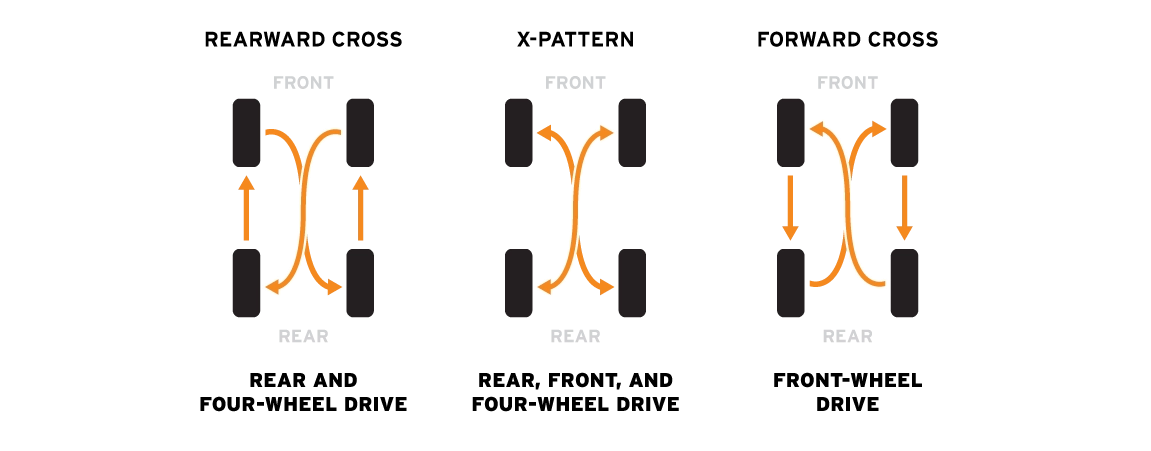
The pattern you use depends on your vehicle type, tire type, and whether your tires are directional.
Standard Patterns
-
Front-to-Rear: Swap the front tires to the rear and rear tires to the front. Simple but effective for many vehicles.
-
X-Pattern: Move each tire diagonally (front-left to rear-right, etc.) for more even wear on all tires.
-
Forward Cross (FWD vehicles): Front tires move straight to the rear, rear tires move diagonally to the front.
-
Rearward Cross (RWD vehicles): Rear tires move straight to the front, front tires cross to the rear.
Directional Tires
-
Can only rotate front-to-back on the same side of the vehicle
-
Cannot be swapped left-to-right
All-Wheel Drive (AWD) Vehicles
-
Often use an X-pattern for balanced traction
-
Uneven tread can affect AWD systems
How Often Should You Rotate Your Tires?
The frequency of tire rotation depends on your vehicle, driving habits, and tire type. Common recommendations include:
-
Every 5,000–7,000 miles (roughly every other oil change)
-
Every 6 months, if mileage is low
-
Check the owner’s manual for vehicle-specific guidance
Tip: Tires that wear unevenly may need more frequent rotation. Regularly check tread depth with a tread gauge.
What Happens If You Don’t Rotate Tires?
Neglecting tire rotation can lead to:
Uneven Wear
Tires on one axle may wear faster than the others, causing:
-
Pulling to one side
-
Vibration while driving
-
Increased road noise
Reduced Lifespan
Uneven wear reduces the total usable life of your tires, leading to premature replacement.
Safety Risks
Tires with uneven wear have less traction in rain or snow, increasing the risk of accidents.
Costly Repairs
For AWD vehicles, uneven tires can put extra strain on the drivetrain, potentially causing expensive mechanical issues.
How to Rotate Tires
Rotating tires is simple but must be done correctly. Enhance your auto maintenance knowledge through What Does Chalk on Tires Do and performance metrics explained in What Does TPMS Mean on a Car.
DIY Tire Rotation
If you’re comfortable with tools, you can rotate tires at home:
-
Tools needed: Floor jack, jack stands, lug wrench, torque wrench
-
Steps:
-
Loosen lug nuts while the car is on the ground
-
Jack up the car and secure it with stands
-
Remove tires and follow the rotation pattern for your vehicle
-
Reinstall and torque lug nuts to manufacturer specifications
-
-
Check tire pressure after rotation
Professional Service
-
Many tire shops rotate tires for $20–$50, often free if you purchased tires from them
-
Professionals ensure correct pattern, torque, and inspection of tire wear
Tire Rotation Tips
-
Always check tire pressure after rotating
-
Inspect tires for damage or uneven wear
-
Use a tread depth gauge to track wear patterns
-
Combine rotation with wheel balancing for smoother rides
Tire Rotation vs Tire Balancing vs Alignment
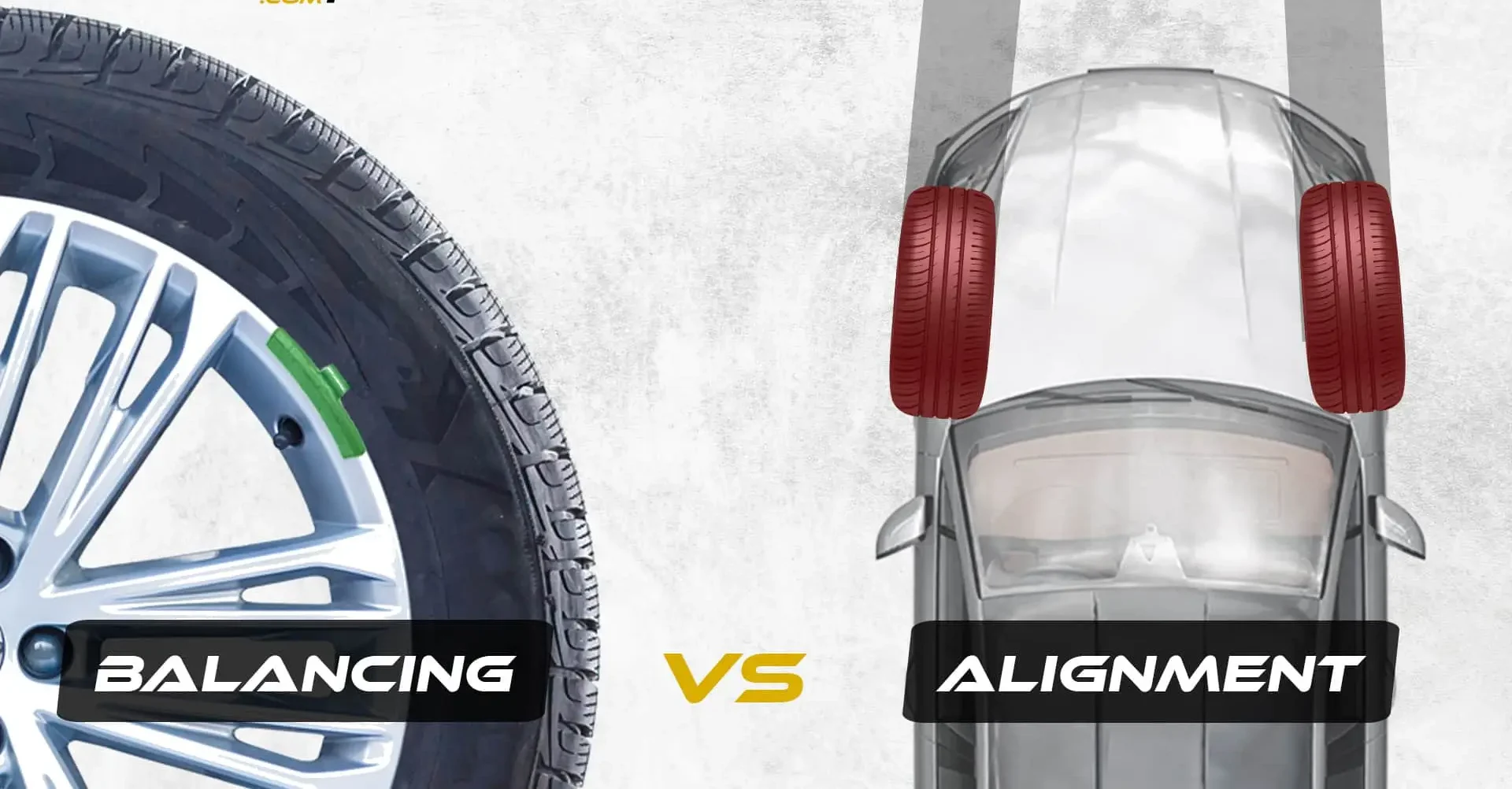
It’s important to differentiate:
-
Tire Rotation: Moves tires to different positions to promote even wear
-
Tire Balancing: Ensures weight is evenly distributed around the wheel for smooth ride
-
Wheel Alignment: Adjusts suspension angles so tires track correctly
These services complement each other for optimal performance and safety.
Common Questions About Tire Rotation
Q1: Can I rotate tires myself?
A: Yes, with the right tools and safety precautions. Always follow manufacturer guidelines for the proper rotation pattern.
Q2: Does tire rotation affect tire warranty?
A: Many tire warranties require regular rotation. Neglecting it could void the warranty.
Q3: Are all tires rotatable?
A: Most tires are, but directional and staggered-size tires require special attention.
Q4: How long does a tire rotation take?
A: Typically 15–30 minutes for a professional service, longer if done at home.
Signs You Need a Tire Rotation
-
Uneven tread wear
-
Vehicle pulling to one side
-
Vibration at high speeds
-
Noisy tires
Regular inspections help determine when rotation is due.
Cost of Tire Rotation
-
DIY: One-time investment for a jack, jack stands, and torque wrench
-
Professional: $20–$50 (often free with tire purchase)
-
Combining with wheel balancing or oil changes can save money
Conclusion
Tire rotation is a simple, cost-effective maintenance step that prolongs tire life, improves safety, and saves money. By understanding what tire rotation is, why it’s important, and how to do it properly, you can ensure your vehicle performs at its best while minimizing unexpected expenses.
Remember: rotation is not optional—it’s a key part of responsible vehicle ownership. Pair it with regular tire inspections, balancing, and alignment for a smooth and safe ride.