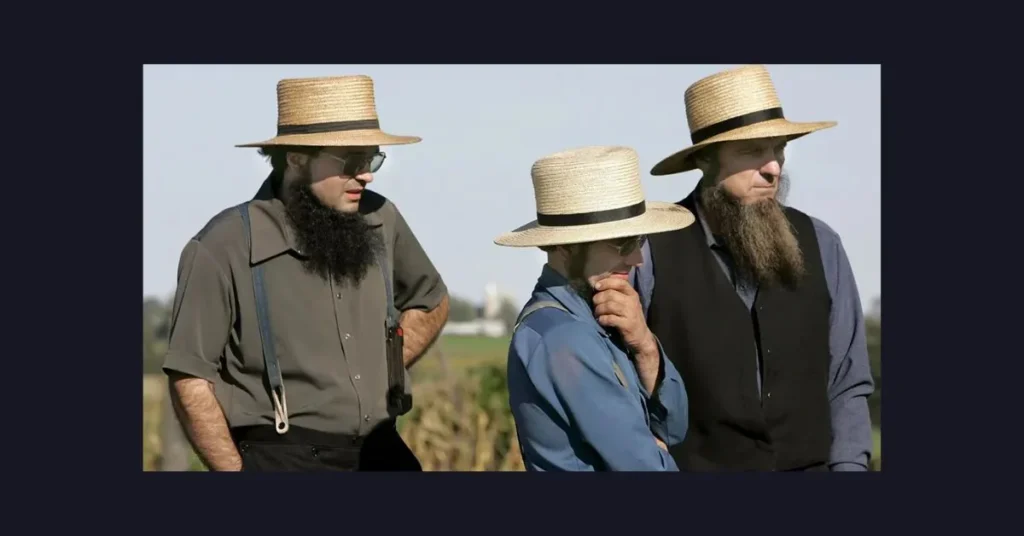
If you’ve ever visited an Amish community or watched a show featuring Amish families, you’ve probably wondered: What language do the Amish actually speak?
The answer isn’t as simple as “English.” In fact, most Amish people are trilingual, using different languages depending on the situation, community, and context. This guide breaks down exactly which languages the Amish speak, why they speak them, and how these languages help preserve their culture, with region-specific insights for Pennsylvania, Ohio, Indiana, and beyond.
What Language Do the Amish Speak?
Most Amish speak three languages:
Pennsylvania Dutch (Primary language)
A German-based dialect spoken at home and in daily life.
English (Secondary language)
Used in school, business, tourism, and communication with outsiders.
High German (Church language)
Used for religious services, hymns, and reading scripture.
But let’s go deeper, because the Amish language system is much more interesting than it looks on the surface.
What Is Pennsylvania Dutch?
One of the biggest misconceptions is that Amish people speak “Dutch,” as in the language from the Netherlands.
But Pennsylvania Dutch has nothing to do with the Netherlands.
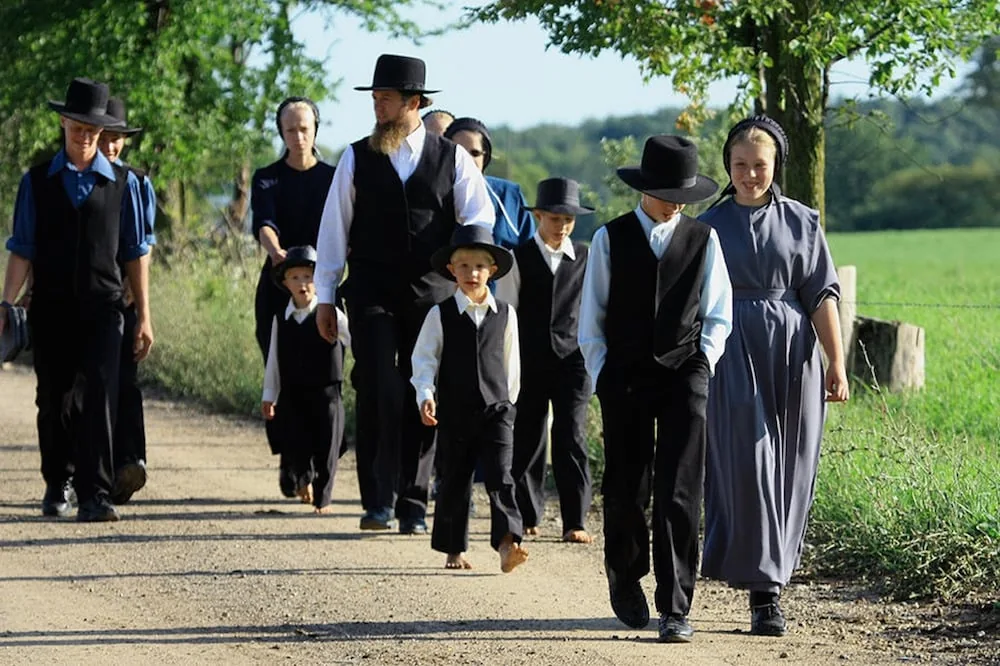
Origin
-
It comes from Southwestern German dialects spoken by immigrants who arrived in the 1700s.
-
The word “Dutch” is a historical confusion with “Deutsch,” the German word for “German.”
Who speaks it?
-
Amish
-
Old Order Mennonites
-
Some non-Amish families with Pennsylvania German heritage
What it sounds like
To German speakers, Pennsylvania Dutch sounds like a mix of:
-
Palatinate German
-
Swiss German elements
-
Some English loanwords
To English speakers, it may sound:
-
German-like but softer
-
Familiar yet foreign
-
A blend of old world and new world speech
Why the Amish Speak Pennsylvania Dutch at Home
Pennsylvania Dutch is more than just a language, it’s a cultural anchor.
Preserving Identity
It helps maintain separation from mainstream American culture, which is core to Amish beliefs.
Strengthening Community Bonds
Language reinforces their tight-knit social structure, traditions, and lifestyle.
Maintaining Tradition
Amish life is centered around continuity. The language is a direct link to their European roots.
Teaching the Next Generation
Children learn Pennsylvania Dutch as their first language, usually before they speak English.
Do All Amish Speak the Same Language?
Not exactly: Different Amish groups use different dialects.
Old Order Amish (largest group)
Speak Pennsylvania Dutch.
Swartzentruber Amish
Use an older, more traditional version of Pennsylvania Dutch.
New Order Amish
Same dialect as Old Order but might use more English socially.
Swiss Amish (in Indiana & Ohio)
These groups DO NOT speak Pennsylvania Dutch.
Instead, they speak:
-
A Swiss German dialect (Bernese German)
-
And may also mix in Alsatian elements
Their German differs so much from Pennsylvania Dutch that the two groups often cannot fully understand each other.
Why Do the Amish Speak English?
Although Pennsylvania Dutch is their heart language, the Amish also speak English, and for good reason.
Education
Amish children attend English-language schools until 8th grade. Dive deeper into cultural topics by reading What Is the Legal Drinking Age in Japan and civic procedures like What Does a Chief of Staff Do.
Business
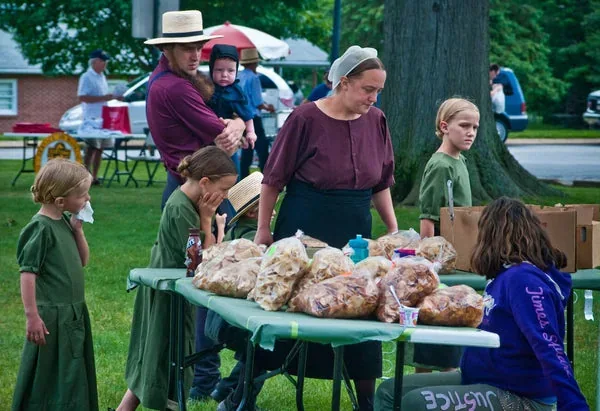
Many Amish run businesses that serve non-Amish customers:
-
Furniture shops
-
Farmers’ markets
-
Construction crews
-
Quilting shops
They must use English for commerce.
Tourism
Amish communities in Pennsylvania and Ohio see millions of visitors every year.
Communication With “The English”
Amish call outsiders “English,” regardless of ethnicity.
English is the bridge between their world and the outside.
What About High German? The Amish Church Language
High German (Hochdeutsch) is the third language Amish people use, but only in religious settings.
Used for:
-
Church sermons
-
Hymn singing
-
Bible readings
-
Important ceremonial texts
The Amish Bible (the Luther Bible) is written in High German, preserving early Protestant traditions.
What Language Do the Amish Speak in Pennsylvania?
Pennsylvania is home to the largest and most well-known Amish communities, especially Lancaster County.
Languages spoken:
-
Pennsylvania Dutch (daily life)
-
English (school & business)
-
High German (church)
This region is the birthplace of Pennsylvania Dutch culture in America.
What Language Do the Amish Speak in Ohio?
Ohio has two large Amish regions:
-
Holmes County (majority speak Pennsylvania Dutch)
-
Swiss Amish settlements (speak Swiss German dialects)
Swiss Amish communities (Adams & Wayne counties)
Speak:
-
Bernese Swiss German
-
Some Alsatian dialects
-
English as a second language
What Language Do the Amish Speak in Indiana?
Indiana Amish groups vary widely.
Elkhart & LaGrange Counties
Speak Pennsylvania Dutch.
Swiss Amish in Adams County
Speak Swiss German dialects, much different from PA Dutch.
What Language Do the Amish Speak in New York?
Amish in New York come mostly from Pennsylvania and Ohio migrations.
They speak:
-
Pennsylvania Dutch
-
English
-
High German for worship
New York does not have Swiss Amish communities, so no Swiss German dialects here.
What Language Do the Amish Speak at Home?
The answer is almost always, English is rarely spoken inside the home unless interacting with outsiders.
Do the Amish Speak English Fluently?
Yes, but it depends on age and lifestyle.
Children
-
Learn English in school
-
Learn Pennsylvania Dutch from birth
Adults
-
Usually bilingual
-
Some prefer Dutch at home
-
Those with businesses are highly fluent in English
Elderly
-
May be less fluent in English
-
Speak Dutch most of their lives
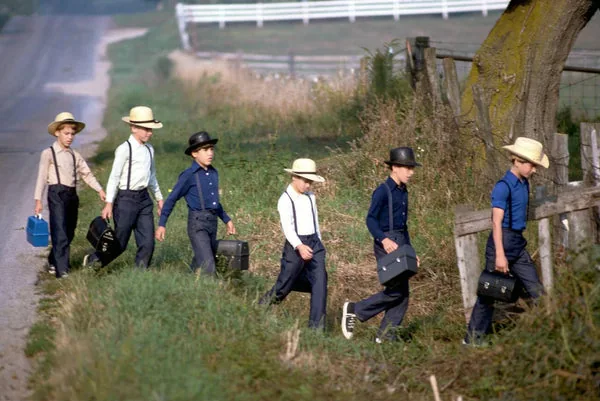
Why Do Amish Youth Switch Between Languages So Easily?
Amish children grow up bilingual from a young age.
By age 10 they are:
-
Fluent in Pennsylvania Dutch
-
Proficient in English
-
Familiar with some High German words from church
This natural bilingual environment makes switching between languages effortless.
Is Pennsylvania Dutch a Dying Language?
Surprisingly, no. It is one of the few minority languages in North America that is GROWING.
Key Reasons:
-
Large Amish families (6–8 children on average)
-
Strong cultural continuity
-
The language is essential to Amish identity
Linguists estimate that Pennsylvania Dutch speakers will double in the next 50–60 years.
Do Shows Like “Breaking Amish” Use Real Amish Language?
Shows portray the Amish speaking Pennsylvania Dutch, but often:
-
Actors are ex-Amish
-
Some scenes are rehearsed in English
-
Not all dialects are represented accurately
However, yes, when the Amish in these shows speak a foreign language, it is usually Pennsylvania Dutch.
Misconceptions About Amish Languages
Let’s clear up a few myths:
The Amish speak “pure German.”
They actually speak:
-
A German-influenced dialect (Pennsylvania Dutch)
-
High German only in church
All Amish speak the same dialect.
Swiss Amish DO NOT speak Pennsylvania Dutch.
Pennsylvania Dutch is similar to modern German.
It has changed heavily over 300 years and is quite different now.
Amish people can’t speak English.
Most Amish are bilingual; some are even trilingual.
Why The Amish Language System Works So Well
Their three-language system serves important functions:
Pennsylvania Dutch
Protect identity + build community
English
Connect with the outside world
High German
Preserve religious and cultural heritage, Each language has a purpose, and that’s why Amish language traditions have survived so long.
Final Thoughts
Asking “What language do the Amish speak?” opens the door to understanding a unique cultural world.
The short version:
-
They speak Pennsylvania Dutch at home
-
English for school and business
-
High German for church
Some groups (Swiss Amish) speak entirely different German dialects. Language is one of the most visible ways the Amish preserve their identity while still interacting with modern society. This mix of languages, old and new, is a living reminder of their deep roots and evolving traditions.