

The question, “Who is buried in Grant’s Tomb?”, is one of the most famous examples of a seemingly obvious yet endlessly repeated historical inquiry. While it may sound like a riddle or even a setup for a joke, the story behind Grant’s Tomb goes far beyond humor. It’s a monument to a pivotal figure in American history, a cultural touchstone, and a symbol of legacy and remembrance. In this article, we’ll explore the history of Grant’s Tomb, who is actually interred there, its cultural significance, and why this simple question continues to captivate the public imagination.
The Historical Background of Grant’s Tomb
Grant’s Tomb, officially known as the General Grant National Memorial, is located in Riverside Park in Manhattan, New York City. It serves as the final resting place of Ulysses S. Grant, the 18th President of the United States, and his wife, Julia Dent Grant. Completed in 1897, the monument is the largest mausoleum in North America, designed to honor Grant’s remarkable military and political career. Before it was constructed, New Yorkers and citizens across the nation raised funds and held public campaigns to ensure that this national hero received a fitting tribute. The tomb’s architecture is inspired by classical design, with imposing columns and a grand staircase leading visitors to the interior crypt. Inside, the sarcophagi of Ulysses S. Grant and Julia Grant sit in quiet dignity, reflecting both their personal legacy and the nation’s respect for their contributions.
Who Is Buried in Grant’s Tomb?
Contrary to the confusion some may have due to jokes and cultural references, the answer is straightforward: Ulysses S. Grant and his wife, Julia Dent Grant, are buried in Grant’s Tomb.
-
Ulysses S. Grant (1822–1885): Famous for his role as the leading Union general during the Civil War and later serving two terms as President of the United States.
-
Julia Dent Grant (1826–1902): Wife of Ulysses S. Grant and a prominent figure in social and civic circles, supporting her husband throughout his military and political career.
The term “buried” here can be slightly misleading. Their bodies lie entombed above ground in large sarcophagi, rather than traditional underground graves. This unique design adds to the monument’s grandeur and has contributed to the mystique surrounding the question.
Why the Question Became a Cultural Phenomenon
The question, “Who is buried in Grant’s Tomb?”, has been repeated so frequently in American culture that it has become a part of popular humor and educational discussions. There are several reasons for this:
-
Obviousness: The question’s answer is self-evident, Grant’s Tomb contains the remains of Grant himself. Its simplicity makes it an ideal “trick question” used in jokes and classroom exercises.
-
Groucho Marx Joke: The famous comedian Groucho Marx often used the question to poke fun at literal interpretations, asking, “Who is buried in Grant’s Tomb?” as a setup to humorously expose a misunderstanding.
-
Educational Tool: Teachers and quiz-makers frequently use it to challenge students to think carefully about seemingly obvious statements.
-
Public Curiosity: The grandeur of the monument and its prominent location in New York City draw visitors who may not be familiar with Ulysses S. Grant’s life, prompting genuine inquiry.
This combination of historical importance and cultural reference has ensured that the question remains well-known, often cited as a classic example of self-evident knowledge in American history.
The Monument’s Design and Significance
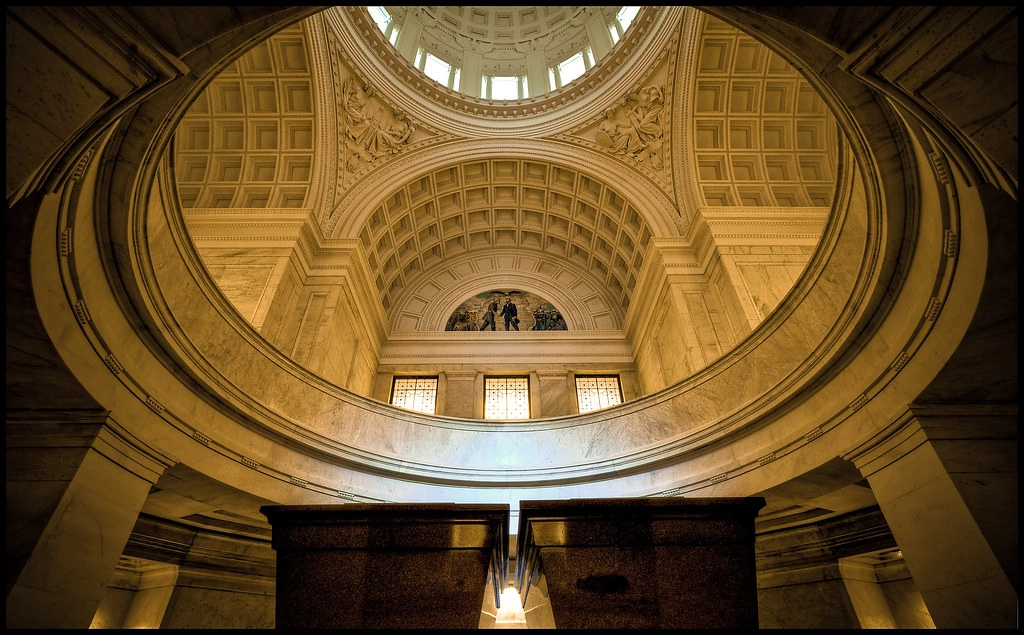
Grant’s Tomb is not just a burial site; it is an architectural statement. Its Beaux-Arts design features:
-
Imposing columns that evoke classical grandeur.
-
Granite and marble exterior, symbolizing strength and permanence.
-
Ceremonial interior with a large rotunda and high ceilings, creating a solemn atmosphere.
-
Sarcophagi of Grant and Julia prominently displayed, emphasizing their historical importance.
The tomb represents a tribute to leadership, perseverance, and the preservation of national unity, reflecting the profound impact Grant had during the Civil War and his presidency.
Cultural References and Jokes
Over time, Grant’s Tomb has entered American popular culture in humorous ways. Beyond the Groucho Marx example, the tomb’s name and the literalness of the question have inspired countless jokes, riddles, and parodies. Common themes include:
-
Misunderstanding the question as a trivia challenge.
-
Using it as a metaphor for “obvious truths.”
-
Referencing it in cartoons, television shows, and educational quizzes.
These cultural references contribute to the continued popularity of the question while also drawing attention to the historical significance of the site.
Visiting Grant’s Tomb
For those interested in history, a visit to Grant’s Tomb offers:
-
Educational Exhibits: Learn about Ulysses S. Grant’s life, his military strategies, and his presidency.
-
Guided Tours: Many tours explain the historical context of the Civil War and Grant’s contributions to the United States.
-
Photography and Architecture Appreciation: The monument’s grand design and riverside location make it an iconic New York City landmark.
-
Reflection and Memorialization: Visitors can pay respects and reflect on the enduring legacy of a leader who shaped American history.
The tomb is open to the public, free of charge, under the management of the National Park Service, ensuring that the site remains accessible to future generations.
Julia Grant: Often Overlooked
While Ulysses S. Grant receives the majority of attention, Julia Grant is also entombed with him. She played a significant role in maintaining social networks, supporting charitable causes, and hosting presidential events. Her presence in Grant’s Tomb highlights the importance of recognizing the contributions of both historical figures in shaping national memory.
Common Misconceptions
Despite the factual clarity, some misconceptions persist:
-
The Tomb is Empty: Some urban legends or jokes claim that the tomb contains nothing, which is false.
-
Only Ulysses Grant is Buried: Julia Grant is interred alongside him, making it a couple’s memorial.
-
Underground Burial: The sarcophagi are above ground, within the mausoleum.
Correcting these misconceptions is part of what makes understanding Grant’s Tomb both educational and fascinating.
Why This Question Matters Today
Beyond humor and trivia, the question “Who is buried in Grant’s Tomb?” reminds us of:
-
Historical Legacy: Preserving the memory of a president and general who played a pivotal role in American history.
-
Cultural Literacy: Recognizing the ways simple historical facts become woven into jokes, education, and media.
-
Tourism and Preservation: Maintaining national monuments as sites of learning and reflection.
-
Critical Thinking: Even simple questions encourage careful reading and thought, avoiding assumptions.
It exemplifies how history, culture, and humor intersect in ways that endure across generations.
Conclusion
To answer the question definitively: Ulysses S. Grant and his wife Julia are buried in Grant’s Tomb, officially known as the General Grant National Memorial. Beyond the joke, the tomb serves as a lasting tribute to leadership, service, and historical remembrance. Its grandeur, design, and cultural significance make it one of New York City’s most notable landmarks. The question itself, while often framed as humorous or self-evident, provides an opportunity to explore history, architecture, and cultural storytelling. For visitors, historians, and trivia enthusiasts alike, Grant’s Tomb is a place where the past is preserved, legacies are honored, and even the simplest question sparks curiosity and conversation. Next time someone asks, “Who is buried in Grant’s Tomb?”, you can confidently answer: Ulysses S. Grant and Julia Dent Grant, and appreciate the rich history behind one of America’s most famous monuments.