
If you’ve ever heard someone say they’re “drunker than Cooter Brown”, you’ve encountered one of the most colorful expressions in Southern slang. But who is Cooter Brown? Is he a real person, a fictional character, or simply a metaphor born out of folklore? This phrase has a rich cultural history, steeped in Southern storytelling, and it continues to evoke humor, exaggeration, and vivid imagery.
In this article, we’ll explore the origin, meaning, and folklore of Cooter Brown, the way the phrase has evolved over time, and why it remains a staple in American language and pop culture.
Table of Contents
ToggleThe Meaning of Cooter Brown
When someone says they are “drunker than Cooter Brown”, they are emphasizing an extreme level of intoxication—essentially, someone who has consumed more alcohol than is socially reasonable or even physically advisable. The phrase is synonymous with “drunk as a skunk” or “plastered”, but it carries a distinctly Southern flavor.
-
Drunker than Cooter Brown: Refers to someone extremely intoxicated, often beyond recognition or normal functioning.
-
Cooter Brown in slang: Used metaphorically to convey excessive drinking.
While today it is mostly used in a humorous or hyperbolic sense, the story behind Cooter Brown gives the phrase a surprisingly poignant historical context.
Origins of Cooter Brown
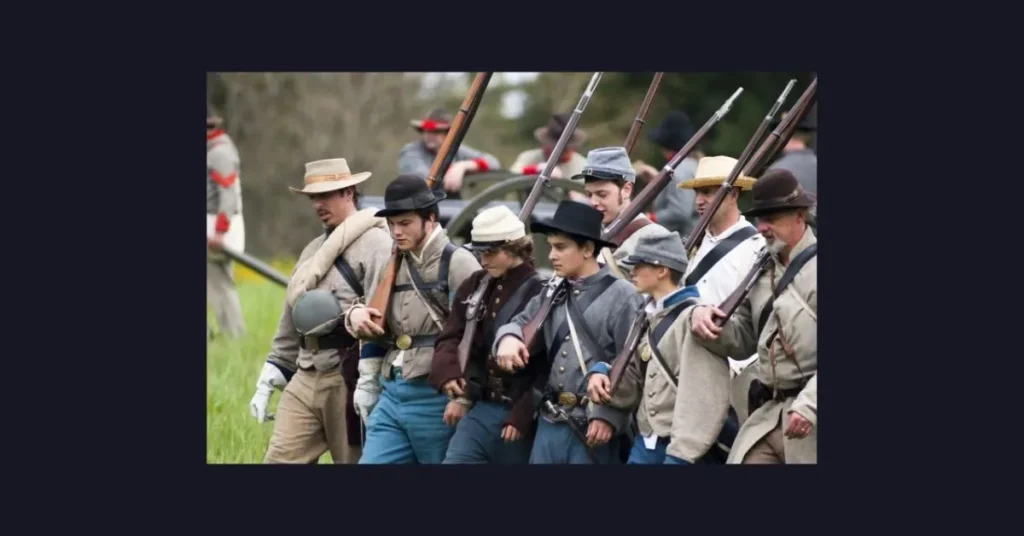
The origins of the expression are debated, as with many pieces of folklore, but the most widely accepted story dates back to the American Civil War. According to legend:
-
Cooter Brown was a man living along the Mason-Dixon line, the dividing line between the North and South.
-
To avoid being drafted into either the Union or Confederate army, Cooter Brown drank constantly so that he would always be too intoxicated to fight.
-
Because he never sobered up, he became famous, or infamous, as someone perpetually drunk.
From this story, the saying “drunker than Cooter Brown” became a way to describe someone who drank so much that nothing could sober them up, linking the phrase directly to courage, avoidance, and a touch of dark humor.
Who Was Cooter Brown Supposedly?
Folklore paints Cooter Brown as a colorful character:
-
A border-state resident: Living in an area that was torn by the conflicting loyalties of the Civil War.
-
A perpetual drinker: His goal was survival, and alcohol was his strategy to avoid conscription.
-
A man of ingenuity and humor: By appearing constantly intoxicated, he cleverly avoided the horrors of war.
Some versions of the story suggest that Cooter Brown was mixed-race or of unclear heritage, which added to his ability to navigate the dangers of a divided society. Whether real or entirely mythological, his story reflects the ingenuity, survival instincts, and storytelling culture of the American South.
Cooter Brown in Southern Slang
In the South, the phrase has become an enduring idiom, widely recognized in literature, conversation, and even media:
-
Usage in conversation: “After that bourbon, I felt drunker than Cooter Brown.”
-
In literature and film: Writers often use the phrase to give authenticity to Southern dialogue or to add humor.
-
Metaphor for excess: Beyond alcohol, some use it to describe overindulgence in food, partying, or other vices, though the original context was always drinking.
The phrase is a perfect example of how regional slang can carry both humor and historical resonance.
Historical Context and Cultural Significance
Understanding the historical backdrop of Cooter Brown adds depth to the expression:
-
Civil War survival tactics: The story reflects how ordinary people navigated the perils of wartime. Cooter Brown symbolizes cleverness, a refusal to be forced into conflict, and the extremes people might go to preserve their safety.
-
American folklore: The tale fits into the larger tradition of tall tales and colorful characters that populate Southern storytelling, alongside figures like John Henry and Pecos Bill.
-
Cultural humor: Americans have a long tradition of using hyperbole to make humor relatable and memorable. By invoking Cooter Brown, speakers instantly communicate absurdly high levels of intoxication with a wink and a nod to history.
Variations of the Expression
Over time, the expression has evolved in both language and media:
-
“Drunk as Cooter Brown”: A shortened, simpler version often used in everyday conversation.
-
Pop culture references: Films, songs, and books set in the South sometimes include nods to Cooter Brown to evoke authenticity or regional charm.
-
Regional popularity: While widely understood across the U.S., it remains especially potent in Southern states, preserving the local flavor of the phrase.
Cooter Brown in Folklore and Myth
Whether Cooter Brown was real or fictional, the folklore surrounding him has endured for generations:
-
A symbol of resistance: Using alcohol to avoid conscription or societal pressures reflects clever defiance.
-
A cautionary tale: While humorous, the story subtly warns about the dangers of excessive drinking.
-
Storytelling tradition: Oral histories and anecdotes ensured that Cooter Brown remained a memorable figure in Southern culture.
Folklore often immortalizes figures like Cooter Brown, blending truth and exaggeration into memorable lessons and expressions.
Modern Usage and Interpretation
Today, Cooter Brown is more than just a Civil War anecdote. He represents:
-
Hyperbolic humor: The phrase is used whenever someone wants to exaggerate their state of inebriation.
-
Cultural identity: Using the expression signals a connection to Southern heritage and storytelling.
-
Language evolution: It’s an example of how historical events and local characters can influence modern speech.
Interestingly, even in popular media and social conversations, people may not know the historical origin, yet the phrase “drunker than Cooter Brown” retains its punchy humor and evocative imagery. Fans of character studies may also check Who Owns Mazda A Japanese Legacy and Who Is Responsible If Someone Gets Hurt On Your Property.
Fun Facts About Cooter Brown
-
Cooter Brown is rarely depicted visually: Unlike some folkloric figures, there’s no universally recognized image of him.
-
Influence on pop culture: The phrase appears in song lyrics, comedy sketches, and movies set in Southern America.
-
Cultural resilience: Despite changing times, the expression has endured for over a century, proving the staying power of folklore.
-
Language lessons: Teachers and writers sometimes use the expression to illustrate idioms, hyperbole, and the blending of history and language.
Why the Story Resonates Today
The tale of Cooter Brown continues to resonate because it combines:
-
Humor: Exaggeration makes it memorable.
-
Historical grounding: The Civil War context adds authenticity.
-
Relatability: Nearly everyone understands the concept of being “very drunk.”
-
Storytelling charm: It fits seamlessly into the American tradition of tall tales and colorful local characters.
This combination makes Cooter Brown both a linguistic fixture and a cultural icon in Southern folklore.
Conclusion
To summarize, Cooter Brown is a folkloric figure from the American South, famous for being perpetually drunk to avoid conscription during the Civil War. While his existence may be part myth, part legend, his name has entered the American lexicon as a colorful metaphor for extreme intoxication.
-
The phrase “drunker than Cooter Brown” conveys humor, exaggeration, and historical roots.
-
Cooter Brown’s story reflects cleverness, survival, and the blending of fact and folklore.
-
Cultural relevance: Even today, the expression is used across literature, film, and casual conversation, particularly in the South.
Whether you use it to describe a wild night out, read it in a book, or hear it in a movie, invoking Cooter Brown connects us to a piece of history, storytelling, and Southern charm. Next time someone mentions they are “drunker than Cooter Brown”, you’ll know the story behind the words, and appreciate the wit and history that made it famous.