

Who Is Not a Good Candidate for Ketamine Therapy? Ketamine therapy has emerged as a promising treatment for depression, chronic pain, and certain mental health conditions. However, it is not suitable for everyone. While the therapy has helped many regain stability and relief when conventional treatments failed, it is crucial to understand who should avoid ketamine therapy and why. Making the right choice can prevent complications and ensure patient safety.
In this article, we explore the medical, psychological, and situational factors that may render someone unsuitable for ketamine treatments, providing a balanced, informative perspective for potential patients, families, and healthcare providers.
Understanding Ketamine Therapy
Originally developed as an anesthetic, ketamine has found new applications in mental health and chronic pain management. Administered in low doses via intravenous infusion, nasal spray, or oral forms, ketamine has shown efficacy in reducing symptoms of treatment-resistant depression, post-traumatic stress disorder (PTSD), and severe chronic pain conditions. The therapy works differently from traditional antidepressants. Instead of affecting serotonin or dopamine levels slowly over weeks, ketamine modulates glutamate pathways in the brain, offering rapid relief from depressive symptoms in many cases. Despite these benefits, ketamine is a potent drug, and its use requires careful screening. Not all patients are suitable, and improper use can lead to serious complications.
Who Should Not Get Ketamine Therapy?
There are specific medical, psychiatric, and behavioral conditions that may make ketamine therapy unsafe. Understanding these exclusions is critical for both patients and clinicians.
Individuals with Heart Conditions
Ketamine can temporarily increase heart rate and blood pressure. Patients with certain cardiovascular conditions should exercise caution:
-
Severe hypertension (high blood pressure): Ketamine can elevate blood pressure further, increasing the risk of stroke or heart attack.
-
History of heart attack or unstable angina: The cardiovascular stimulation from ketamine may exacerbate existing heart problems.
-
Severe arrhythmias or conduction disorders: The drug’s effect on the heart rhythm may trigger dangerous complications.
Clinicians often perform a thorough cardiac evaluation before approving ketamine therapy for patients with any heart-related issues.
People With Certain Psychiatric Conditions
Ketamine therapy is not recommended for individuals with some mental health diagnoses, especially those involving psychosis. Patients with schizophrenia, schizoaffective disorder, or a history of psychotic episodes may experience worsening symptoms after ketamine administration. Additionally, patients prone to mania or severe bipolar episodes may be at risk of triggering manic episodes, as ketamine can have stimulating effects on the central nervous system.
Those With Substance Abuse or Addiction History
Ketamine has potential for misuse and dependence, although the risk is relatively low when administered in a clinical setting. Patients with a history of substance abuse or addiction may not be ideal candidates, especially if they have struggled with hallucinogenic or dissociative drugs in the past. Clinical teams often screen for prior substance use and may recommend alternative therapies for patients at higher risk of misuse.
Individuals With Certain Medication Conflicts
Ketamine can interact with several prescription medications, making it potentially unsafe for patients taking:
-
MAO inhibitors or certain antidepressants: Risk of serotonin syndrome may increase.
-
Blood pressure medications: Combined effects could be unpredictable.
-
Other psychoactive drugs: May amplify side effects such as hallucinations, dissociation, or elevated heart rate.
Proper medical review is essential to ensure ketamine therapy does not conflict with ongoing treatments.
Pregnant or Breastfeeding Women
While research is limited, ketamine is not routinely recommended during pregnancy or breastfeeding due to potential risks to the fetus or infant. Alternative treatments are usually explored before considering ketamine therapy in these populations.

Patients With Certain Neurological or Liver Conditions
Ketamine is metabolized by the liver, so individuals with severe liver disease may face complications in processing the drug. Likewise, patients with certain neurological disorders, such as uncontrolled seizures, may require extra caution due to ketamine’s effects on the central nervous system.
The Role of Screening and Assessment
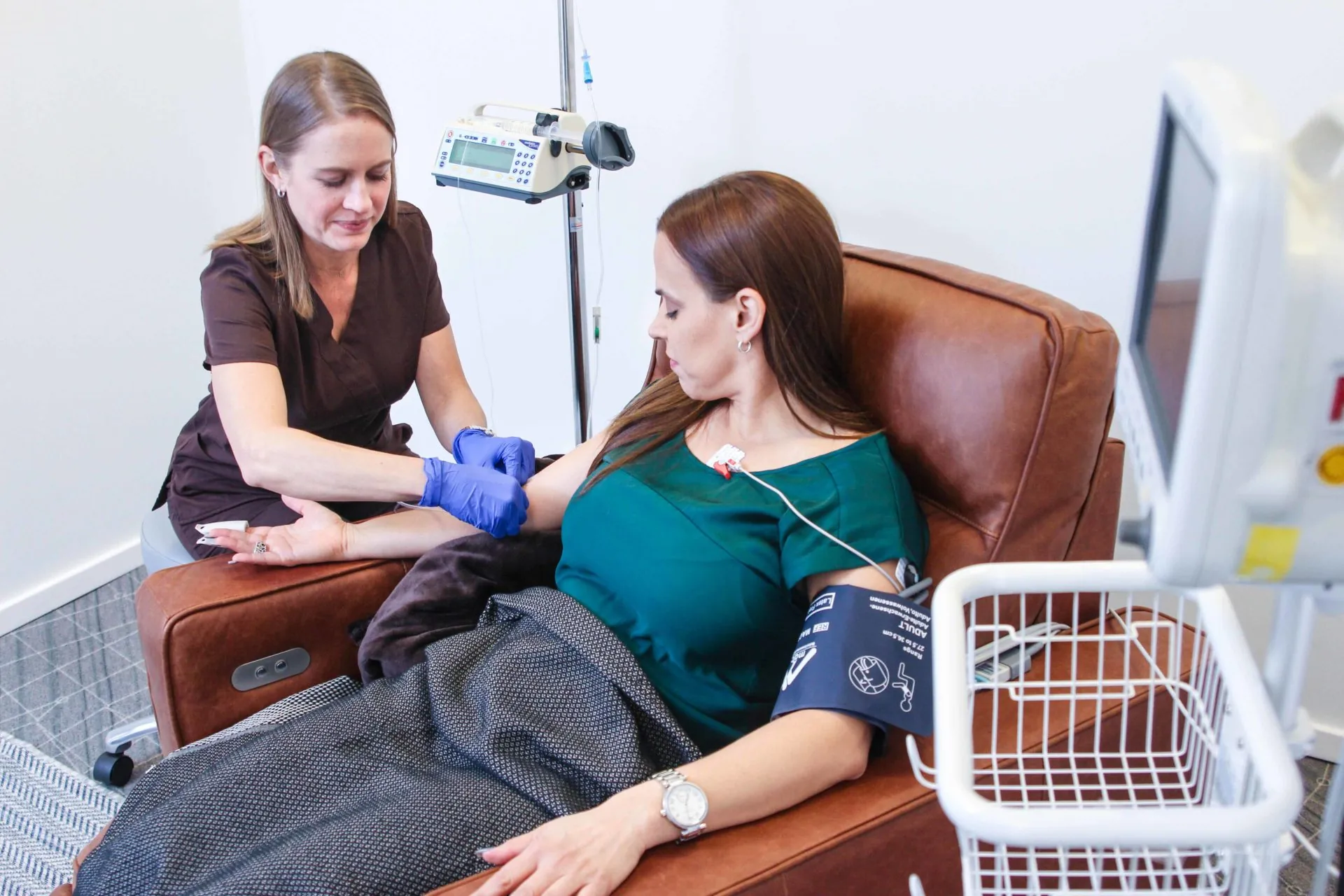
Before initiating ketamine therapy, patients typically undergo a comprehensive medical and psychiatric assessment. This screening process helps identify those who may not be good candidates and ensures safety during treatment sessions.
The assessment may include:
-
Complete medical history review
-
Cardiac evaluation (blood pressure, EKG, heart history)
-
Psychiatric evaluation for psychosis, mania, or severe anxiety
-
Substance use screening
-
Medication review for potential interactions
Through this careful screening, clinicians can distinguish between good candidates, who are likely to benefit with minimal risk, and those who should avoid ketamine therapy. Readers concerned about treatment suitability also read Who Is a Good Candidate for Ketamine Therapy and Who Is Melissa McCarthy’s Publicist
Good Candidates for Ketamine Therapy
Understanding who should avoid ketamine therapy is easier when contrasted with those who are typically good candidates:
-
Adults with treatment-resistant depression who have not responded to standard antidepressants
-
Individuals with severe anxiety or PTSD where conventional therapy has been insufficient
-
Patients with chronic pain conditions unresponsive to other interventions
-
People without significant cardiovascular risk or psychosis
By highlighting the contrast, patients can better understand whether ketamine therapy aligns with their medical and mental health profiles.
Risks and Side Effects
Even for suitable candidates, ketamine therapy carries potential side effects:
-
Dissociation and hallucinations: These are usually short-lived but can be intense.
-
Elevated blood pressure and heart rate: Typically monitored in clinical settings.
-
Nausea, dizziness, or sedation: Common but generally manageable.
-
Rare psychiatric reactions: Anxiety, agitation, or transient psychosis in sensitive individuals.
Patients who are not good candidates are at higher risk for these side effects or more severe complications.
Special Considerations
It’s important to remember that ketamine therapy is not a first-line treatment. It is usually considered when conventional approaches fail. Patients with any history of psychosis, severe heart disease, uncontrolled blood pressure, or substance abuse should explore alternative treatments first. Additionally, ongoing monitoring and follow-up are essential, even for eligible patients. The therapy is most effective when paired with counseling or other mental health support, reinforcing its benefits while mitigating risks.
The Importance of Personalized Medical Advice
While general guidelines help identify who may not be a good candidate for ketamine therapy, individual assessment is crucial. Decisions should be made in consultation with licensed medical professionals familiar with ketamine’s pharmacology and the patient’s medical history. Self-administering ketamine or pursuing treatment without professional oversight is highly dangerous, especially for those with exclusionary medical or psychiatric conditions.
Summary
In brief, ketamine therapy may not be suitable for:
-
Individuals with serious cardiovascular conditions (e.g., severe hypertension, arrhythmias, history of heart attack)
-
Patients with psychotic disorders (e.g., schizophrenia, schizoaffective disorder)
-
Those with a history of substance abuse or addiction
-
People taking conflicting medications or MAO inhibitors
-
Pregnant or breastfeeding women
-
Patients with severe liver disease or certain neurological conditions
Understanding these limitations is key to safe and effective treatment, ensuring that ketamine therapy benefits those who can safely receive it while protecting vulnerable populations from harm.
Conclusion
Ketamine therapy has revolutionized treatment options for depression and chronic pain, offering hope where traditional therapies have failed. Yet, it is not suitable for everyone. Patients with heart conditions, psychosis, substance abuse history, medication conflicts, or certain neurological and liver issues should avoid ketamine therapy or approach it with extreme caution.
Comprehensive medical screening, personalized assessment, and ongoing monitoring are critical components of safe treatment. By understanding who is not a good candidate for ketamine therapy, patients and healthcare providers can make informed decisions, maximizing benefits while minimizing risks.
If you or a loved one are considering ketamine therapy, consult a licensed medical professional to evaluate eligibility and develop a safe, effective treatment plan. Proper guidance ensures that ketamine remains a transformative therapy for those who need it most, while protecting those who are unsuitable from unnecessary risk.