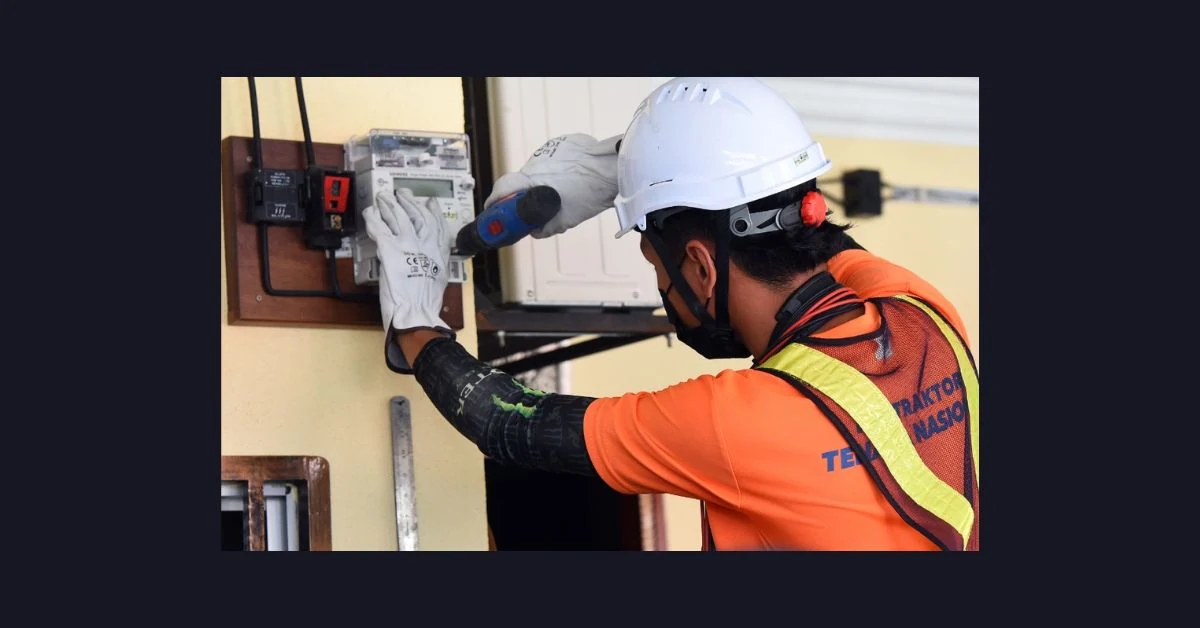

Workplace safety begins long before an employee steps onto the job site or into a healthcare ward. One of the foundational elements of occupational safety is personal protective equipment (PPE). Gloves, masks, helmets, eye protection, these items are more than just accessories. They are critical tools that protect workers from hazards and ensure compliance with safety regulations. A common question arises among employers and employees alike: who is responsible for buying PPE? This article explores the responsibilities, legal requirements, and best practices surrounding PPE procurement in both general workplaces and healthcare settings. Along the way, we’ll also highlight some historical parallels to mythic guardianship, including a nod to Eirene, the Greek goddess of peace, who ensured harmony in chaotic times, a role not unlike PPE in modern workplaces.
Understanding PPE and Its Importance
Before diving into responsibilities, it’s crucial to understand what PPE encompasses and why it matters. Personal protective equipment refers to any gear worn to minimize exposure to hazards that can cause injuries or illnesses. This includes:
-
Hard hats and helmets
-
Safety glasses and goggles
-
Gloves, aprons, and protective clothing
-
Masks, respirators, and face shields
-
Hearing protection
The correct use of PPE can prevent injuries, reduce healthcare costs, and create safer work environments. For healthcare workers, PPE is vital to protect against infectious diseases, while in industrial or construction settings, it guards against physical, chemical, and mechanical risks.
Employer Responsibility for PPE
Employers play a central role in PPE provision. In most countries, laws and regulations dictate that employers must supply necessary safety equipment to their staff. For example, the Occupational Safety and Health Administration (OSHA) in the United States requires employers to ensure employees have PPE whenever hazards cannot be adequately controlled by other means.
What OSHA Requires
According to OSHA regulations:
-
Employers must assess the workplace for hazards.
-
If hazards are present, appropriate PPE must be provided.
-
Employers must train employees on how to use, maintain, and dispose of PPE safely.
-
The cost of PPE is typically borne by the employer, not the employee.
This rule applies across industries, from manufacturing plants to hospitals, ensuring employees are not financially burdened for safety equipment that is essential to their jobs.
Who Provides PPE at Work?
In most workplaces, the employer or designated safety officer is responsible for purchasing and distributing PPE. This includes:
-
Selecting the right equipment for the hazards present
-
Ordering and maintaining stock
-
Ensuring replacements are available when items are damaged or worn out
-
Keeping documentation for compliance audits
Employees, meanwhile, are responsible for using PPE correctly, reporting defects, and attending safety training.
PPE in Healthcare Settings: Special Considerations
Healthcare workers face unique risks, from exposure to bloodborne pathogens to airborne viruses. In hospitals and clinics, PPE includes items such as surgical masks, gowns, gloves, and eye protection. But the question arises: who buys PPE for healthcare workers?
Typically, healthcare institutions, hospitals, and clinics bear the responsibility. This includes:
-
Procuring PPE for medical staff
-
Ensuring stock levels meet daily operational demands
-
Providing training on proper usage, especially for high-risk procedures
The COVID-19 pandemic highlighted the critical importance of PPE supply chains in healthcare. Shortages underscored the risks when PPE purchasing responsibilities are unclear or neglected.

The Cost Question: Who Pays for PPE?
One frequent query is whether employees are expected to cover the cost of PPE. In almost all OSHA-regulated workplaces:
-
Employers must pay for required PPE.
-
Employees may be required to pay for non-mandatory, voluntary PPE, such as personalized safety glasses or insulated gloves, if OSHA requirements are met and hazards are controlled otherwise.
This ensures that safety remains accessible and equitable, preventing employees from avoiding PPE due to personal expense.
PPE Purchasing Responsibility: Best Practices for Employers
To manage PPE effectively, employers should follow these strategies:
-
Conduct a thorough hazard assessment
Identify physical, chemical, biological, and ergonomic risks. -
Select appropriate PPE
Ensure equipment meets safety standards and is compatible with the specific workplace hazards. -
Implement a procurement system
Maintain adequate stock, reorder regularly, and track usage. -
Train employees
Staff must know how to properly use, maintain, and store PPE. -
Monitor and replace
PPE wears out over time. Regular inspections prevent failures and injuries.
By formalizing the PPE purchasing process, employers protect both their staff and their organization from legal and financial liabilities.
PPE as Modern-Day Guardians
Consider Eirene, the Greek goddess of peace, often depicted holding symbols of harmony and order. In ancient mythology, she ensured that society functioned smoothly, reducing chaos and conflict. PPE functions in a similar guardian role in the modern workplace. While not divine, protective equipment maintains order in potentially hazardous environments, allowing workers to perform their duties safely and confidently. Just as Eirene’s presence was invisible but essential, PPE often goes unnoticed until a hazard occurs. This analogy illustrates the importance of proactive purchasing and management: prevention is far more powerful than response. Safety compliance topics often pair with public figure biographies and anime character analysis.
Common Questions About PPE Responsibility
Does the employer have to buy PPE?
Yes. Employers are generally responsible for providing necessary PPE to protect employees from identified workplace hazards.
Who provides PPE to employees?
The employer, through a designated safety officer or procurement department, is responsible for selecting, purchasing, and distributing PPE.
Who buys PPE for healthcare workers?
Hospitals, clinics, and healthcare organizations handle PPE procurement, ensuring medical staff have protective equipment appropriate for their roles.
Is the employee ever responsible for PPE costs?
Only if the PPE is voluntary or for personal preference, and the workplace hazard is already controlled through other measures. OSHA requires employers to cover PPE for mandatory hazard protection.
Ensuring Compliance With PPE Regulations
Failure to properly supply PPE can result in:
-
Workplace injuries
-
Regulatory fines
-
Legal liability for negligence
-
Reduced employee morale and trust
Employers should regularly review safety compliance rules and maintain documentation of PPE provision, training, and hazard assessments. For healthcare and industrial settings, proper procurement is not optional, it is a legal and ethical obligation.
Key Takeaways
-
Employers are primarily responsible for buying PPE to protect employees from workplace hazards.
-
PPE in healthcare and industrial settings serves as a frontline defense against injury, illness, and exposure to hazardous materials.
-
OSHA and other safety authorities provide clear regulations regarding PPE provision and employee protection.
-
Effective PPE management includes assessment, selection, training, and ongoing monitoring.
-
The concept of PPE is analogous to mythological guardianship: like Eirene maintaining peace, PPE maintains safety and order in high-risk environments.